
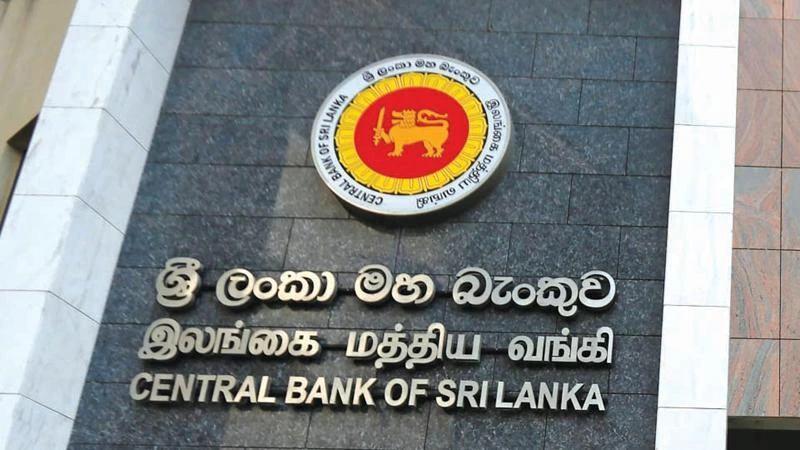
The CBSL Financial Statements 2025 paint a picture of solid balance sheet expansion and improved equity for the Central Bank of Sri Lanka, even as net profit moderated from the previous year. Released under the new Central Bank of Sri Lanka Act, the report highlights how the institution navigated lower revaluation gains while building resilience through higher foreign currency holdings and government securities.
Robust Growth in Total Assets
Total assets stood at Rs. 4,298.5 billion as at 31 December 2025, marking a healthy 10.9% increase (Rs. 422.4 billion) from 2024. This expansion was driven primarily by foreign currency financial assets, which rose to Rs. 2,337.1 billion. Key components included cash and cash equivalents at Rs. 1,118.0 billion and securities at fair value through other comprehensive income reaching Rs. 876.0 billion. Domestic assets also contributed, with Sri Lanka Government securities climbing to Rs. 1,834.9 billion.
This asset growth reflects the CBSL’s active role in rebuilding external buffers and supporting monetary operations in a stabilizing economy. Non-financial assets, including property, plant, and equipment, added further stability at around Rs. 59.4–60.1 billion.
Also in Explained | What Does Sri Lanka Personal Income Tax Update Mean for Employees and Businesses in 2026/27?
Liabilities and Currency in Circulation Trends
On the liabilities side, total liabilities reached approximately Rs. 3,703.1 billion, up modestly. Currency in circulation grew noticeably to Rs. 1,568.9 billion, signaling continued public demand for cash even as digital payments advanced. Foreign currency liabilities declined in certain areas, helping manage overall risk exposure.
Local currency liabilities saw increases in deposits from banks and other entities, while securities sold under repurchase agreements adjusted according to liquidity conditions. The balance sheet remained well-managed, with no indication of excessive leverage.
Equity Surge Signals Stronger Capital Position
One of the most encouraging aspects in the CBSL Financial Statements 2025 is the sharp improvement in equity. Total equity rose significantly to around Rs. 595.3–595.4 billion, an increase of roughly Rs. 287 billion from 2024. This was fueled by the year’s net profit, fair value gains on securities (notably Treasury bonds benefiting from lower yields), and actuarial/statutory adjustments.
Retained earnings turned positive, moving from a negative position in prior periods to Rs. 51.1 billion. Paid-up capital remained at Rs. 50 billion, while other reserves, including market revaluation and net fair value gains on FVOCI securities, expanded substantially. Assets exceeded monetary liabilities and paid-up capital by a comfortable margin, confirming no immediate capital restoration needs under the Act.
Income Statement: Profit of Rs. 193.1 Bn Amid Moderating Gains
The Income Statement shows a net profit of Rs. 193.1 billion for 2025, down from Rs. 274.8 billion in 2024. The decline stemmed mainly from reduced net income from both foreign and local currency financial assets, including lower foreign exchange revaluation gains and market operation gains.
Interest income from foreign currency assets increased modestly, while local currency interest income remained a major contributor at around Rs. 199.8 billion. Operating expenses were contained, with personnel and administration costs carefully managed. Unrealized revaluation gains on securities were directed to other comprehensive income (OCI) rather than profit, in line with accounting standards and Section 95(2) of the CBSL Act.
Despite the lower bottom line, the profit level remains substantial and supports the CBSL’s mandate for price and financial stability over pure profitability.
Profit Distribution and Transfer to Consolidated Fund
After necessary adjustments for unrealized items and reserve requirements (including maintaining a minimum 6% general reserve relative to monetary liabilities), a portion of profits approximately Rs. 44.9 billion was available for distribution. Ultimately, around Rs. 41.9 billion was transferred to the Consolidated Fund after settling specific government obligations in rupee terms, as per Section 96 of the Act. Additional transfers were made to special reserves and sinking funds (e.g., RTGS sinking fund).
This mechanism ensures the Central Bank contributes to national finances while preserving operational independence and buffer strength.
Risk Management and Forward Outlook from CBSL Financial Statements 202
The statements emphasize disciplined risk oversight through the Balance Sheet Risk Assessment Framework, stress testing, and management of credit, market, liquidity, and foreign exchange risks. Expected credit losses (ECL) were assessed as manageable across portfolios, with government securities impairment deemed immaterial.
Gold holdings contributed positively to non-financial assets, and derivative instruments helped hedge exposures. Overall, the CBSL Financial Statements 2025 underscore a stronger, more resilient institution better positioned to support Sri Lanka’s economic recovery.
Business leaders and investors can take confidence from the expanded asset base and fortified equity, which provide greater capacity for effective monetary policy and reserve management in the years ahead. As Sri Lanka continues its post-crisis journey, these financials reflect prudent stewardship aligned with the Flexible Inflation Targeting framework and institutional reforms.
The report sets a positive tone for 2026, with emphasis on digital enhancements, governance improvements, and sustained macroeconomic stability.
Also in Explained | How Is Sri Lanka Driving Industrial Recovery and Transformation in 2026?