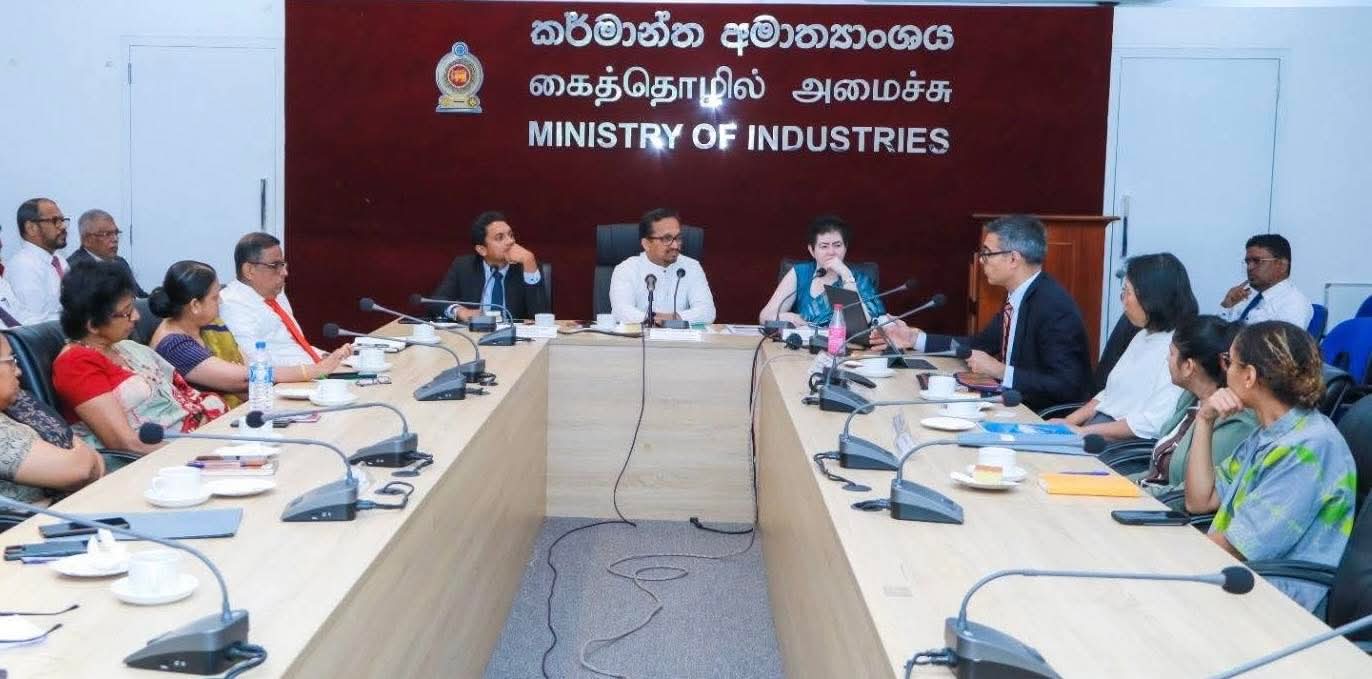
Sri Lanka industrial recovery continues to build positive momentum through coordinated policy reforms, enhanced financing access, and strategic initiatives led by the Ministry of Industries and Entrepreneurship Development. The Q1 2026 progress report titled “Driving Industrial Recovery and Transformation” outlines tangible advancements in modernizing the industrial landscape, expanding support for small and medium enterprises (SMEs), and fostering private sector-led growth. Deputy Minister Chathuranga Abeysinghe has highlighted these developments, emphasizing the shift toward a more resilient, innovative, and competitive manufacturing sector.
Also in Explained | What Does Sri Lanka Personal Income Tax Update Mean for Employees and Businesses in 2026/27?
The Q1 2026 Progress Report: Key Highlights from the Ministry
The Ministry’s Q1 2026 progress report details focused efforts across policy and regulatory modernization, improved financing mechanisms, industrial recovery measures, and strengthened international collaboration. Key achievements include the advancement of a comprehensive policy and regulatory framework aimed at creating an enabling environment for industrial transformation. Significant progress was also recorded in SME financing, with streamlined processes enabling faster and more inclusive access to capital. These steps reflect a structured approach to addressing longstanding challenges while capitalizing on emerging opportunities for sustainable growth.
Sri Lanka’s Industrial Sector Performance in Recent Years
Sri Lanka’s economy recorded a 5.0 percent growth rate in 2025, according to official estimates from the Department of Census and Statistics. The industrial sector led this expansion with the highest growth rate of 7.8 percent among major economic activities. Industry contributed approximately 25.4 percent to GDP at current prices, underscoring its critical role in national economic performance alongside services and agriculture.
Export performance provided further support to industrial recovery. Total exports reached encouraging levels in 2025, with apparel exports crossing the US$ 5 billion mark for the first time, recording approximately US$ 5.02 billion and reflecting steady demand in key international markets. This milestone highlights the sector’s resilience and capacity to contribute meaningfully to foreign exchange earnings.
Policy Reforms and Institutional Developments
The new policy architecture focuses on streamlining regulations, enhancing institutional coordination, and promoting innovation and productivity across manufacturing sub-sectors. Initiatives include the advancement of frameworks such as the National SME Policy and preparations for bodies like the proposed Industry Transformation and Innovation Authority. These measures aim to facilitate technological upgrading, improve supply chain efficiency, and support diversification into higher-value products.
Financing access has been a priority area, with government-backed programs simplifying loan processes and expanding credit availability for SMEs. Targeted infrastructure improvements and public-private partnerships are also being pursued to reduce operational bottlenecks and encourage investment in modern production capabilities.
Challenges and Opportunities in Industrial Transformation
Despite positive momentum, the industrial sector faces ongoing challenges, including fluctuations in global demand, the need for greater value addition, and adaptation to international sustainability and compliance standards. Traditional strengths such as apparel and textiles continue to play a vital role, yet broader diversification into areas like electronics, electrical components, and value-added manufacturing remains essential for balanced and resilient growth.
Sri Lanka’s strategic geographic location, skilled workforce, and improving business environment present clear opportunities. By strengthening backward linkages, investing in sustainable practices, and deepening trade relationships, the sector can capture higher margins and reduce vulnerability to external shocks. The emphasis on private sector leadership encourages active collaboration between government institutions, industry associations, and enterprises.
Strategies for Sustained Industrial Growth
Sustained progress depends on several practical priorities: expanding affordable financing for technology adoption and capacity building, advancing skills development aligned with industry needs, and promoting compliance with global standards to unlock new markets. Digitalization, efficient infrastructure, and targeted export promotion strategies can further enhance competitiveness.
Businesses that focus on innovation, quality improvement, and responsible production practices are well-positioned to benefit from the evolving policy environment. Continued simplification of regulatory processes and evidence-based support mechanisms will help accelerate implementation and deliver measurable outcomes.
Sri Lanka Industrial Recovery: Implications for the Apparel Sector and Beyond
The apparel industry, a major employer and export earner, stands to benefit significantly from the broader industrial recovery framework. With its established reputation for quality and ethical manufacturing, the sector can leverage policy support to enhance value addition, adopt advanced technologies, and expand into premium segments. Synergies across manufacturing sub-sectors will strengthen supply chains and create positive spillovers for ancillary industries.
For the wider business community, the Q1 2026 developments signal a supportive ecosystem for investment and expansion. Local manufacturers and entrepreneurs can align strategies with national priorities in innovation, sustainability, and export orientation to strengthen their position in global value chains.
A Forward-Looking Message for Sri Lankan Businesses
Sri Lanka’s industrial sector is progressing from stabilization toward structured transformation, with the Q1 2026 report marking concrete steps in policy modernization, financing access, and collaborative partnerships. This momentum creates a strategic opportunity for businesses across manufacturing and related sectors to engage actively with ongoing initiatives.
By investing in capability building, embracing efficiency and sustainability, and responding to market demands, Sri Lankan enterprises can contribute to and benefit from a more dynamic industrial base. The coming quarters will be important for deepening implementation, but the direction established so far points toward renewed competitiveness and shared economic gains. Alignment between government, industry, and stakeholders will be key to realizing the full potential of industrial recovery and long-term transformation.
Also in Explained | What Sri Lankan SMEs Really Need from Digital Banking and Financial Tech