Jet fuel crisis grounding global aviation as it is intensifying as geopolitical disturbances in the Middle East, involving the United States and Israel, disrupt critical supply routes and drive unprecedented cost pressures on the aviation sector. The escalation, which began with strikes on Iran on February 28, 2026, and Iran’s subsequent effective closure of the Strait of Hormuz, has choked off roughly 20 percent of global oil flows, including refined jet fuel. Prices have roughly doubled in many markets, forcing airlines worldwide to rethink operations just as peak summer travel approaches. This analysis examines the verified developments, industry-wide consequences, and broader implications as of April 21, 2026.
Also in Explained | What Does Sri Lanka Personal Income Tax Update Mean for Employees and Businesses in 2026/27?
The Jet Fuel Crisis Grounding Global Aviation Triggered by Middle East Developments
The crisis stems directly from the February 28, 2026, military actions by the US and Israel against Iran, prompting Iran to restrict maritime traffic through the Strait of Hormuz. This narrow waterway, vital for energy shipments from the Gulf, saw tanker movements drop by 70–80 percent, severely limiting exports of crude oil and refined products like jet fuel. The International Energy Agency (IEA) has warned that Europe, which relies heavily on Middle Eastern supplies for up to 75 percent of its jet fuel in normal times, may have only about six weeks of reserves left if alternative sources cannot fully compensate.
Global benchmark jet fuel prices surged dramatically in the weeks following the conflict. In the United States, prices rose from approximately $2.50 per gallon in late February to $4.88 per gallon by early April, with similar sharp increases elsewhere. The global average reached around $209 per barrel in the first week of April, representing a 132 percent rise year-on-year and outpacing even crude oil gains. Even with recent ceasefire announcements and tentative indications of possible Strait reopening, refining capacity damage in the Middle East means full supply normalization could take months, according to the International Air Transport Association (IATA).
These disruptions are not merely price-driven; physical availability has tightened. Airports in Europe and parts of Asia have begun rationing or imposing refueling restrictions, while shipping reroutes around the Cape of Good Hope add time and cost. The IEA and industry analysts note that without stable passage through the Strait by the end of April, systemic shortages could materialize by May or June, coinciding with the Northern Hemisphere’s high-travel season.
Global Aviation Industry Perspective: Rising Costs and Operational Adjustments
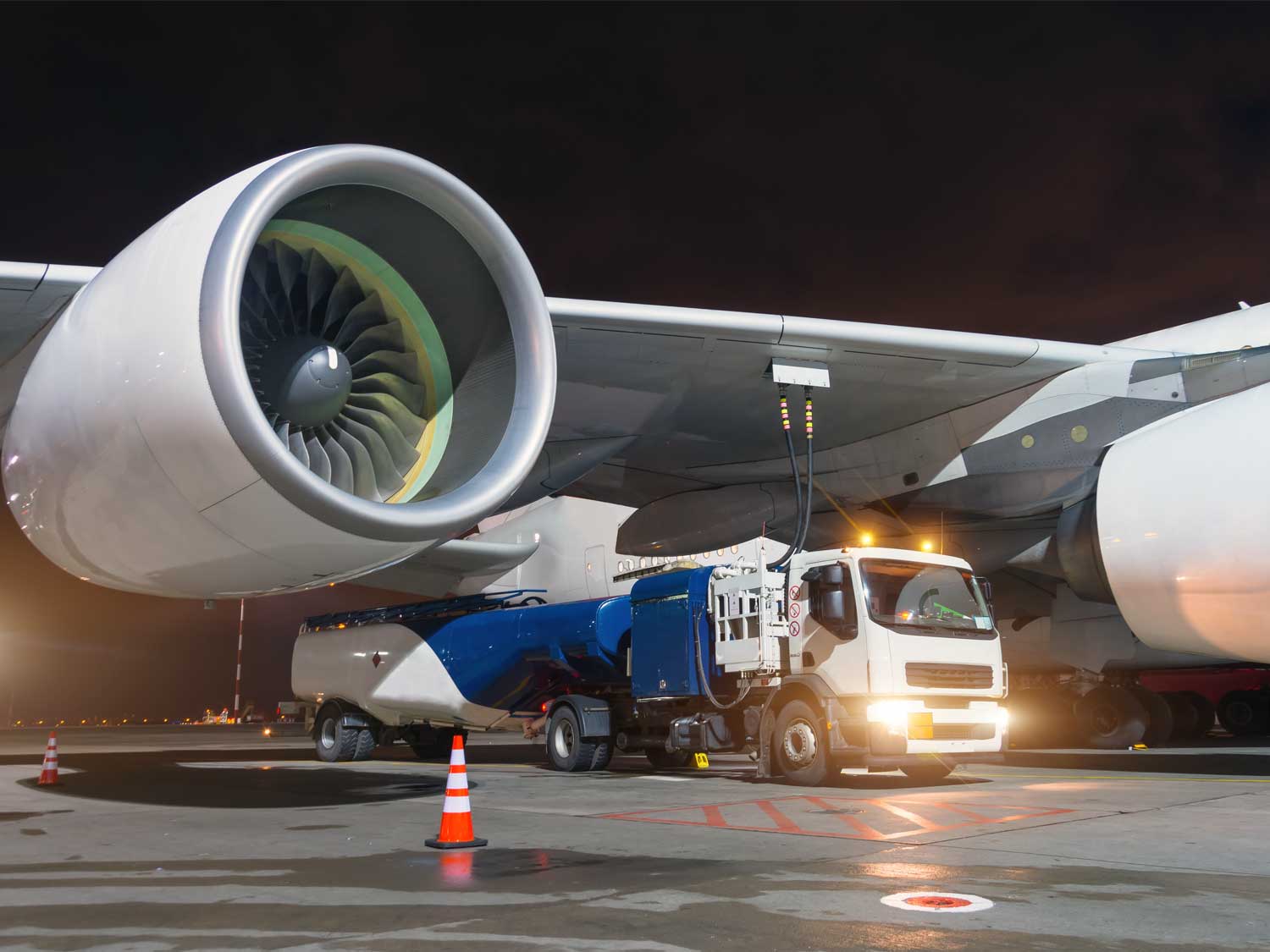
From the aviation sector’s viewpoint, jet fuel typically accounts for 25 to 30 percent of operating expenses, making it the second-largest cost after labor and the most volatile. The sudden price spike has compelled carriers to implement a range of measures to preserve financial stability. Major airlines have announced fare increases, fuel surcharges, higher baggage fees, and selective route reductions to offset the added burden.
Capacity adjustments are already visible. Some European and Asian carriers have trimmed schedules by 2 percent or more for May and June, introduced extra refueling stops on long-haul routes, and adopted “tankering” practices—carrying additional fuel from cheaper locations to minimize refueling at high-cost airports. Gulf hubs, which serve as critical connectors for Europe-Asia and North America-Asia traffic, have seen significant disruptions due to airspace closures and safety concerns, forcing longer reroutes that consume even more fuel.
IATA Director General Willie Walsh has cautioned that supply recovery will lag even if the Strait reopens, citing damaged refining infrastructure. Airlines report that futures prices for May and June, while slightly below current peaks, remain elevated well above pre-crisis levels. This environment challenges thin-margin operations, particularly for carriers without extensive hedging or access to domestic refining. Larger network airlines in the US have been somewhat insulated by domestic production but still face secondary effects through higher overall energy costs and supply chain ripple effects.
The industry perspective also highlights longer-term vulnerabilities. Dependence on a single chokepoint for refined products has exposed the fragility of just-in-time global logistics. While some diversification toward US and Nigerian exports is underway, scaling these alternatives requires time and investment in logistics and refining.
Traveler and Economic Perspective: Higher Fares and Connectivity Risks
Travelers are experiencing the jet fuel crisis through rising ticket prices and reduced flight options. Airfares have climbed across long-haul and regional routes, with some carriers passing on surcharges directly to bookings. Peak summer travel to Europe and Asia faces particular uncertainty, as potential flight cancellations or consolidations could disrupt plans and increase costs for families, businesses, and tourism-dependent economies.
Economically, the aviation sector supports millions of jobs and facilitates global trade valued in trillions annually. Prolonged high fuel costs risk dampening demand, slowing post-pandemic recovery, and affecting related industries such as tourism, logistics, and manufacturing. Independent analyses project that sustained disruptions could reduce air traffic growth projections and add billions in cumulative costs across the value chain. Vulnerable groups, including leisure travelers and small businesses reliant on affordable connectivity, bear a disproportionate share of the burden through higher prices and fewer choices.
On a positive note, the crisis has accelerated industry discussions on fuel efficiency, sustainable aviation fuels, and supply chain resilience, though widespread adoption remains years away and does not offer immediate relief.
Strategies for Aviation Resilience Amid Fuel Volatility
Aviation stakeholders are responding with pragmatic steps focused on short-term cost management and medium-term adaptation. Airlines are optimizing flight planning for fuel efficiency, renegotiating supplier contracts where possible, and enhancing demand forecasting to avoid overcapacity on fuel-sensitive routes. Some carriers are exploring closer collaboration with governments on strategic fuel reserves and alternative sourcing agreements.
Broader resilience strategies include investing in more fuel-efficient aircraft fleets over time and supporting research into alternative propulsion technologies. Industry bodies emphasize the need for coordinated international efforts to diversify energy transit routes and strengthen emergency supply protocols. While these measures cannot eliminate near-term pressures, they aim to mitigate the severity of future shocks and position the sector for more stable growth once supplies stabilize.
The Jet Fuel Crisis Impact on Sri Lanka’s Aviation Sector
Sri Lanka, as a fuel-import-dependent nation with a strategically located aviation hub, feels the effects of the global jet fuel crisis despite its distance from the conflict zone. SriLankan Airlines has forecasted an additional fuel cost of approximately USD 24 million for April 2026 alone, reflecting the sharp rise in procurement expenses amid tightened international supplies.
The Civil Aviation Authority of Sri Lanka and the Ceylon Petroleum Corporation have proactively reviewed stocks and management practices. As of late March, reserves were reported at levels sufficient for around 57 days of average consumption (approximately 1,600 metric tons daily), supported by existing holdings and ongoing orders. Special inter-ministerial discussions have focused on efficient fuel allocation, contingency planning, and alternative mechanisms to maintain uninterrupted domestic and international operations.
For Sri Lanka’s broader economy, the crisis compounds existing energy pressures. Higher aviation fuel costs affect not only passenger and cargo services but also tourism recovery, which relies heavily on affordable air connectivity. The government’s earlier measures, such as temporary fuel conservation steps in March, underscore the interconnected nature of the challenge. While current stocks provide a buffer, sustained global shortages could necessitate further operational adjustments, potentially influencing ticket pricing and route viability for carriers serving the island.
Sri Lankan authorities continue to monitor developments closely, emphasizing preparedness to safeguard essential air services that support trade, tourism, and economic linkages in the Indian Ocean region.
A Forward-Looking Message for the Aviation Sector
The jet fuel crisis serves as a stark reminder of aviation’s exposure to geopolitical and energy market volatility. While the immediate focus remains on managing costs, preserving connectivity, and minimizing disruptions for travelers and businesses, the episode also highlights opportunities for greater supply diversification and efficiency gains. As the situation in the Middle East evolves, coordinated action between governments, energy producers, and the aviation industry will be essential to restore stability.
For airlines and related sectors worldwide, including in import-reliant markets like Sri Lanka the path forward lies in resilience planning that balances short-term survival with long-term sustainability. The coming months will test the industry’s adaptability, but history shows that measured responses can help restore confidence and growth once supply chains normalize. Stakeholders who prioritize transparency, efficiency, and strategic foresight will be best positioned to navigate this period of uncertainty and emerge stronger.
Also in Explained | How Is Sri Lanka Driving Industrial Recovery and Transformation in 2026?