Sri Lanka vein graphite is gaining fresh global attention as EV battery makers look for high-purity graphite beyond China. With rare natural purity, new policy momentum, and growing value-add ambitions, 2026 could become a turning point for Sri Lanka’s graphite industry.
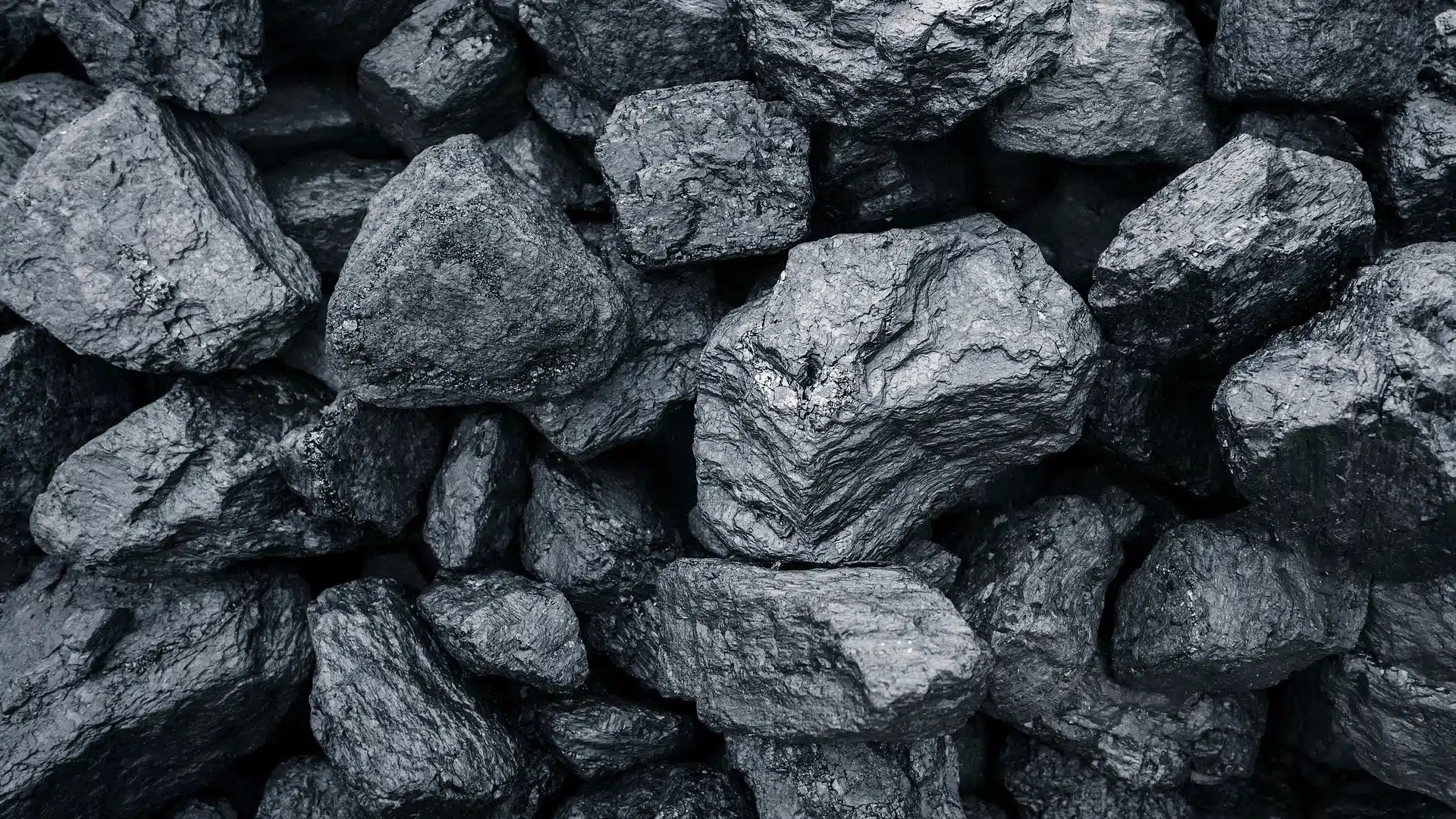
Sri Lanka holds one of the world’s rarest and most valuable natural resources: high-purity vein graphite. This unique crystalline form, with carbon purity often reaching 95–99% straight from the mine, is produced in commercial quantities nowhere else on Earth. As global demand for electric vehicle (EV) batteries accelerates and supply chains seek alternatives to dominant sources, Sri Lanka’s deposits represent a strategic opportunity to drive economic growth through value-added processing rather than raw exports.
This analysis presents verified facts on Sri Lanka’s vein graphite resources, its historical trajectory, recent policy developments, and the clear potential to capture significantly higher economic returns in the clean-energy transition.
Also in Explained | Why Services Exports (ICT/BPM) May Be Sri Lanka’s Next Big Export Engine
Sri Lanka’s Unique Vein Graphite Advantage
Vein graphite, also known as crystalline vein or lump graphite, is distinguished by its exceptional crystallinity and purity. Sri Lanka is the only country with commercially viable deposits of this material. Unlike flake graphite found in other nations, Sri Lankan vein graphite requires minimal beneficiation, offering a natural competitive edge for high-performance applications.
In lithium-ion battery anodes where graphite accounts for up to 95% of the material this high crystallinity improves energy density, charge acceptance, and cycle life. Every gigawatt-hour of battery capacity requires approximately 1,200 tonnes of graphite anode material, and the global shift to EVs is creating sustained demand for reliable, non-dominant sources.
China currently controls over 90% of global graphite processing and maintains export controls on graphite products. These ongoing restrictions continue to drive global manufacturers to seek secure, non-Chinese sources such as Sri Lanka.
From Global Leader to Near-Extinction: A 150-Year History
Commercial graphite mining in Sri Lanka began in the early 19th century. Between 1869 and 1918, nearly 3,000 pits and mines operated across the southwest, establishing the country as a major global supplier. Production peaked at 33,411 tonnes in 1962.
Nationalisation in the 1970s led to operational challenges, and by 1979 virtually all mines had closed. Today, three primary operational entities remain: Bogala Graphite Lanka PLC, the state-owned Kahatagaha Graphite Lanka Ltd, and Ragedara Graphite Mines. Most current output is still exported in raw form at lower prices, representing a significant missed opportunity for value addition.
Ceylon Graphene Technologies: Sri Lanka’s First Step into Value Addition
Sri Lanka has begun moving downstream. Ceylon Graphene Technologies (CGT), a joint venture between LOLC Advanced Technologies (85%) and the Sri Lanka Institute of Nanotechnology (SLINTEC, 15%), is the country’s pioneering graphene and advanced-materials company.
CGT converts local vein graphite into high-quality graphene and graphene-based products. Independent testing confirms superior battery performance compared to synthetic alternatives. In early 2026, CGT successfully dispatched graphene oxide shipments to clients in Canada, marking concrete commercial progress and international market entry.
The economic multiplier is substantial: processed graphite and graphene derivatives command significantly higher prices than raw material, enabling far greater revenue per tonne extracted.
Policy Momentum: The Kahatagaha Mine PPP and National Mineral Policy
In early March 2026, the government issued an Expression of Interest for a Public-Private Partnership to develop the Kahatagaha Graphite Mine. The project includes modernising underground mining operations, expanding sustainable production, and establishing integrated downstream processing facilities for graphite-based products.
Complementing this, the National Mineral Policy 2026 the first major update since 1999 received cabinet approval earlier this year. The policy prioritises local value addition, environmental safeguards, and updated licensing procedures. All heavy mineral licences were temporarily suspended pending full parliamentary implementation to ensure alignment with the new framework.
These initiatives signal a clear strategic shift from raw commodity exports toward high-value, processed products and reflect growing investor interest from both local and international players.
Economic and Strategic Implications for Sri Lanka in 2026
Sri Lanka’s vein graphite aligns directly with global megatrends in electrification and supply-chain diversification. Battery manufacturers worldwide are actively seeking secure, high-purity sources outside dominant processing hubs. Successful development of mining and processing capacity could generate substantial foreign exchange earnings, create skilled jobs in advanced materials and manufacturing, and support broader industrialisation goals in electronics, energy storage, and green technology.
The sector also offers potential for sustainable development. Sri Lanka’s existing underground mining expertise provides a foundation for responsible extraction, while local processing reduces transport emissions and keeps more economic value onshore.
Challenges remain, including environmental management, community engagement, and building a skilled workforce in materials science. Addressing these through targeted training and transparent stakeholder processes will be essential for long-term success.
The Road Ahead for Sri Lanka Vein Graphite: From Raw Material to High-Value Industry
Sri Lanka’s vein graphite is not a recent discovery, it has been known and mined for over 150 years. What has changed is the global context: surging demand for EV batteries, the need for diversified supply chains, and proven local capability in graphene production.
The resources remain in the ground. The purity has not changed. The world needs what Sri Lanka can supply. The decisive factor now is execution advancing the Kahatagaha PPP, fully implementing the National Mineral Policy, and attracting responsible investment in value-added processing.
2026 marks a genuine turning point. With focused policy action and strategic partnerships, Sri Lanka can transform its “black gold” from a largely untapped resource into a cornerstone of sustainable economic growth, powering both the global clean-energy transition and the country’s own development story.
The graphite is still there. The opportunity is now. With sustainable way!
Also in Explained | Russia Investment in Sri Lanka: Strengthening Economic Ties Through Oil Talks and Energy Security