Fintech isn’t just about convenience, it’s about financial inclusion and growth capacity for Sri Lankan SMEs in 2026. Small and medium enterprises form the backbone of the economy, contributing around 52% of GDP and nearly 45% of employment, yet many continue to face barriers in accessing timely and affordable finance, managing cash flow and scaling operations.
With government efforts to build a digital economy and the formulation of Phase II of the National Financial Inclusion Strategy underway in 2026, digital banking and fintech solutions offer practical pathways to bridge these gaps. For SME owners, entrepreneurs and policymakers, the real value lies in tools that enable easier credit access, faster payments, better cash management and reduced reliance on informal finance ultimately supporting resilience, productivity and inclusive growth.
Also in Explained | Why Services Exports (ICT/BPM) May Be Sri Lanka’s Next Big Export Engine
Recent Developments: Digital Finance Momentum in Early 2026
Sri Lanka’s fintech and digital banking landscape has advanced steadily in 2026, supported by national priorities for digital transformation. The 2026 budget allocated Rs. 30 billion for digital initiatives, including broadband expansion, interoperable payment systems and e-government platforms aimed at improving financial access, particularly for SMEs and rural businesses. Phase II of the National Financial Inclusion Strategy is being formulated in 2026, with a strong focus on gender-inclusive finance, inclusive green finance, and digital tools to reach underserved segments such as women entrepreneurs, farmers and micro-enterprises.
Key enablers include widespread adoption of LankaPay QR codes and mobile wallets, which are reducing cash dependency and transaction costs with recent measures removing service charges on small LankaQR transactions to encourage SME uptake. In January 2026, the International Finance Corporation (IFC) announced a US$166 million financing package partnering with major banks to expand SME lending, with a particular focus on women-owned businesses and agri-sectors, alongside digital transaction upgrades. The LankaPay Technnovation Awards 2026, held under the theme ‘Inclusive FinTech’, and the upcoming Sri Lanka FinTech Summit further highlight growing collaboration between banks, fintech players and regulators to drive innovation in SME finance, AI-driven credit scoring and inclusive solutions.
These steps build on broader efforts to digitise government transactions and promote financial literacy, creating a more enabling environment for SMEs to transition from informal to formal digital finance channels.
How Fintech Addresses Core Needs: Inclusion, Access and Growth Capacity
For many Sri Lankan SMEs, traditional banking often involves lengthy paperwork, collateral requirements and limited branch access challenges that fintech directly tackles through mobile-first solutions, simplified onboarding and data-driven credit assessment. AI-powered scoring, for instance, allows lenders to evaluate creditworthiness using transaction history, mobile data and business performance rather than solely relying on formal collateral, opening doors for smaller or newer enterprises.
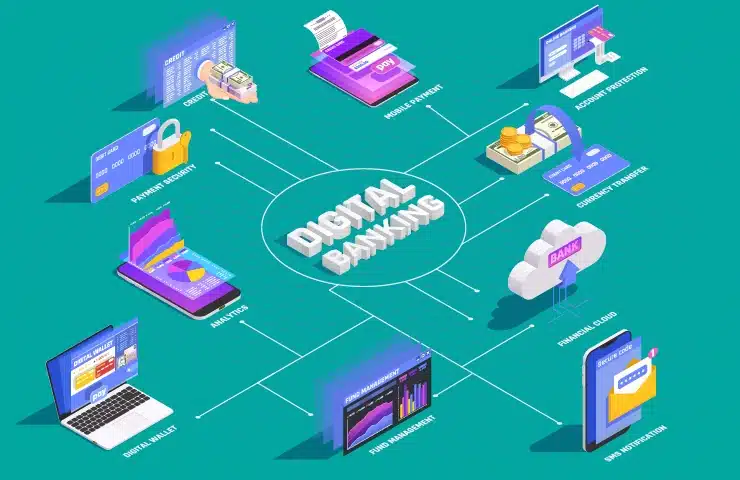
Digital payments and wallets enable faster supplier settlements, customer collections and real-time cash flow visibility, reducing the risks and costs associated with cash handling. Trade finance digitisation and supply chain tools further help exporters and manufacturers connect to global markets with lower friction. Research on fintech adoption in Sri Lanka shows positive links to improved financial inclusion, with factors like perceived ease of use and digital literacy playing key roles in driving meaningful uptake among SMEs.
Beyond convenience, these technologies build growth capacity: better financial management supports investment in inventory, equipment or market expansion, while insurance-linked digital products can mitigate risks from economic shocks. In rural and underserved areas, where digital literacy gaps persist, fintech combined with targeted literacy programmes can bring previously excluded businesses into the formal system, fostering broader economic resilience.
Practical Benefits and Strategies for Sri Lankan SMEs
The impact of effective digital banking and fintech is especially pronounced for SMEs operating with thin margins and limited resources. Easier access to working capital loans, instant payments and digital accounting tools can shorten cash cycles, lower operational costs and free up time for core business activities. Women-led and agri-based SMEs, often facing additional barriers, stand to gain disproportionately from inclusive solutions such as micro-lending apps and guarantee-backed digital facilities.
To harness these opportunities, SME owners should:
- Adopt simple digital payment solutions (such as LankaPay QR and mobile wallets) for daily transactions to build a verifiable financial footprint that supports future credit applications.
- Explore bank or fintech platforms offering streamlined loan applications, digital accounting integration and cash flow forecasting tools.
- Invest in basic digital literacy through free government or bank-led programmes to confidently use online banking, understand terms and protect against cyber risks.
- Partner with banks that provide SME-focused digital services, including supply chain finance or trade facilitation, to improve competitiveness.
- Monitor emerging regulatory developments and government incentives for digital adoption, which may offer support for technology upgrades or concessional financing.
Larger SMEs can integrate advanced tools for inventory and receivables management, while micro-enterprises benefit most from low-cost, user-friendly mobile solutions that require minimal infrastructure.
Turning Digital Finance Adoption into Sustainable SME Resilience
Digital banking and financial technology are powerful enablers that go far beyond convenience for Sri Lankan SMEs. By prioritising financial inclusion, easier credit access and practical growth tools, fintech can help transform challenges such as cash flow constraints and limited market reach into opportunities for stability and expansion in 2026 and beyond.
SME owners who actively embrace these solutions while building complementary skills in digital literacy and financial management will be better equipped to navigate economic uncertainties, seize new opportunities and contribute to a more inclusive digital economy. As government initiatives, bank innovations and international partnerships continue to strengthen the ecosystem, those who treat fintech as a strategic growth partner rather than a mere operational tool can build lasting resilience and unlock their full potential.
Also in Explained | Sri Lanka Vein Graphite: Can It Power the Global EV Battery Boom?