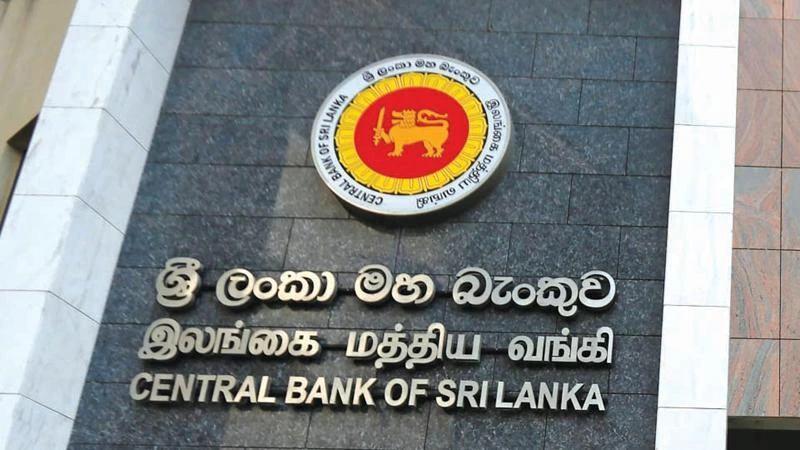

The risks leading to cancellation of registration for finance leasing establishments in Sri Lanka are clearly outlined in the regulatory framework administered by the Central Bank of Sri Lanka (CBSL). Establishments registered under the Finance Leasing Act must maintain strict compliance with ongoing requirements. Failure to do so, especially on a repeated basis despite opportunities to rectify issues, can result in the cancellation of their registration.
Legal Framework Governing Registration and Cancellation of Registration for Finance Leasing Establishments
The Finance Leasing Act No. 56 of 2000 provides the primary legal basis for regulating finance leasing businesses in Sri Lanka. Under this Act, the Director of the Department of Supervision of Non-Bank Financial Institutions (DSNBFI) at the CBSL has the authority to register establishments and oversee their operations.
Section 9 of the Act specifically addresses cancellation or suspension of registration. It empowers the Director to take such action on several grounds, including:
- Failure to commence business within twelve months after registration.
- Ceasing to carry on finance leasing business.
- Inability to meet obligations to lessees, creditors, or suppliers.
- Carrying on business in a manner detrimental to the interests of lessees.
- Acting in contravention of the provisions of the Act, regulations, conditions imposed, or directions given by the Director.
One of the key provisions (Section 9(1)(f)) covers contravention of the Act or any directions issued under it. This broad clause allows the CBSL to act when establishments repeatedly fail to meet supervisory expectations.
Upon cancellation, the establishment loses the authority to enter into any new finance leasing business. It may only continue to service existing contracts entered into before the cancellation date. This protects lessees and maintains stability in the financial system while preventing further expansion by non-compliant entities.
Also in Explained | SME Nexus Sri Lanka 2026: National Framework to Empower SMEs
Critical Reporting Obligations
One of the most common areas leading to regulatory action is non-compliance with reporting requirements. The Finance Leasing (Reporting Requirements) Direction No. 2 of 2010 mandates specific periodic returns and information that registered establishments must submit to the CBSL.
Timely and accurate submission of these reports is essential for the regulator to monitor financial health, risk exposure, asset quality, and overall operations. Repeated failure to comply with these directions, even after reminders or extensions, signals a lack of operational discipline and transparency.
CBSL supervision relies heavily on accurate data to identify early warning signs of distress. When an establishment consistently misses reporting deadlines or provides incomplete information, it undermines the regulator’s ability to perform effective oversight. This can escalate to formal enforcement actions, including the cancellation of registration under the powers granted by the Finance Leasing Act.
The Masterplan for Consolidation of Non-Bank Financial Institutions
The CBSL has implemented a structured Masterplan for the Consolidation of Non-Bank Financial Institutions (NBFIs) to strengthen the overall resilience of the sector. This initiative focuses on improving capital adequacy, operational sustainability, risk management, and long-term viability of finance companies and finance leasing establishments.
Key expectations under the Masterplan include:
- Meeting enhanced capital requirements.
- Developing viable business plans that demonstrate sustainability.
- Progress toward consolidation or restructuring where necessary to achieve scale and stability.
- Addressing weaknesses in governance, asset quality, and liquidity management.
The CBSL has granted extensions in multiple cases to allow establishments time to comply. However, continued lack of satisfactory progress particularly the failure to present a credible plan for ensuring business sustainability is viewed seriously. The regulator prioritizes the stability of the financial system and protection of public interest. Entities that do not demonstrate genuine commitment to these consolidation and viability objectives face heightened regulatory scrutiny.
Non-compliance with Masterplan requirements, combined with other supervisory concerns, provides strong grounds for enforcement measures, including cancellation of registration.
Broader Grounds for Regulatory Action
Beyond reporting and consolidation issues, the CBSL considers several other factors when evaluating whether to cancel registration:
- Inability to meet financial obligations, which could harm lessees and creditors.
- Business practices that are detrimental to the interests of lessees.
- Provision of false, misleading, or inaccurate information during the registration process or ongoing supervision.
- Failure to maintain required capital and reserves as directed.
- Carrying on business in ways that contravene directions on lending limits, risk management, or operational standards.
The CBSL exercises its supervisory powers through regular examinations, off-site monitoring, and issuance of directions. Establishments are expected to respond promptly to supervisory concerns and implement corrective actions within stipulated timelines.
Also in Explained | How Sri Lankan Financial and Leasing Companies Can Secure International Funding in 2026: Strategic Pathways to Growth
Consequences of Cancellation and the Importance of Proactive Compliance
Cancellation of registration has significant consequences. The affected establishment cannot originate new finance leases and is limited to winding down existing business in an orderly manner. This can lead to reputational damage, loss of market access, and challenges in maintaining relationships with customers and funding sources.
For the broader financial system, such actions help maintain discipline and protect the integrity of the regulated sector. They send a clear message that compliance is non-negotiable and that repeated or serious breaches will not be tolerated indefinitely.
To avoid these outcomes, registered finance leasing establishments should:
- Ensure robust internal systems for timely and accurate regulatory reporting.
- Develop and implement credible business plans aligned with the CBSL’s consolidation and sustainability expectations.
- Maintain adequate capital buffers and sound risk management practices.
- Engage constructively with the regulator when issues arise and utilize any extensions or guidance provided.
- Conduct regular internal audits and governance reviews to identify and address weaknesses early.
Proactive compliance not only reduces the risk of regulatory action but also supports long-term business sustainability and stakeholder confidence.
The Role of CBSL Supervision in Maintaining Financial Stability
The CBSL’s approach to supervision of non-bank financial institutions, including finance leasing establishments, is designed to promote a stable, efficient, and resilient financial system. Through the Finance Leasing Act and supporting directions, the regulator balances the need for industry growth with the imperative of protecting depositors, lessees, and the overall economy.
Recent enforcement actions demonstrate that the CBSL applies these standards consistently. When establishments receive multiple opportunities to comply, including extensions of time but fail to demonstrate meaningful progress, particularly on core issues like reporting and business viability, regulatory intervention becomes necessary.
This framework encourages all participants in the finance leasing sector to prioritize governance, transparency, and operational soundness. It also underscores that regulatory compliance is an ongoing responsibility, not a one-time achievement at the point of registration.
Conclusion
The cancellation of registration for finance leasing establishments serves as a critical enforcement tool to uphold standards in Sri Lanka’s non-bank financial sector. Key triggers include repeated non-compliance with reporting directions, failure to meet Masterplan consolidation requirements despite extensions, and inability to demonstrate viable sustainability plans.
Establishments that neglect these obligations risk losing their authorization to operate. The legal provisions under the Finance Leasing Act, combined with CBSL’s supervisory framework, provide clear pathways for such actions when warranted.
For the sector to thrive, participants must treat regulatory compliance as a core business function. Timely reporting, adherence to consolidation expectations, maintenance of financial soundness, and responsive engagement with the regulator are essential to avoid enforcement measures and contribute to a stable financial environment.
Sri Lanka’s financial sector benefits when all regulated entities operate with discipline and transparency. Understanding these risks and maintaining robust compliance practices helps protect individual businesses while supporting the broader goals of financial stability and public confidence.
This article is based on official Central Bank of Sri Lanka communications and the provisions of the Finance Leasing Act No. 56 of 2000. It is intended for educational and informational purposes only and does not constitute legal or regulatory advice. Institutions should consult official CBSL guidelines and seek professional advice for specific compliance matters.