The Next Frontier of Growth
After decades of recovery and rebuilding, Sri Lanka’s Northern Province stands at a turning point. The region, comprising Jaffna, Kilinochchi, Mannar, Mullaitivu, and Vavuniya, is gradually transforming from a post-conflict zone into a high-potential economic hub. Its proximity to India, vast land resources, cultural depth, and newly built infrastructure make it one of the most promising regions for business expansion in Sri Lanka.
Today, policymakers, investors, and entrepreneurs are beginning to see the North not as a periphery but as a key driver of national growth.
Why the North Matters
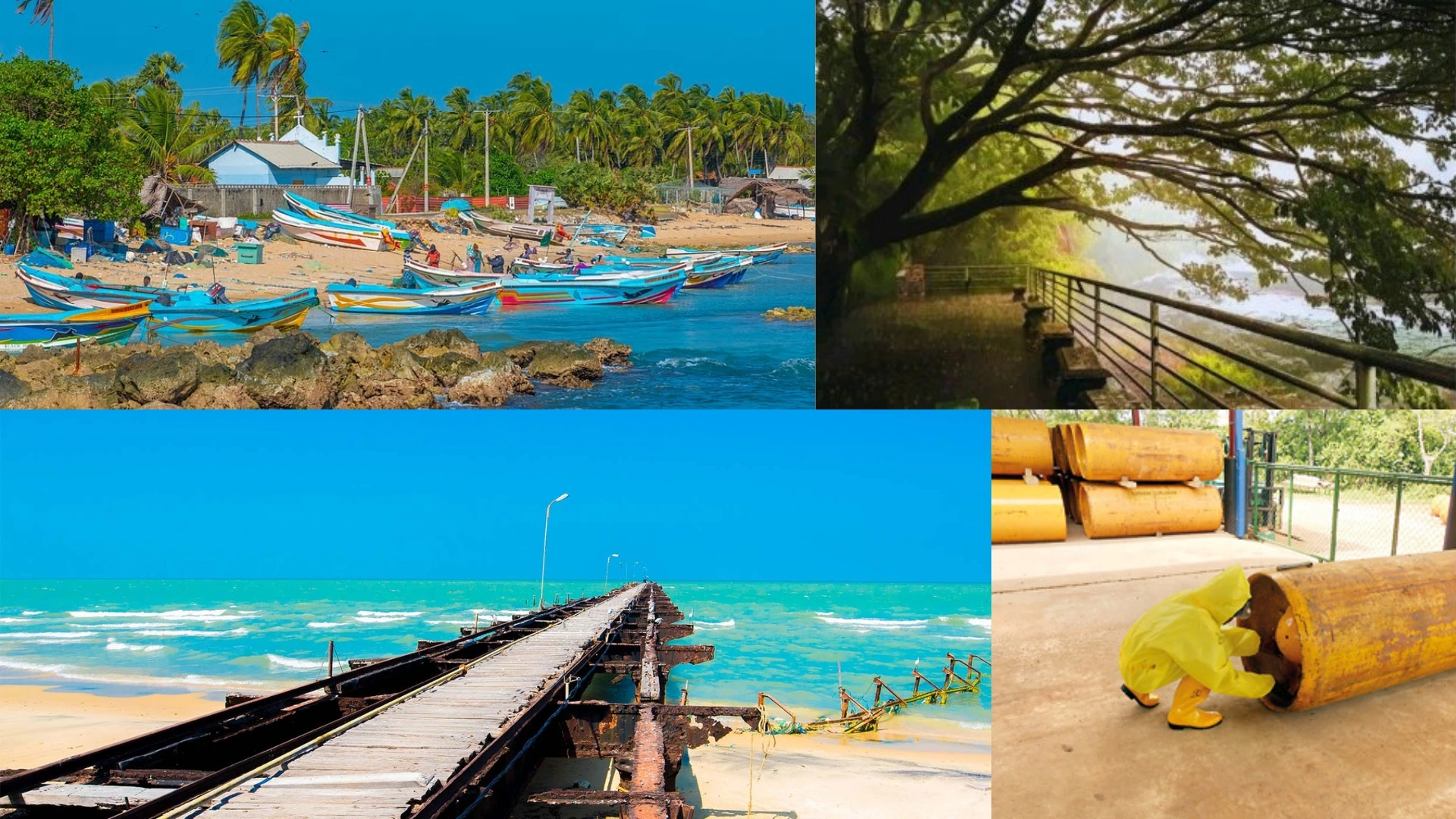
The Northern Province commands strategic importance for both trade and logistics. With over 400 km of coastline facing the Palk Strait, it provides one of the shortest maritime and air routes between Sri Lanka and South India.
Projects such as the Kankesanturai (KKS) Harbour redevelopment, Palaly International Airport, and A9 highway improvements have reconnected the region with national and international markets.
These upgrades signal one message: the North is open for business.
Emerging Economic Drivers
a) Manufacturing & Export Processing
The Export Processing Zones (EPZs) in Paranthan (Kilinochchi) and Kankesanturai (Jaffna) are designed to attract industries in apparel, food processing, packaging, and light manufacturing.
Incentives include tax relief, simplified approvals, and access to the skilled but underemployed local workforce. For SMEs seeking expansion beyond Colombo, these zones offer affordable land and government-backed infrastructure.
b) Tourism & Hospitality
The Northern Province’s coastline, islands, and lagoons offer unparalleled tourism potential from Kayts and Delft Islands to Casuarina Beach and Mannar’s bird sanctuaries.
Cultural and heritage tourism is also gaining traction: ancient Hindu temples, colonial-era churches, and traditional Tamil cuisine are redefining the North as a destination for cultural immersion rather than mass tourism.
With improved roads and digital connectivity, boutique hotels, eco-resorts, and local homestays are rising rapidly.
c) Renewable Energy & Infrastructure
The North’s wind and solar resources remain largely untapped.
Recent renewable projects such as partnerships with Adani Green Energy and CEB’s proposed solar farms highlight its potential to become Sri Lanka’s renewable powerhouse.
Mannar’s wind corridor and Jaffna’s solar potential can support industrial zones, while helping Sri Lanka reduce import dependence on fossil fuels.
The SME & Start-up Opportunity
Local entrepreneurship is slowly awakening in the Northern districts.
Small-scale fisheries, dairy farming, coir production, and ICT services are emerging areas where micro and small enterprises can thrive.
However, a gap still exists in capacity building many local businesses need training in marketing, financial literacy, and digital adoption.
This opens doors for Colombo-based SMEs and diaspora investors to form partnerships, mentor local entrepreneurs, and co-invest in scalable ventures.
Challenges to Address
Despite opportunity, several constraints remain:
- Infrastructure Gaps: Rural roads, power reliability, and water access still limit large-scale projects in some areas.
- Skills Shortages: Technical and managerial skills need strengthening through vocational training.
- Access to Finance: SMEs in the North face higher collateral requirements and limited banking reach.
- Investor Perception: Some investors remain cautious due to outdated perceptions of the region.
Addressing these through targeted incentives and partnerships can accelerate transformation.
Government and Policy Support
The Northern Provincial Council, with national agencies like the Board of Investment (BOI) and Central Bank, has rolled out investor facilitation desks and integrated development plans.
Key initiatives include:
- A “One-Stop Investment Information Service” in Jaffna.
- Public-Private Partnerships (PPPs) for ports, agriculture, and tourism.
- Skill development projects under the National Apprentice & Industrial Training Authority (NAITA).
These frameworks reduce bureaucracy and improve investor confidence.
Why Now Is the Time
The Northern economy is at an inflection point. Labour availability is high, land costs are low, and government incentives are strong.
Additionally, the post-IMF stabilisation and renewed Indo-Lanka trade focus create a rare window for investors to position early.
As connectivity improves and consumption rises, businesses that enter now will enjoy first-mover advantage and long-term brand trust among Northern communities.
The Road Ahead
To unlock the region’s full potential, Sri Lanka must continue investing in three key pillars:
- Infrastructure: Port and airport expansion to link regional supply chains.
- Human Capital: Vocational training and digital literacy for youth.
- Private Sector Partnerships: Encouraging joint ventures between southern and northern entrepreneurs.
The Northern Province can be the testbed for inclusive growth where economic opportunity aligns with regional reconciliation.
Conclusion
The narrative of Sri Lanka’s North is changing from a story of recovery to one of resurgence.
For investors, innovators, and policymakers, this is a moment to look beyond the familiar.
From the fishing villages of Mannar to the tech entrepreneurs of Jaffna, the North offers fertile ground for sustainable, future-focused growth.
The message is clear: the Northern Province isn’t just rebuilding, it’s reinventing the Sri Lankan business landscape.
Latest News: