

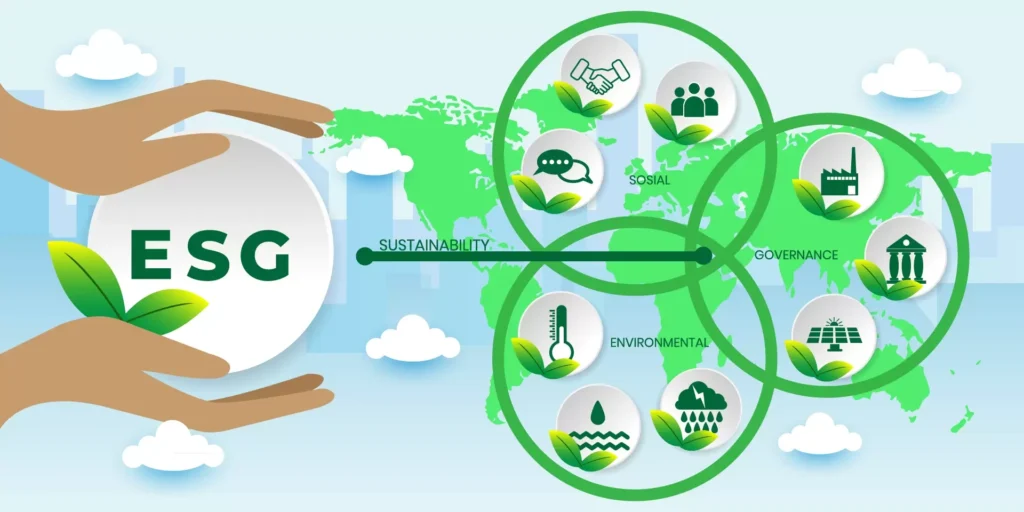
Environmental, Social, and Governance (ESG) reporting has transformed from a voluntary exercise into a cornerstone of corporate accountability. Businesses worldwide now disclose detailed insights into their sustainability practices, driven by regulatory mandates, investor demands, and stakeholder expectations. In 2025, ESG reporting stands at a pivotal juncture, with heightened transparency requirements reshaping how companies measure and communicate their impacts. This shift not only mitigates risks but also unlocks opportunities for long-term value creation in an era where sustainability directly influences financial performance.
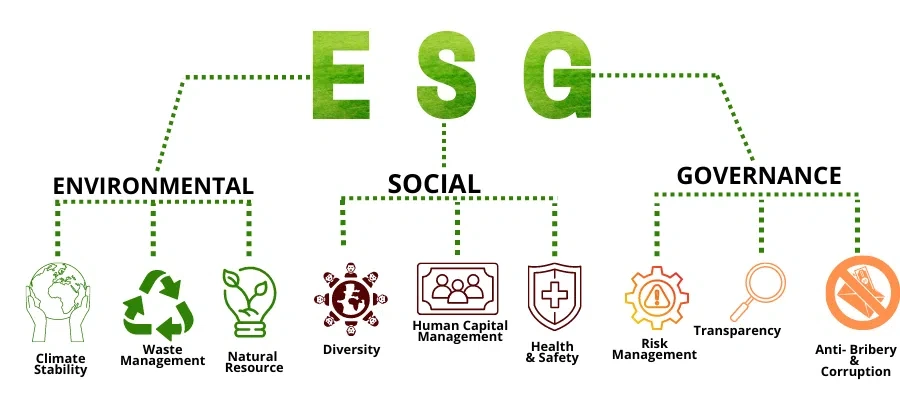
The global push for standardized disclosures reflects a broader recognition that ESG factors are material to business resilience. Reports now encompass everything from carbon emissions and supply chain ethics to board diversity and anti-corruption measures. As jurisdictions harmonize frameworks, companies face the dual challenge of compliance and strategic integration. Yet, those adapting swiftly gain competitive edges through enhanced reputation, access to capital, and operational efficiencies.
Key Trends Defining ESG Reporting Today
Several trends dominate the 2025 ESG landscape.
- First, digital tools like AI and blockchain are revolutionizing data management. Real-time monitoring of supply chains and automated audits enable precise tracking of emissions and resource use, reducing errors and boosting credibility. Companies leveraging these technologies report more confidently, aligning disclosures with dynamic regulatory demands.
- Second, transparency has reached new heights under directives like the EU’s Corporate Sustainability Reporting Directive (CSRD). Initial 2025 reports reveal deeper dives into metrics such as energy consumption, water usage, waste management, and biodiversity impacts. This granularity helps stakeholders assess true sustainability progress, moving beyond superficial claims.
- Third, governance is emerging as a priority. CFOs and boards increasingly oversee ESG integration, embedding it into core strategies. Collaboration across industries amplifies this, with shared benchmarks narrowing ESG scopes to material risks.
Meanwhile, global harmonization efforts by bodies like the Global Reporting Initiative (GRI) and International Sustainability Standards Board (ISSB) promise comparable data, enhancing interoperability. In regions like the US, political shifts have prompted “greenhushing” pursuing ESG goals quietly to avoid backlash while Europe doubles down on accountability.
Assets under ESG mandates are projected to hit $35 trillion by year-end, underscoring investor commitment despite outflows in some markets.
ESG Reporting in Sri Lanka: Local Context and Progress
Sri Lanka aligns with global standards through proactive regulatory steps. The Colombo Stock Exchange (CSE) mandates ESG policies on company websites, while the Central Bank encourages banks to disclose impacts using GRI or Taskforce on Climate-related Financial Disclosures (TCFD).
Adoption of SLFRS S1 and S2 mirroring ISSB’s IFRS S1 and S2 begins in 2025, emphasizing financial materiality for listed and large firms.
Voluntary reporting has grown, with companies issuing standalone sustainability reports alongside annual filings. The Securities and Exchange Commission (SEC) promotes green bonds and taxonomies, fostering investor education via partnerships.
Challenges persist in material topic selection, such as parental leave, but progress in assurance services bolsters report reliability. For Sri Lankan exporters, EU and North American demands for footprints and human rights compliance drive comprehensive disclosures.
Local indices and maturity assessments support readiness, positioning businesses for net-zero alignment.Core Frameworks Guiding DisclosuresNo single framework dominates, but interoperability eases navigation. GRI remains widely used for broad impacts, while SASB focuses on industry-specific financial materiality. ESRS under CSRD mandates detailed EU reporting, with 2025 amendments simplifying data points by 57%.
ISSB’s IFRS S1 and S2 provide a global baseline, adopted locally as SLFRS. TCFD integrates climate risks, and emerging standards like TNFD address biodiversity. In Sri Lanka, GRI leads voluntary efforts, complemented by CSE guidance.
Double materiality assessing both financial impacts and outward effects gains traction, ensuring reports cover risks like ecosystem collapse. Assurance via standards like ISSA 5000 enhances trust.
The Strategic Importance for Businesses
ESG reporting transcends compliance, fostering transparency that builds stakeholder trust. Investors favor companies with robust disclosures, correlating strong practices with outperformance.
It mitigates risks identifying climate vulnerabilities or supply chain issues while spotlighting opportunities like cost savings from efficiency. Reputationally, aligned brands attract talent and loyal customers; 76% of consumers shun poor performers.
In Sri Lanka, it supports export competitiveness amid global scrutiny. Internally, it drives innovation, integrating ESG into decisions for resilient growth.
Overcoming Persistent Challenges
- Data quality tops hurdles: gaps afflict 58% of sustainable investments.
- Siloed information and manual processes complicate aggregation. Solutions include centralized platforms and AI for verification.
- Fragmented standards burden multinationals, with 85% juggling multiples.
- Mapping tools and interoperability focus streamline efforts. Greenwashing risks rise with scrutiny; third-party assurance counters this.
In Sri Lanka, capacity building via workshops addresses metric selection gaps. Budget increases for tech nearly half plan data investments tackle these.
The Road Ahead: A Digital, Integrated Future
By 2026, CSRD deadlines will normalize sustainability as business-as-usual.
Tech integration AI for sentiment analysis, blockchain for traceability will enable real-time, auditable reports. Social factors, like inequality via TISFD, and biodiversity will deepen focus.
Global baselines from ISSB will reduce fragmentation, though regional nuances persist. In Sri Lanka, phased SLFRS rollout and GHG certifications pave the way.
Forward-thinking firms will embed ESG into finance, yielding revenue gains from climate investments.
ESG reporting in 2025 demands agility amid evolution. Businesses embracing it not only comply but thrive, turning sustainability into a growth engine. As frameworks converge and tools advance, proactive disclosure will define leaders in a transparent world.
Latest News: