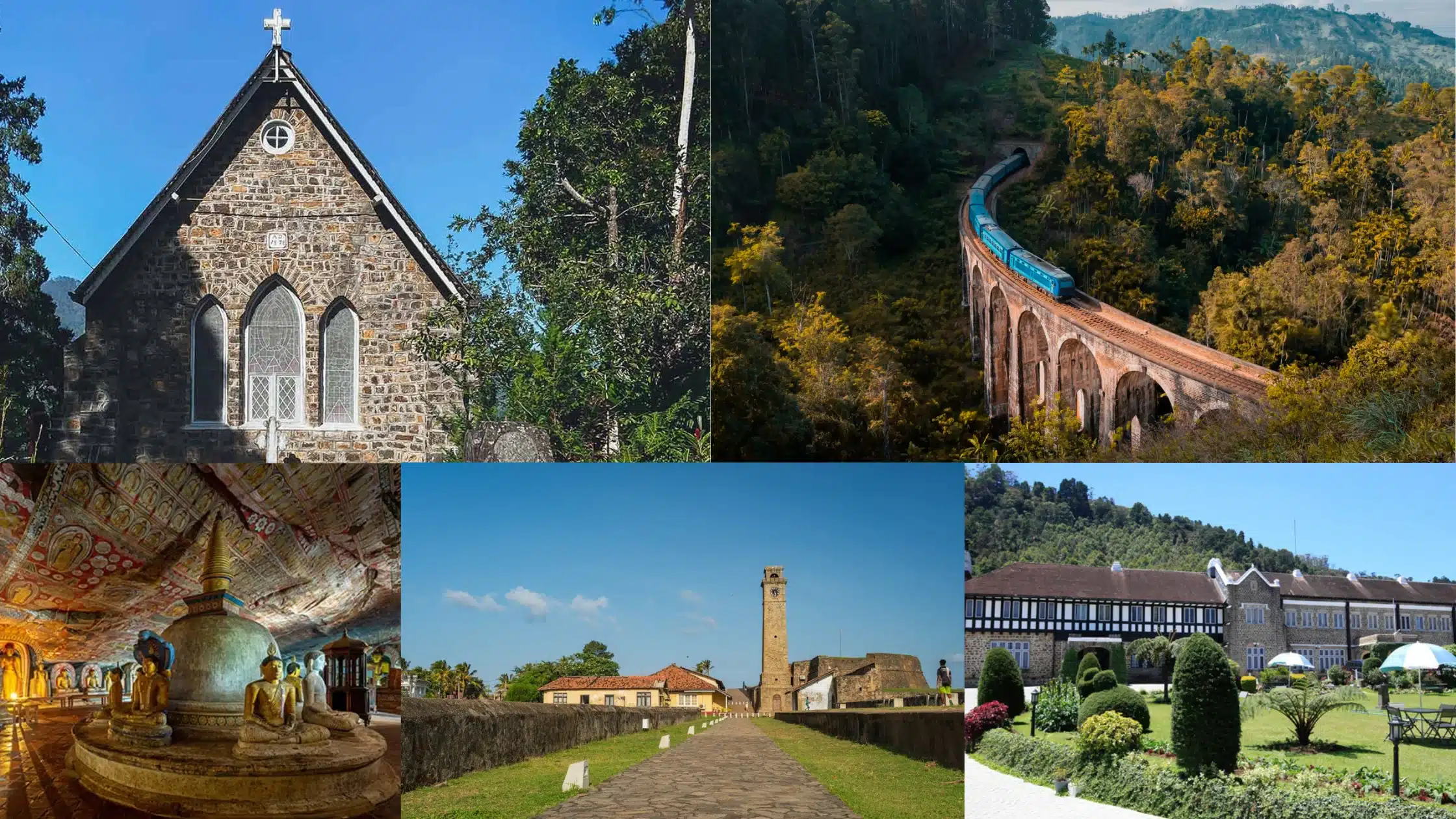
The Sri Lanka Tourism Revenue 2026 situation highlights an important challenge for the country. Tourist numbers continue to rise strongly after successful recovery strategies, yet foreign exchange earnings from tourism are not growing at the same pace. According to data from the Sri Lanka Tourism Development Authority (SLTDA) and the Central Bank of Sri Lanka (CBSL), this gap between quantity and quality needs urgent attention to make tourism a stronger driver of economic growth.
Background on Sri Lanka Tourism Recovery
Sri Lanka has worked hard to rebuild its tourism sector after difficult years. The government and SLTDA introduced several strategies focused on marketing, better air connectivity, and product diversification including wellness, nature, and cultural experiences. These efforts paid off in visitor numbers. In 2025, Sri Lanka welcomed a record 2,362,521 international tourists, higher than the previous all-time high of 2,333,796 in 2018. Early 2026 data shows the positive trend continuing, with January alone recording 277,327 arrivals, a 9.7% increase from January 2025.
The SLTDA projects between 2.55 million and 3 million arrivals for the full year 2026, depending on global conditions. Targets include up to USD 4.5–5 billion in revenue. However, actual earnings tell a different story so far. In 2025, tourism brought in around USD 3.2 billion, only modest growth despite the record arrivals. In January 2026, earnings reached USD 378.3 million, down 6% from the same month in 2025, even as arrivals increased.
Also in Explained | Post-Pandemic Tourism Strategy: Lessons from Early 2026 Growth Projections
Record Tourist Arrivals in 2025-2026
The rise in numbers is clear and encouraging. By early March 2026, arrivals had already crossed 600,000. India has remained the top source market for several years, often accounting for 18–27% of monthly arrivals and sometimes higher in peak periods. Other key markets include the United Kingdom, Russia, Germany, and China. This growth comes from improved flight connections, targeted promotions, and Sri Lanka’s natural appeal. Yet higher visitor counts alone do not guarantee stronger economic benefits. Many tourists from nearby markets tend to stay for shorter periods and spend less per day compared to long-haul visitors from Europe or other high-income countries. This mix has contributed to the slower growth in total revenue.
Sri Lanka Tourism Revenue 2026 – The Growing Gap
The Sri Lanka Tourism Revenue 2026 challenge is not about fewer tourists, it is about lower average spending per tourist. Official CBSL and SLTDA figures show that while arrivals grew by around 15% in 2025, revenue growth was much smaller. Early 2026 data confirms the same pattern: more people arrive, but earnings per arrival have not kept pace. This situation raises a simple question: what is the real value of record-breaking tourist counts if the income needed for jobs, infrastructure, and community development does not grow in line? Without higher revenue, the full potential of tourism to support the economy remains under-used.
Main Reason – Mass Welcoming Without Tailored Strategy
From an analysis point of view, the core issue is mass tourism without a complete long-term plan. Sri Lanka has welcomed large numbers of visitors, especially from one dominant nearby market that makes up a significant share of arrivals. These tourists often come for short, budget-friendly trips focused on beaches or quick cultural stops. While they add to the count, they contribute less to overall spending on accommodation, food, shopping, and experiences. The country has not yet fully developed different strategies for each major source country. A one-size-fits-all approach works for volume but not for quality. Sri Lanka also needs to move beyond heavy reliance on sun-and-beach or party-style tourism and instead highlight its unique strengths.
Lessons from Thailand’s Recent Visa Policy Changes
Other countries are learning similar lessons. Thailand, which once expanded visa-free stays to 60 days for 93 countries to boost numbers quickly, has now reversed that decision in May 2026. The Thai government reduced the visa-free period to 30 days for most eligible countries and made other rules stricter. Officials cited problems with illegal activities, overstays, and unwanted cultural shifts that came with unchecked mass tourism. Thailand realised that simply attracting more visitors without controls can harm local communities and the quality of the tourism experience. Sri Lanka can learn from this. Mass welcoming brings numbers, but without proper planning it can also create pressure on infrastructure, environment, and local culture.
Spain’s Successful Move to Sustainable Growth
Spain offers a better model for balanced tourism. The country once focused heavily on mass coastal tourism but has now shifted priorities. The Spanish government is actively promoting inland regions, cracking down on illegal short-term rentals, and limiting cruise ship numbers in crowded ports. A major plan worth €1.2 billion aims to redirect at least 10% of visitors to less-visited areas and spread tourism across the whole year instead of just peak summer.
Spain still welcomes large numbers but focuses on quality, sustainability, and higher spending per tourist. This approach protects local residents, spreads economic benefits more evenly, and keeps the destination attractive for years to come. Sri Lanka has similar inland and regional areas; ancient heritage sites, tea country, national parks, and colonial-era towns that can be developed in the same smart way.
Sri Lanka’s Unique Potential – Culture, Heritage and Hospitality
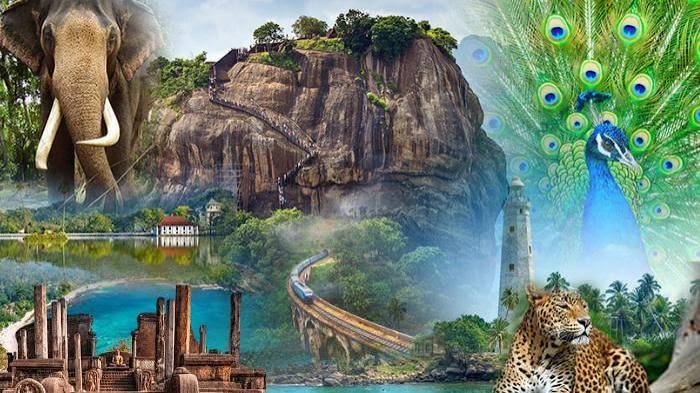
Sri Lanka does not need to copy any other country. It has its own rich identity. The island offers world-class cultural heritage from ancient civilisations, colonial history, and living traditions that can attract high-value tourists interested in authentic experiences. Promoting these to descendants of Sri Lankans who left after past events, as well as history lovers worldwide, can bring visitors who stay longer and spend more. The country also has unmatched natural beauty and is known globally for its warm hospitality, often called the best in the region.
Universities in Sri Lanka have strong tourism experts, including specialists in sustainable practices and heritage tourism. Their knowledge should be used more directly in planning. Instead of following the same rules as Thailand or other mass-tourism destinations, Sri Lanka can create tailored strategies for each source market. For example, wellness and nature packages for European travellers, cultural and family experiences for Indian visitors, and premium heritage tours for long-haul markets.
Practical Steps for Better Tourism Revenue
To improve Sri Lanka tourism revenue and beyond, clear actions can help
- Develop country-specific marketing plans that highlight high-value experiences.
- Promote lesser-visited regions to spread benefits and reduce pressure on popular spots.
- Work closely with university experts to design sustainable products.
- Encourage longer stays and higher spending through quality infrastructure and authentic offerings.
- Focus on eco-friendly and community-based tourism that protects the environment and culture.
These steps do not mean stopping mass tourism entirely. They mean balancing it with quality growth so that every tourist contributes more meaningfully to the economy.
Conclusion
Sri Lanka has shown it can attract record numbers of tourists through determined strategies. However, the Sri Lanka tourism revenue 2026 data clearly shows that visitor counts alone are not enough. The real success will come when tourism delivers strong, sustainable income that supports jobs, communities, and national development.
By learning from others, using local expertise, and promoting Sri Lanka’s unique culture, history, and hospitality in smart ways, the country can turn its huge potential into real economic gains. Planning now for quality-focused growth in this changing global environment will ensure tourism remains a true backbone of the economy for many years ahead. This article is for education and news purposes only and is not intended as investment, financial or market advice.
Also in Explained | Is Sri Lanka’s Tourism Recovery Itinerary Enough for 2026?