Why households in Sri Lanka are being forced into reactive living stems from repeated global and domestic shocks that turn every family budget into a daily survival calculation rather than a platform for long-term dreams. No longer can parents confidently plan for a child’s university education, save for a home, or invest in a small business without first checking fuel prices, food costs, or the latest international headline. The 2022 crisis taught harsh lessons; the almost 25-30% fuel price surge in March 2026 driven by Middle East tensions has brought those memories flooding back with fresh intensity.
Families now cancel school van bookings, switch to cheaper but less nutritious meals, and postpone repairs or savings goals all in real time. This reactive mode is not a temporary inconvenience. It is becoming the new normal for millions, quietly eroding the ability to build stable futures. When daily decisions are dictated by crisis conditions, long-term progress for households becomes almost impossible.
Also in Explained | Tourism Weakness Is More Than a Travel Problem: What It Means for Sri Lanka’s Economy
Escalating Transport Costs That Reshape Daily Commutes and Family Schedules
Transport has emerged as one of the heaviest burdens pushing Sri Lankan households into reactive living. The 25% fuel price increase implemented in March 2026 with petrol 92 octane rising from Rs. 317 to Rs. 398 and 95 octane from Rs. 365 to Rs. 455 triggered immediate ripple effects on bus fares, school vans, and three-wheeler charges. For a typical urban or suburban family, school transport alone can now consume 10–15% of monthly income, forcing parents to rearrange work shifts, combine trips, or pull children from extracurricular activities simply to save on daily travel.
According to the latest available Household Income and Expenditure Survey data, transport and communication already accounted for 14.2% of average monthly household spending before the latest shocks. With repeated price hikes since 2022, many families have shifted from private vehicles or reliable vans to overcrowded public buses or even walking longer distances. Office workers leave home earlier or later to avoid peak fares. Rural families delay visits to hospitals or markets because every kilometre now costs noticeably more.
This constant recalibration steals time and energy that could have gone into productive activities or family bonding. When transport costs dictate schedules instead of family needs, long-term planning such as relocating for better schools or jobs is quietly abandoned. Households survive day to day but lose the freedom to shape their future mobility.
Soaring Food Bills Forcing Nutrition Trade-Offs and Budget Reallocations
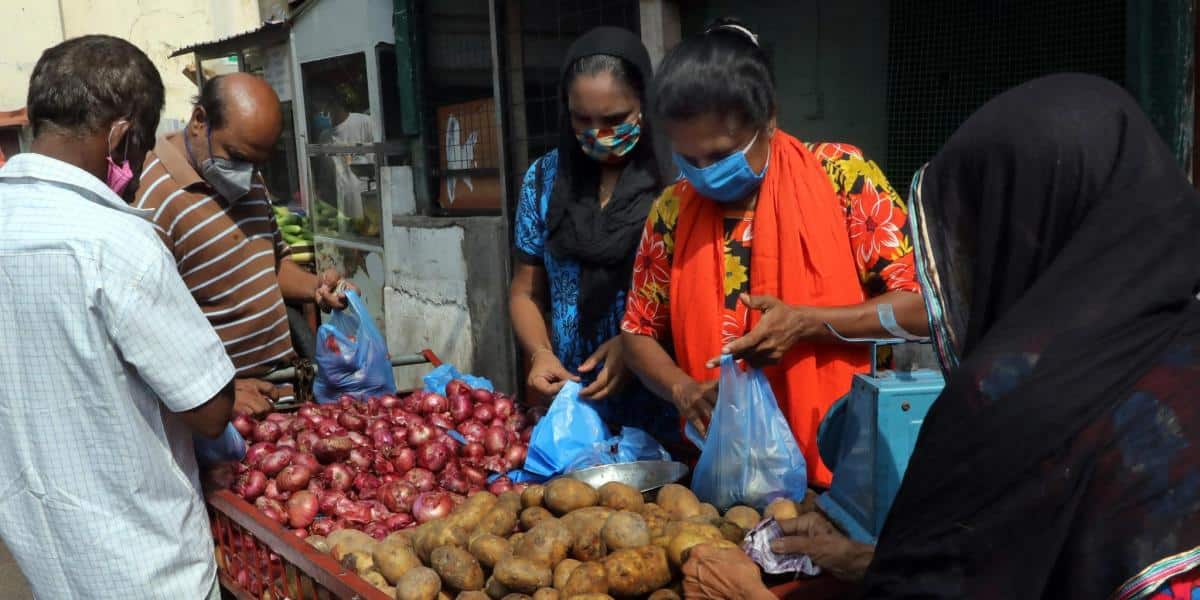
Food remains the largest single expense for most Sri Lankan households, and its volatility keeps families perpetually reactive. Even though overall inflation eased to 1.6% by February 2026, the base cost of staples stayed elevated after years of global shocks. The March 2026 fuel price spike has already begun pushing up delivery and market transport costs, raising prices for vegetables, fish, and dairy in many areas. Families report switching from preferred proteins to cheaper alternatives or reducing portion sizes to keep weekly budgets intact.
Historical patterns from the Household Income and Expenditure Survey show food and drink traditionally absorbing around 35% of total household expenditure. In practice today, that share feels heavier because absolute prices have not returned to pre-crisis comfort levels. Parents skip premium rice varieties, limit meat or milk for children, or buy in smaller quantities to avoid waste if prices rise again. The official poverty line stood at Rs. 16,730 per person per month in January 2026, yet many working families just above this threshold still make daily trade-offs between nutrition and other essentials.
These micro-adjustments accumulate: a child’s growth may be compromised, a mother’s health affected, or a family’s savings wiped out by one bad harvest or supply disruption. When food bills force constant reallocation, households stop dreaming about better diets or emergency funds and instead focus solely on making it through the next week.
Education and Schooling Expenses Compounded by Uncertainty That Limit Future Planning
Schooling costs, though often described as “free” in public institutions, have become another driver of reactive decision-making for Sri Lankan families. Beyond government-provided basics, parents face development fees, exam papers, stationery, and transport expenses that easily reach Rs. 500 per child monthly or up to Rs. 5,000 for two children in many households. Private tuition, once optional, is now seen as essential for competitive exams, yet it can consume 15–25% of income for lower-middle families.
The uncertainty of repeated crises makes long-term educational planning nearly impossible. Families hesitate to enrol children in extra classes or invest in laptops and books because next month’s fuel or food shock might require cutting those very expenses. Some parents withdraw children from pre-primary or after-school programmes during price spikes, only to re-enrol when conditions stabilise creating gaps in learning and confidence.
The 2026 budget introduced helpful measures such as the continued Rs. 6,000 stationery allowance under Aswesuma, yet these one-time supports cannot offset the chronic unpredictability. When every school term begins with the fear that a global event could force fees to be skipped or transport abandoned, households stop investing in brighter futures. Instead, they react by lowering expectations choosing local schools over better but costlier options or delaying higher education plans altogether.
Escaping Reactive Living in households in Sri Lanka : Building Household Resilience in an Unstable World
Sri Lanka’s households are trapped in reactive living not because families lack discipline or ambition, but because external instability repeatedly resets their plans. Transport costs dictate commutes, food bills shape meals, and schooling expenses limit dreams all while uncertainty prevents the steady saving and investing that build generational progress. The pattern is clear from 2022 through the ongoing 2026 pressures: each shock forces families back into short-term survival mode.
Breaking this cycle requires more than temporary relief. It demands structural changes that give households genuine buffers affordable and reliable public transport, stable local food systems, predictable education funding, and stronger social safety nets. When families can plan beyond the next fuel price announcement or global headline, they regain the power to invest in education, health, and small enterprises. Daily life stops being a series of emergency adjustments and starts becoming a foundation for lasting progress.
Sri Lankan households have shown remarkable resilience through crisis after crisis. Now they need an economy and policy environment that finally lets them live proactively instead of reactively. The data and daily realities of 2026 make one truth unmistakable: stability at the household level is the only path to genuine national progress.
Also in Explained | What Permanent Solutions Could Make Daily Life More Stable in Sri Lanka