
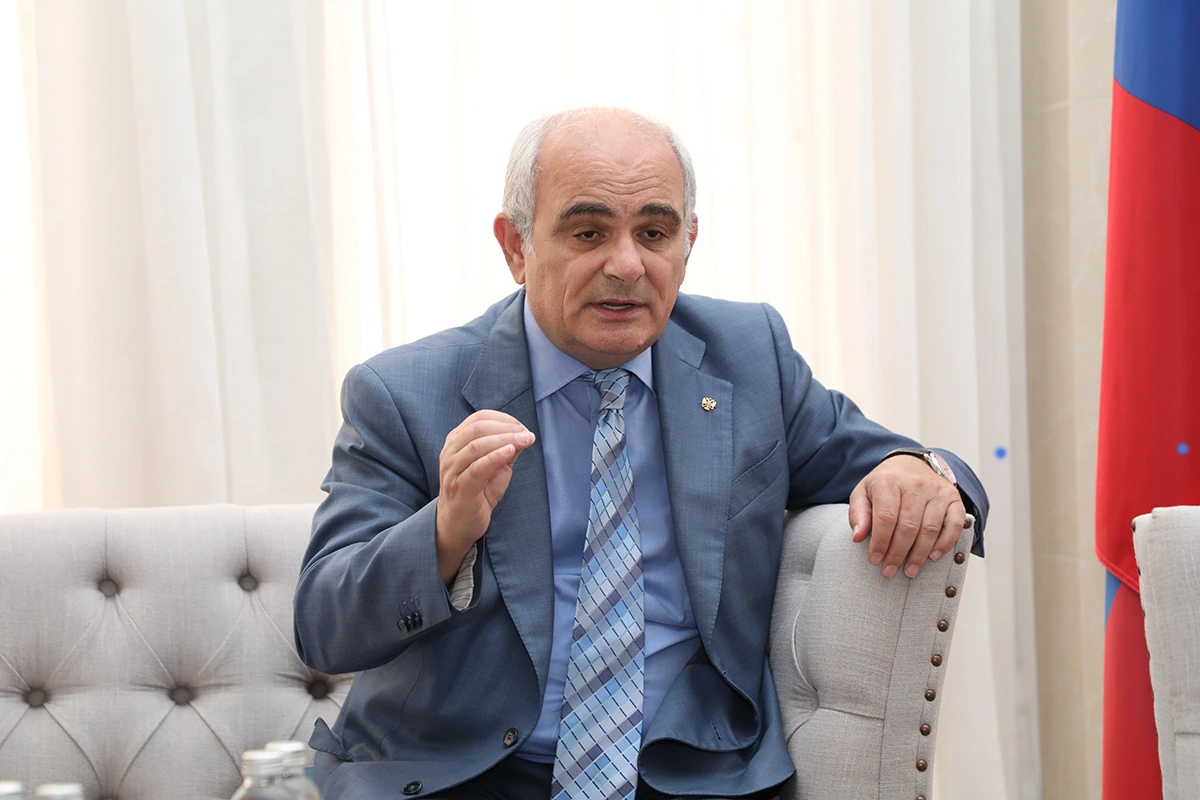
The Russian Ambassador to Sri Lanka, Levan Dzhagaryan, recently voiced a sentiment echoing among potential foreign investors: “Where to invest?” and “We’re ready to invest, but no projects.” This candid remark highlights a persistent challenge for Sri Lanka’s investment promotion efforts, strong interest from abroad often meets frustration due to the absence of clearly defined, bankable opportunities.
While the country has hosted numerous high-profile investor forums and showcased flagship projects in recent years, many prospective partners report difficulty accessing detailed, actionable information. This gap contributes to Sri Lanka lagging in attracting new foreign direct investment (FDI), despite positive macroeconomic signals and proactive outreach.
Positive FDI Momentum with Underlying Concerns
Sri Lanka recorded FDI inflows of $1.057 billion in 2025, a 72% increase from the previous year and surpassing the $1 billion target set by the Board of Investment (BOI). The manufacturing sector attracted the largest share at 46%, followed by port development (26%), tourism and leisure (11%), and telecommunications (6%).
However, a closer look reveals nuances. Only about 16% of these inflows represented pure equity investments, with the majority comprising foreign commercial borrowings and expansions by existing enterprises. Greenfield projects, new facilities that create fresh jobs and technology transfer remained limited. This composition indicates caution among investors, who prefer testing waters through extensions rather than bold new commitments.
The 2025 achievement reflects recovering confidence post-stabilization, yet it falls short of the $2-3 billion annual FDI needed for infrastructure and development goals, let alone the $5 billion+ aspired for transformative growth.
Also in Explained | Why Has IMF Managing Director Kristalina Georgieva Visited Sri Lanka in February 2026?
Why Foreign Investors Hesitate – Key Barriers
Foreign investors frequently cite several interconnected challenges that deter larger commitments.
Policy inconsistency and regulatory unpredictability rank high. Past experiences with abrupt changes such as reversals on major infrastructure deals, have eroded trust. Reports from international observers, including the U.S. State Department, note unnecessary regulations, legal uncertainties, and poor bureaucratic coordination as serious hurdles.
Bureaucratic delays in approvals, land allocation, and environmental clearances prolong timelines, increasing costs and risks. High operational expenses, particularly electricity tariffs among the region’s highest at 13-14 cents per unit, further diminish competitiveness compared to peers like Vietnam or Indonesia.
Governance perceptions and contract enforcement issues add to hesitation. Investors seek assurances that commitments will hold across political cycles.
A core complaint, as articulated by Ambassador Dzhagaryan, is the lack of specific projects. While interest exists, evidenced by inquiries and forum participation investors often find general sector overviews without detailed pipelines of “shovel-ready” opportunities, complete with feasibility studies, incentive packages, land availability, and return projections.
The Paradox of Promotion Events and Limited Follow-Through
Sri Lanka has actively organized investment promotion events in 2025 and 2026, including the Sri Lanka Investment Forum 2026 focused on green and connected opportunities, the Northern Investment Summit 2026 highlighting regional potential, and international roadshows in markets like the Gulf.
These platforms effectively generate buzz, facilitate networking, and showcase priorities in tourism, IT, manufacturing, and renewables. Flagship initiatives like Colombo Port City continue to draw attention as export-oriented hubs.
Yet, participants often leave without concrete leads. Events tend to emphasize broad narratives economic recovery, strategic location, skilled workforce rather than presenting a curated bank of vetted projects with transparent data. Follow-up mechanisms and dedicated matchmaking sometimes fall short, leaving investors to navigate complexities independently.
The BOI has begun shifting toward proactive promotion, including sector-specific calls and digital listings of opportunities. However, the project pipeline remains underdeveloped, with many announced initiatives lacking full preparation or facing delays in execution.
This disconnect explains why interest does not readily translate into commitments. Foreign partners, accustomed to comprehensive project dossiers in competing destinations, find Sri Lanka’s offerings less accessible and more time-intensive to evaluate.
Path Forward – Enhancing Clarity and Readiness after the statement of Russian Ambassador
Addressing these gaps requires targeted actions. Developing a robust, publicly accessible project bank with detailed profiles, risk assessments, and incentive structures could bridge the information void. Streamlining approvals through a empowered one-stop commission and ensuring policy continuity via pending laws on investment protection and public-private partnerships would build credibility.
Reducing operational costs, particularly energy, and improving ease of doing business rankings remain priorities. Greater emphasis on pre-feasibility for priority projects would signal seriousness to investors like those represented by Ambassador Dzhagaryan.
Sri Lanka’s advantages strategic location, educated workforce, and stabilizing economy position it well to capitalize on global interest. Converting expressions of readiness into actual inflows demands shifting from promotional events to precise, investor-centric project delivery.
As the BOI and government advance reforms in 2026, closing this clarity gap could unlock the next phase of FDI growth, turning frustration into fruitful partnerships.
(Disclaimer: This analysis is for informational purposes only and does not constitute investment advice. FDI trends and policies are subject to ongoing developments; consult official sources for the latest information.)
Also in Explained | What Are the Key Regulations for Foreign Investors in Sri Lanka’s Real Estate Market?