Sri Lanka’s tourism sector continues its strong recovery, with approximately 2.36 million international arrivals in 2025 generating around US$3.22 billion in revenue. While beach resorts and cultural heritage sites in the Western, Southern, and Central provinces remain primary draws, a growing opportunity lies in rural tourism a segment that can spread economic benefits far beyond traditional hotspots. This first article in our series on tourism strategies for Sri Lanka examines the definition, current status, and practical ways to amplify the sector’s impact on local communities, job creation, and sustainable development, rather than focusing solely on attracting high-spending visitors.
Rural tourism offers an authentic alternative to mass tourism models. By involving villagers directly in experiences tied to agriculture, culture, and nature, it creates inclusive growth that supports poverty reduction and cultural preservation. As Sri Lanka targets higher arrivals and revenue in coming years, enhancing rural tourism will be essential for balanced, resilient sector development.
Also in Explained | Sri Lanka’s Digital Nomad Visa – Unlocking Opportunities for Remote Professionals
What is Rural Tourism
Rural tourism is a type of tourism activity in which the visitor’s experience relates to a wide range of products generally linked to nature-based activities, agriculture, rural lifestyle or culture, angling, and sightseeing. According to the United Nations World Tourism Organization (UNWTO), these activities occur in non-urban (rural) areas characterized by low population density, landscapes dominated by agriculture and forestry, and traditional social structures and lifestyles.
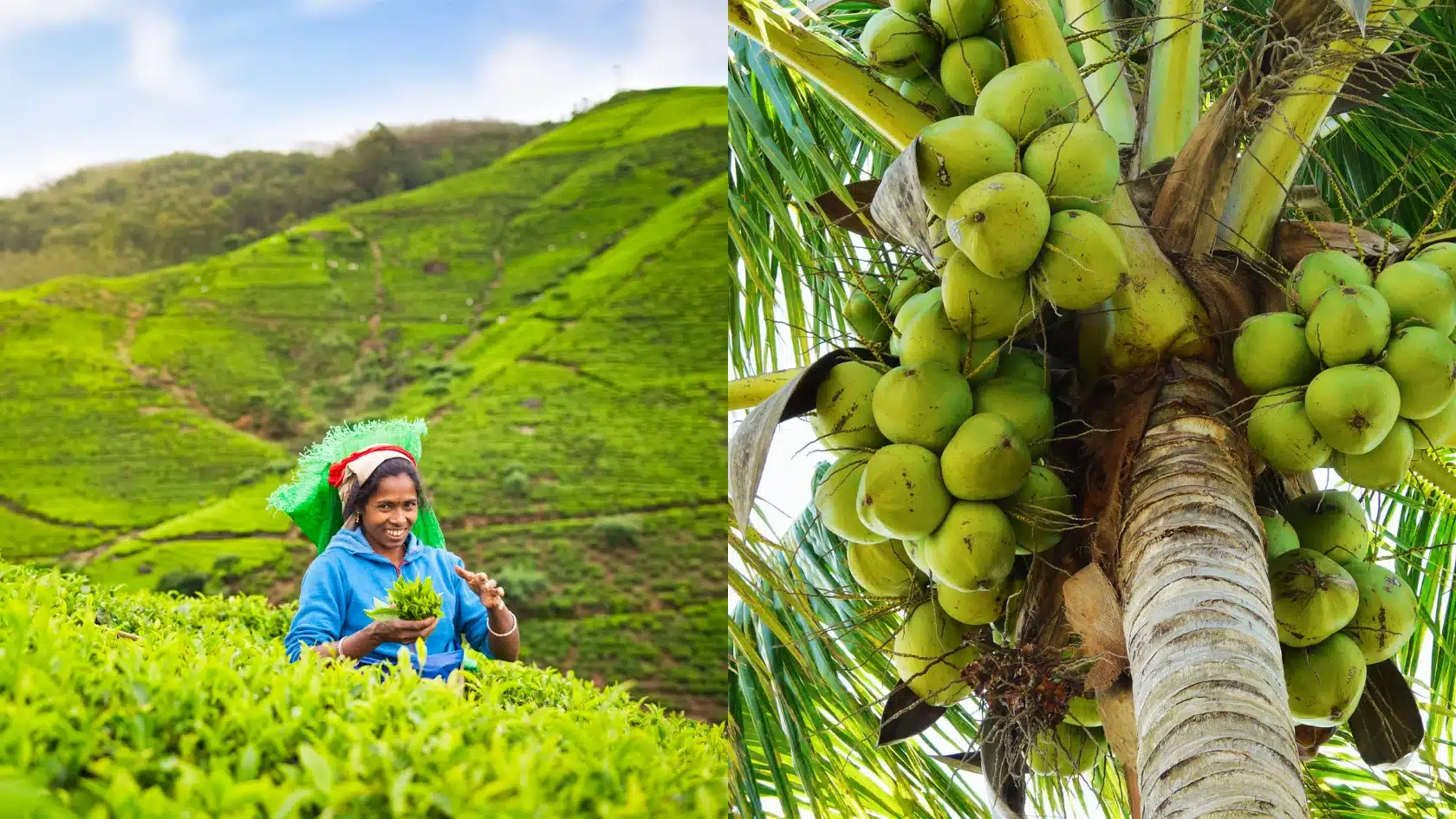
Unlike conventional beach or city tourism, rural tourism emphasizes active participation. Visitors might harvest tea leaves in the highlands, learn traditional rice farming techniques, join a village cooking class, or trek through community-managed forests. It aligns closely with ecotourism and community-based tourism (CBT), prioritizing sustainability, local ownership, and minimal environmental footprint.
Key features include:
- Location in rural settings with authentic character
- Small-scale operations that respect the local environment and culture
- Direct economic benefits flowing to resident families and micro-enterprises
- Experiences that educate visitors about rural heritage while generating supplementary income for farming communities
This model has proven effective globally for revitalizing declining rural economies while meeting modern travelers’ demand for meaningful, responsible travel.
The Growing Importance of Rural Tourism in Sri Lanka
Sri Lanka possesses exceptional rural assets: terraced paddy fields, ancient village tanks, spice gardens, tea estates, and living cultural traditions across the Central Highlands, Uva Province, Eastern Province, and North Central regions. These areas have historically lagged behind coastal tourism hubs in visitor spending and infrastructure.
Rural tourism can address this imbalance. It disperses tourist expenditure to underserved regions, creates year-round employment (reducing seasonality), empowers women and youth through homestays and guiding roles, and incentivizes conservation of biodiversity and heritage. When managed well, it also strengthens food security by linking tourism to local agriculture.
Recent government and partner initiatives recognize this potential. The Sri Lanka Tourism Development Authority (SLTDA) and UNDP have advanced the National Sustainable Tourism Certification (NSTC) scheme, which has certified over 200 small and medium enterprises (SMEs) many of them rural homestays and guesthouses since its pilot phase. These businesses adopt practices in waste management, energy efficiency, water conservation, and community engagement. World Bank support of US$200 million for tourism includes explicit focus on protecting natural and cultural assets while ensuring benefits reach local communities in historically underserved provinces.
Current Status and Emerging Successes in Sri Lanka
Rural tourism in Sri Lanka remains at a developing stage but shows promising momentum through certified homestays and trail-based products. Examples include village homestays in Arugam Bay (such as Mango Villas) and Wewaldeniya, where operators have eliminated single-use plastics, installed solar power, and sourced produce locally boosting household incomes while earning international recognition for sustainability.
A standout national success is the Pekoe Trail, a 300-kilometer walking route through Sri Lanka’s central tea highlands. Developed with support from the European Union and USAID, the trail engages around 60 micro, small, and medium enterprises (MSMEs) along its path. It generates direct employment, particularly for women in guiding, homestay management, and handicraft sales, while preserving traditional tea cultivation knowledge. The trail has won international awards and demonstrates how structured rural products can attract repeat visitors and higher dwell times.
Other community-led models, such as village experiences in Hiriwadunna (near Kandy) and Meemure, allow tourists to participate in buffalo cart rides, traditional herbal medicine sessions, and organic farming delivering authentic immersion with revenue staying in the village.
Despite these bright spots, rural offerings still represent a modest share of total arrivals. Most visitors concentrate in established circuits, limiting broader economic spillover.
Key Challenges Limiting Greater Impact
Several structural barriers prevent rural tourism from achieving its full potential in Sri Lanka:
- Infrastructure gaps: Poor road access, inconsistent electricity and water supply, and limited waste management facilities in remote villages deter both operators and visitors.
- Capacity and skills shortages: Many rural entrepreneurs lack formal training in hospitality standards, digital marketing, financial management, or sustainable practices.
- Marketing and visibility: Rural products often lack professional promotion, online booking systems, or integration into national tourism campaigns, resulting in low awareness among international and even domestic travelers.
- Financial constraints: Small operators struggle to access credit for upgrades needed to meet certification standards or improve guest facilities.
- Policy and coordination issues: Fragmented stakeholder efforts between central government, provincial authorities, NGOs, and private operators sometimes slow implementation.
- Seasonality and leakage: Benefits can leak out through imported supplies or external tour operators unless strong local supply chains are built.
These challenges explain why, despite rising overall arrivals, per-tourist spending has sometimes declined indicating room to shift from volume to deeper, more impactful experiences.
Successful International Examples to Inspire Sri Lanka
Sri Lanka can draw valuable lessons from proven models elsewhere:
- Tra Que Vegetable Village, Vietnam: This community-managed site near Hoi An offers visitors hands-on farming, cooking classes with organic produce, and homestays. Local cooperatives control operations, ensuring nearly all revenue stays within the village. The model has reduced poverty, preserved traditional agriculture, and earned UN Tourism recognition as a Best Tourism Village.
- Chalalán Ecolodge, Bolivia: Owned and operated by the indigenous Quechua-Tacana community in Madidi National Park, the lodge provides jungle experiences with local guides. Profits fund education, health, and conservation projects. It demonstrates how indigenous ownership delivers both cultural authenticity and long-term environmental protection.
- Succiso Village Cooperative, Italy: Facing depopulation, this Apennine community revived its economy through a cooperative running a restaurant, guesthouse, cheese-making workshops, and spa. All 33 members rotate roles, creating 14,000 annual visitors and sustainable livelihoods without external investors.
- Desa Wisata (Tourism Villages) in Bali, Indonesia: Government-supported village programs integrate homestays, cultural performances, and agro-activities under community governance. Many have achieved financial independence while maintaining strong customary (adat) control over resources.
These cases share common success factors: strong community ownership, professional training, targeted infrastructure investment, storytelling-based marketing, and certification or quality assurance systems.
Practical Strategies to Improve Rural Tourism for Maximum Impact in Sri Lanka
To move beyond attracting “quality” tourists toward broader, transformative impact, Sri Lanka should implement a multi-pronged approach:
1. Accelerate Community Ownership and Capacity Building
Expand NSTC training programs to cover 500+ rural SMEs by 2027, focusing on hospitality, English/communication skills, digital literacy, and sustainable operations. Partner with vocational institutes and NGOs to deliver village-level workshops. Establish community cooperatives similar to Succiso for shared marketing and procurement.
2. Targeted Infrastructure Development
Prioritize rural tourism zones in national and provincial budgets for road upgrades, reliable power (solar micro-grids), clean water systems, and waste treatment. Integrate these with existing projects like the Pekoe Trail extension or Eastern Province initiatives. Public-private partnerships can accelerate delivery while ensuring local maintenance.
3. Enhanced Marketing and Product Development
Develop a national “Discover Rural Sri Lanka” campaign using storytelling videos, influencer partnerships, and dedicated booking platforms. Package experiences (e.g., “Tea Trail Homestay + Farming Weekend”) and integrate them into mainstream itineraries. Promote domestically to build resilience against international fluctuations.
4. Strengthen Policy Support and Financing
Introduce targeted incentives: low-interest loans or grants for certified rural homestays, tax breaks for community cooperatives, and streamlined licensing. Update the forthcoming Tourism Act to recognize and regulate rural operators while protecting against over-commercialization.
5. Ensure Environmental and Cultural Sustainability
Mandate carrying-capacity studies for popular rural sites and enforce waste and water management standards. Link tourism revenue to conservation funds (e.g., reforestation or heritage restoration). Encourage “zero-plastic” and organic supply chains to minimize leakages.
6. Foster Multi-Stakeholder Collaboration
Create provincial Rural Tourism Task Forces involving SLTDA, local government, NGOs (such as Solidaridad), and private operators. Leverage international funding (World Bank, UNDP, EU) for pilot scaling in high-potential areas like Uva, Sabaragamuwa, and North Central provinces.
Implementing these measures could realistically double rural tourism’s contribution to national arrivals within five years while generating thousands of direct jobs and supporting agricultural diversification.
Building an Inclusive Tourism Future
Rural tourism represents one of Sri Lanka’s most powerful tools for achieving equitable, sustainable growth. By moving beyond luxury enclaves to genuine village experiences, the country can create deeper economic impact retaining more revenue locally, empowering communities, and differentiating itself in a competitive global market.
The foundations already exist through successful pilots like the Pekoe Trail and NSTC-certified homestays. With focused investment in infrastructure, skills, and marketing guided by community leadership Sri Lanka can transform its rural heartlands into vibrant, resilient tourism destinations.
As this series continues, subsequent articles will explore specific product development, digital marketing tactics, and investment opportunities in tourism. The path forward is clear: when rural communities thrive, Sri Lanka’s entire tourism industry becomes stronger and more future-proof.
Also in Explained | Event-Based Tourism in Sri Lanka: The India-Pakistan T20 Clash Sets a New Benchmark