Summary:
- India will stop purchasing Russian oil and increase imports from the US and possibly Venezuela.
- The US will reduce its reciprocal tariff from 25% to 18%, with both sides working toward zero tariffs and removal of non-tariff barriers.
- As India’s closest neighbour and a country with deep economic ties through the Indo-Sri Lanka Free Trade Agreement, Sri Lanka would feel indirect effects.
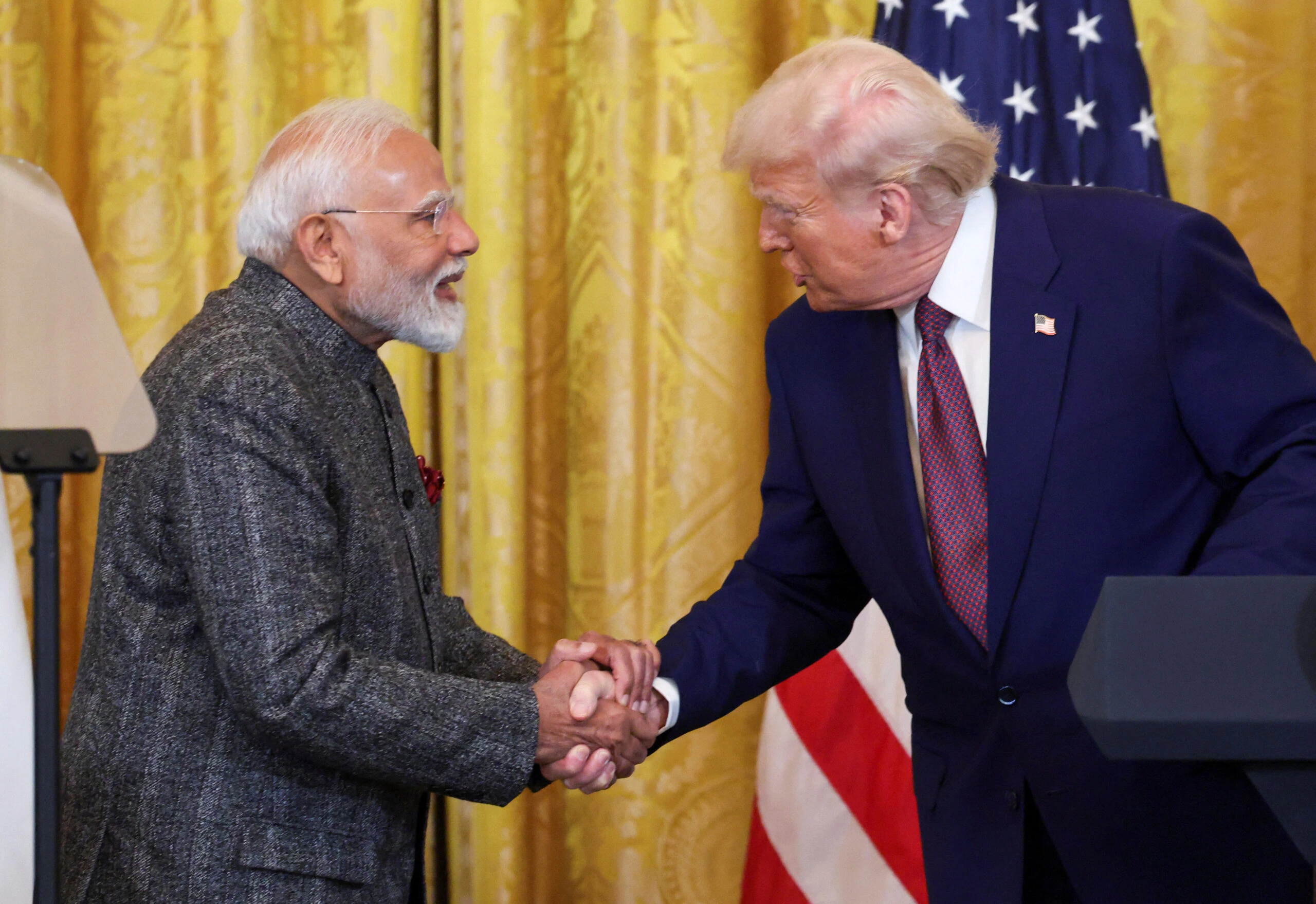
On February 2, 2026, United States President Donald J. Trump published a social media post claiming a phone conversation with Indian Prime Minister Narendra Modi. In the post, Trump stated that the two leaders reached significant agreements on trade and energy purchases, with the goal of strengthening bilateral ties and contributing to ending the Russia-Ukraine war.
According to the post, India agreed to stop buying Russian oil and shift to greater purchases from the United States and potentially Venezuela. In addition, the two countries agreed to a trade deal that lowers reciprocal tariffs and commits India to increased purchases of American products worth over $500 billion in energy, technology, agriculture, coal, and other sectors.
While the announcement came directly from President Trump, official confirmation from the Indian government is still awaited as of February 3, 2026. If implemented, these reported agreements could have important effects on global energy and trade markets. Below is an analysis of the potential impacts.
Also in Explained | The India-EU Free Trade Agreement: What It Means for Global Trade and Sri Lanka’s Economy
Key Elements of the Reported Agreement
- India will stop purchasing Russian oil and increase imports from the US and possibly Venezuela.
- The US will reduce its reciprocal tariff from 25% to 18%, with both sides working toward zero tariffs and removal of non-tariff barriers.
- India committed to a “Buy American” approach, with additional purchases exceeding $500 billion in US goods across multiple sectors.
Impact on Global Energy Markets
India is one of the world’s largest oil importers and has been a major buyer of discounted Russian crude since the start of the Russia-Ukraine conflict. A complete shift away from Russian oil would redirect significant volumes in the global market.
This change could reduce Russia’s oil export revenue, potentially weakening its ability to fund the ongoing war, a point highlighted by President Trump. Russian oil would need to find new buyers, primarily China and other Asian markets, which could deepen discounts for those countries but create short-term supply disruptions elsewhere.
On the supply side, higher Indian demand for US oil would boost American exports, supporting US producers and possibly stabilising or slightly raising global benchmark prices (Brent and WTI). Increased Venezuelan supply, if sanctions are further eased, could add downward pressure on prices by increasing overall global supply.
Overall, the shift would reshape oil trade routes, reduce the flow of discounted Russian oil into the market, and likely lead to higher average prices in the medium term until new supply chains stabilise.
Impact on Global Trade and Commodity Markets
The reported tariff reductions and large-scale Indian commitment to buy American products would markedly increase US exports. Sectors such as technology, agriculture, coal, and energy equipment stand to benefit most.
A $500 billion-plus increase in bilateral trade would help narrow the US trade deficit while giving US companies greater access to India’s fast-growing market. Removal of non-tariff barriers would further open opportunities for American agricultural and industrial goods.
Globally, this could encourage similar bilateral deals and reinforce a trend toward friend-shoring and reduced dependence on certain suppliers. Competing exporters (Eg: Australia for coal, Brazil for agriculture) may face stiffer competition in the Indian market.
Implications for Sri Lanka
As India’s closest neighbour and a country with deep economic ties through the Indo-Sri Lanka Free Trade Agreement, Sri Lanka would feel indirect effects.
Any rise in global oil prices would increase Sri Lanka’s import bill, as the country imports all its petroleum products. This could add pressure on the balance of payments and inflation, especially as the economy continues to recover from the 2022 crisis.
On the positive side, stronger India-US economic ties could bring greater regional stability and investment flows that indirectly benefit Sri Lanka. If India’s economy grows faster due to cheaper access to US technology and goods, demand for Sri Lankan exports (tea, apparel, rubber) to India could rise.
Sri Lanka has also occasionally purchased discounted Russian oil in the past; reduced availability of such discounts could raise fuel costs across South Asia.
How Will the Reported US-India Trade and Energy Agreement Affect Global Markets and Sri Lanka?
The agreements announced by President Trump, if confirmed and implemented, would represent a major realignment in global energy flows and bilateral trade. The most immediate effects would likely be felt in oil markets, with possible upward pressure on prices and reduced revenue for Russia. Longer-term benefits could include stronger US-India economic ties and increased American exports.
For Sri Lanka, the main concern would be higher energy costs, though opportunities could arise from a more prosperous Indian market next door. Businesses and policymakers in Sri Lanka will watch closely for official confirmation and details from both governments.
Also in Explained | Sri Lanka’s FDI Milestone: Urgent Call for Structural Reforms to Sustain Momentum