Iranian vessel presence in Sri Lanka’s Exclusive Economic Zone (EEZ) has become the focus of regional attention after a reported US submarine strike on 4th of March 2026. The episode occurs as Sri Lanka pursues stronger investment inflows following a 72% increase in foreign direct investment to USD 1.057 billion in 2025.
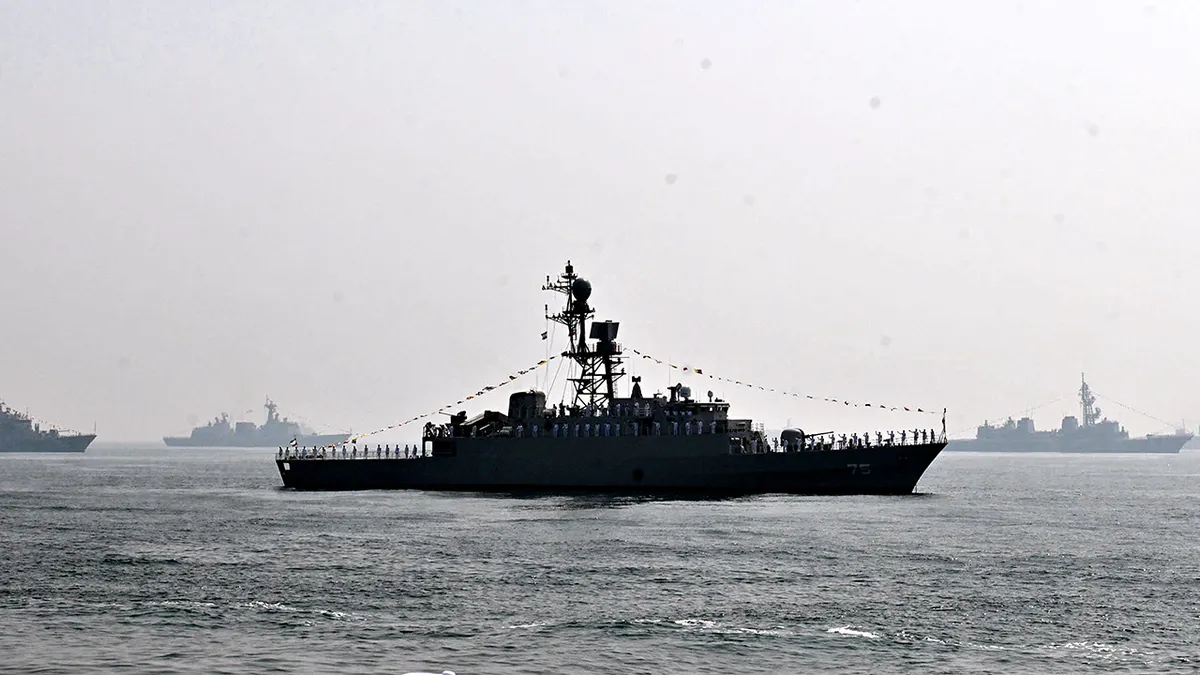
On 4 March 2026, an Iranian naval frigate, IRIS Dena, sank following an incident approximately 40–44 nautical miles off Galle in Sri Lanka’s EEZ. Sri Lanka Navy coordinated search-and-rescue operations in its designated region, recovering bodies and assisting survivors. On 5 March, a second Iranian vessel was reported within the EEZ, prompting government intervention to safeguard lives and regional stability, with the vessel confirmed outside territorial waters.
From Sri Lanka’s perspective, these events highlight the strategic importance of maritime security for a nation positioned at the crossroads of major Indian Ocean trade routes. This neutral analysis examines the potential business and economic effects as the country works to attract investment, strengthen its blue economy, and consolidate recovery from the 2022 crisis, without assigning blame to any external parties.
Also in Explained | How Is the Middle East Conflict Affecting Sri Lanka’s 2026 Tourism Targets?
Understanding the Incident of Iranian Vessel Within Sri Lanka’s Maritime Zone
Sri Lanka’s EEZ extends up to 200 nautical miles from its coastline, granting sovereign rights over resources such as fisheries, oil, gas, and minerals, while imposing responsibilities under the United Nations Convention on the Law of the Sea (UNCLOS) for search-and-rescue operations and environmental protection. The incidents occurred outside Sri Lanka’s 12-nautical-mile territorial waters but within this broader EEZ, where the country has a duty to respond to vessels in distress.
Sri Lanka Navy vessels provided immediate humanitarian assistance, aligning with the nation’s long-standing role as a responsible maritime actor. The government has emphasised full intervention to protect lives and maintain stability, consistent with international obligations. No disruption to commercial shipping lanes or port operations has been reported so far.
This situation serves as a timely reminder of Sri Lanka’s geographic vulnerability and the need for robust maritime domain awareness, especially as the country positions itself as a preferred investment destination in South Asia’s blue economy.
Direct Impacts on Maritime Trade, Shipping, and Logistics Businesses
Colombo Port, one of South Asia’s busiest transshipment hubs, handled record volumes in 2025 partly due to rerouting from other global disruptions. Any perceived increase in risk in nearby waters could affect shipping lines, insurers, and port operators.
Marine insurance premiums and war-risk surcharges often rise following incidents in high-traffic zones, as seen during earlier Red Sea challenges. Even a short-term elevation could increase freight costs for exporters of apparel, tea, and rubber key foreign exchange earners and for importers of fuel and raw materials.
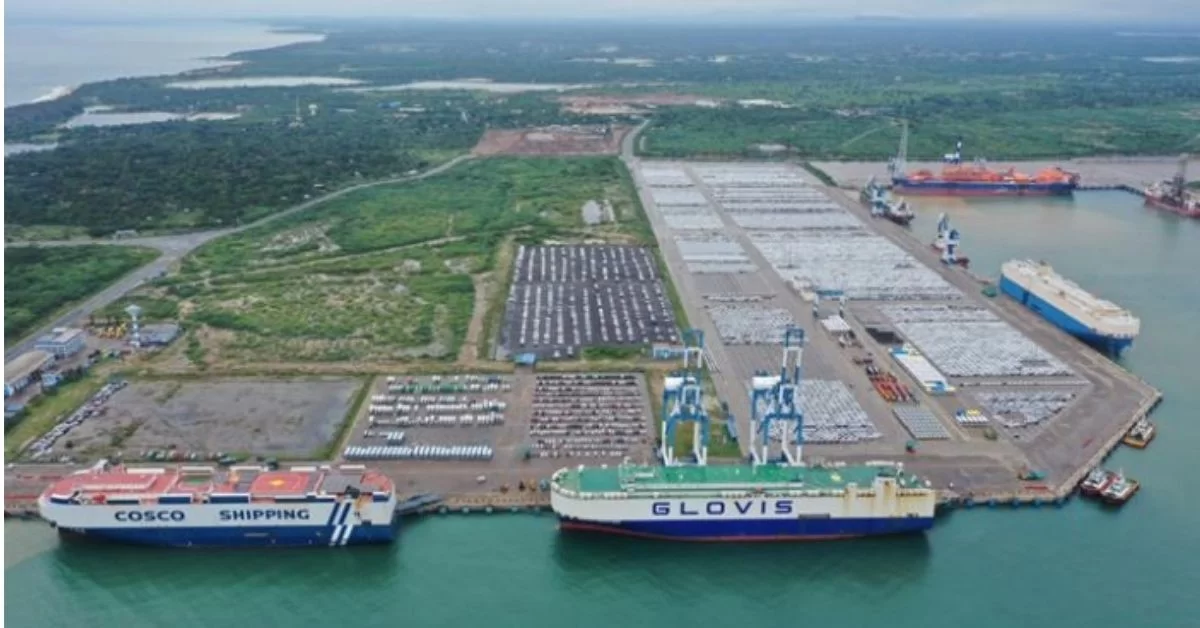
Logistics firms and freight forwarders may face higher operational expenses or minor delays if vessels adjust routes or await clearer security assessments. Colombo Port City and Hambantota developments, which have attracted significant FDI in port-related infrastructure, depend on investor confidence in safe and predictable maritime environments.
Small and medium enterprises (SMEs) in fisheries and coastal tourism could experience indirect effects if fishing grounds or visitor perceptions are temporarily influenced. However, the incidents remain contained, and Sri Lanka’s prompt response demonstrates operational readiness that can reassure commercial stakeholders.
Risks to Foreign Investment Confidence and Broader Economic Recovery
Sri Lanka is actively promoting itself as a stable, investor-friendly destination through initiatives such as the Board of Investment’s 2026 targets and the Blue Economy Vision 2030. Key sectors targeted for FDI include manufacturing (46% of 2025 inflows), port development (26%), and tourism.
Geopolitical developments in the Indian Ocean can influence investor risk assessments. Potential delays in planned investments in energy, logistics, or marine resources could arise if international partners seek greater clarity on maritime security protocols.
Tourism, which contributed to strong arrivals in early 2026, remains sensitive to global perceptions of safety. While no travel advisories directly linked to these events have affected Sri Lanka, any escalation in regional tensions could indirectly impact high-spending visitors and related businesses such as hotels, airlines, and service providers.
On the positive side, Sri Lanka’s effective handling of the rescue operation underscores the professionalism of its institutions, potentially strengthening its appeal as a reliable partner for international cooperation in maritime security, disaster response, and blue-economy projects.
The broader recovery context remains encouraging: gross official reserves stand above USD 6.8 billion, inflation is moderating, and the rupee has shown stability. These foundations provide resilience against short-term external shocks.
Strategic Considerations and Pathways for Resilience
For Sri Lankan businesses and policymakers, the incidents highlight the importance of proactive measures to safeguard economic gains:
- Enhanced Maritime Security Framework: Continued investment in navy capabilities, surveillance technology, and international partnerships can position Sri Lanka as a secure hub for trade and investment.
- Diversification of Economic Drivers: Accelerating growth in non-maritime sectors such as ICT, renewable energy, and value-added manufacturing reduces reliance on any single geographic exposure.
- Investor Communication: Transparent updates from the Board of Investment and government authorities can help maintain confidence among current and prospective FDI partners.
- Blue Economy Opportunities: Sri Lanka’s vast EEZ offers untapped potential in sustainable fisheries, offshore energy, and marine tourism. Framing the country as a responsible steward of these resources can attract long-term green investments.
Businesses are advised to review contingency plans for supply-chain disruptions and insurance coverage while continuing normal operations. The government’s focus on diplomatic coordination and humanitarian priorities supports a stable environment for commerce.
Maintaining Momentum in Sri Lanka’s Economic Journey
The recent events in Sri Lanka’s EEZ represent a contained maritime incident rather than a broad threat to national security or economic stability. From a Sri Lankan business perspective, they underscore the critical link between maritime safety and economic progress but do not alter the fundamental positive trajectory of recovery.
With targeted FDI inflows on track, improving macroeconomic indicators, and a clear vision for the blue economy, Sri Lanka remains well-positioned to attract quality investments. By reinforcing maritime governance, communicating effectively with investors, and diversifying growth drivers, the country can navigate external developments while advancing toward sustainable prosperity.
Business leaders and investors are encouraged to view Sri Lanka’s professional response as evidence of institutional strength and commitment to a predictable, secure operating environment, essential qualities for long-term partnerships in South Asia’s dynamic market.
Also in Explained | What is Rural Tourism and How Can Sri Lanka Improve It for Greater Impact?