The year 2020 marked a turning point for Sri Lanka’s vehicle import sector. In March 2020, amid the global COVID-19 pandemic, the government introduced temporary restrictions on importing vehicles. This measure, initially framed as a short-term response to preserve foreign exchange, evolved into a prolonged ban that lasted nearly five years.
The primary reason was the acute shortage of foreign reserves. The pandemic disrupted tourism, a key revenue source, while remittances slowed and exports faced challenges. The Central Bank suspended opening letters of credit for non-essential imports, including vehicles, under Banking Act Directions.
This suspension targeted luxury and personal vehicles, aiming to prioritize essentials like food, fuel, and medicine. In 2019, vehicle imports had consumed $1.4 billion in forex, a significant outflow for a small economy.
As the pandemic eased, the ban persisted due to deepening economic woes. By 2021-2022, Sri Lanka faced its worst crisis since independence: inflation soared, shortages emerged, and debt default occurred in 2022.
The vehicle import ban became a cornerstone of forex conservation
Extended repeatedly through gazettes and directives, it prohibited most new imports, except limited categories like ambulances or special permits.
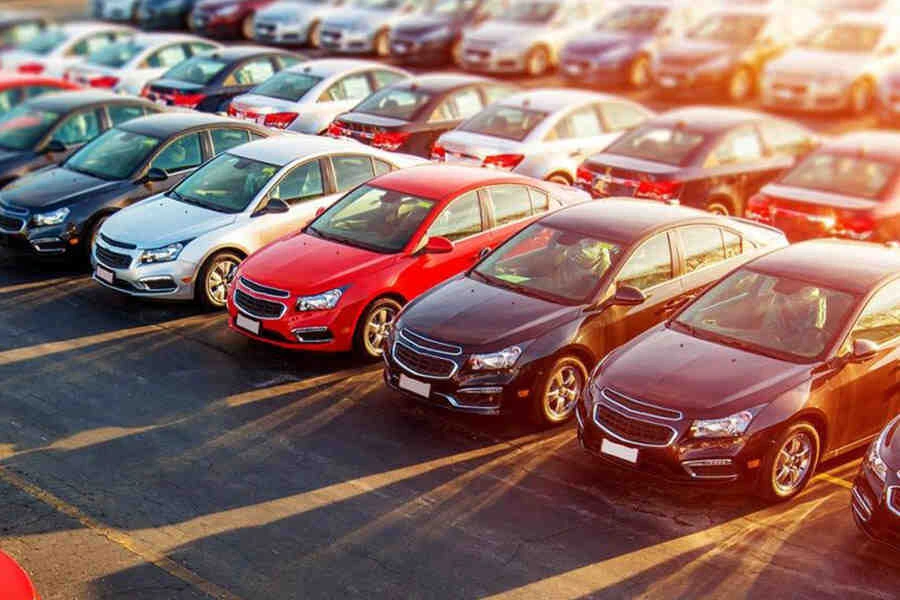
Impacts were profound. The used vehicle market exploded in prices. Pre-owned cars, once affordable, doubled or tripled in value due to zero new supply. A typical sedan that cost Rs. 5-7 million new became Rs. 10-15 million used. New registrations plummeted. The Department of Motor Traffic reported sharp declines, with the fleet aging rapidly. Maintenance costs rose as parts imports also faced restrictions.
The automotive industry suffered. Dealers closed showrooms, staff lost jobs, and related businesses like financing and insurance contracted. Public transport strained under increased demand, but without new buses or vans, service quality declined.
Environmentally, the ban had mixed effects. Fewer new vehicles meant slower fleet renewal, keeping older, polluting models on roads longer. Emission standards enforcement weakened.
Black market activities emerged. Some exploited loopholes, like duty-free permits for public servants or returning migrants, though tightly controlled. Socially, vehicle ownership dreams delayed for many. Middle-class families postponed purchases, opting for motorcycles or public transport. Government revenue from vehicle taxes dried up initially, though used vehicle transfers generated some stamp duties.
The ban highlighted import dependence vulnerabilities. Policymakers argued it protected reserves, enabling debt restructuring and IMF support in 2023-2024. Critics contended it exacerbated hardships, inflating transport costs and hindering mobility. During the crisis peak in 2022, fuel queues and power cuts compounded issues, making any vehicle valuable.
Local assembly ideas resurfaced, but lacked investment amid instability. By 2024, as stabilization efforts progressed, discussions on phased lifting began. The ban’s duration reflected severe forex constraints, saving billions but at high domestic cost.
It underscored needs for diversified exports and efficient import management. The period reshaped consumer behavior, with many appreciating vehicle value more. As reserves improved gradually, pressure mounted to reopen imports cautiously. This era of restriction contrasted sharply with pre-2020 openness, teaching lessons on economic resilience.
Also in Explained | The Evolution of Vehicle Imports in Sri Lanka: A Look Back Before the Economic Crisis