Sri Lanka has long had a deep connection with motor vehicles, reflecting the island’s growing economy and rising middle class. For decades, importing cars, SUVs, vans, and motorcycles was a common practice, driven by consumer demand for modern transportation. Before the major disruptions of 2020, vehicle imports played a significant role in the country’s trade landscape, contributing to both convenience for citizens and challenges for the economy.
In the early 2000s and 2010s, Sri Lanka experienced a boom in vehicle registrations. The number of vehicles on the road grew rapidly as economic growth averaged around 5-6% annually in many years. By 2019, the total vehicle fleet had expanded dramatically from earlier decades. In the 1970s, there were just over 200,000 cars registered nationwide, but by the late 2010s, this figure had multiplied several times over, with hundreds of thousands of new registrations each year.
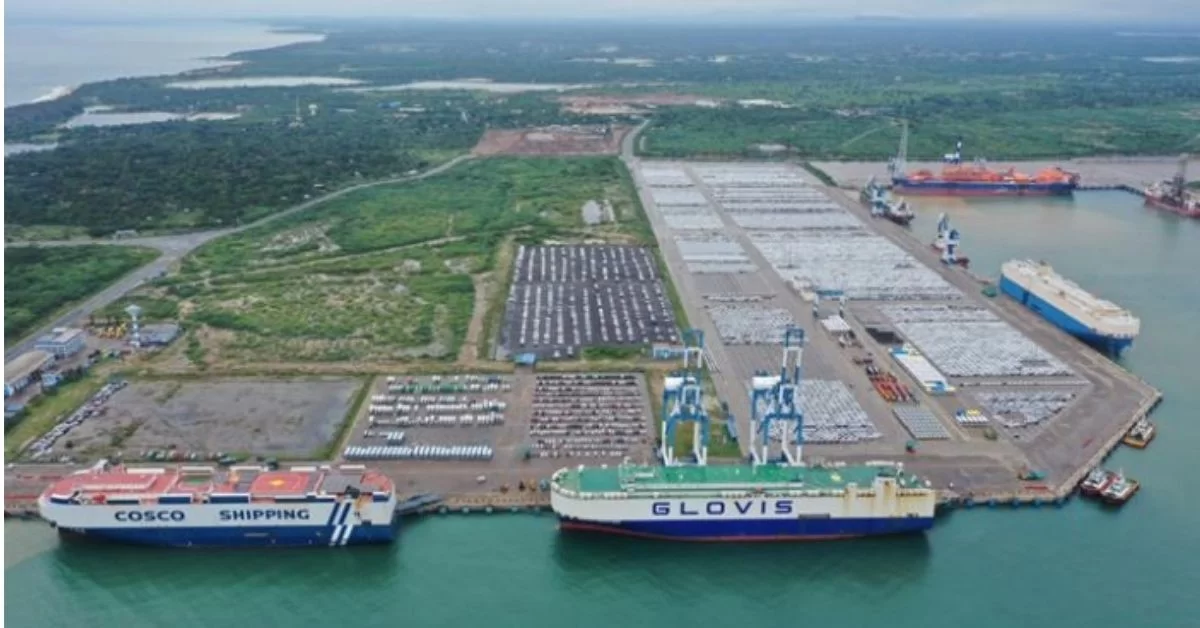
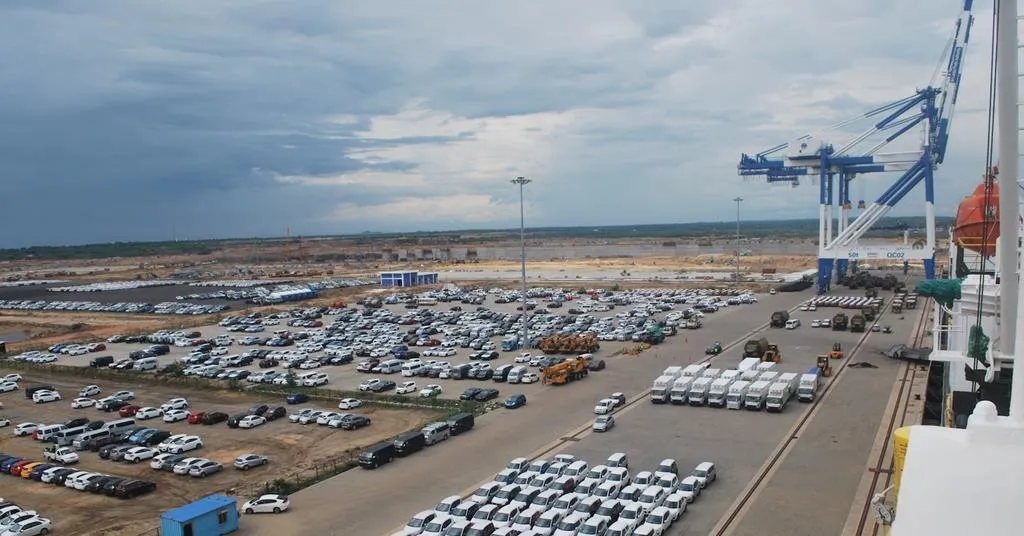
Vehicle imports were primarily from Japan, India, and other Asian markets, focusing on brands like Toyota, Honda, Suzuki, and Nissan. Used Japanese vehicles dominated the market due to their reliability, affordability after depreciation, and availability through established exporters. New vehicles, including luxury brands, also entered through authorized dealers. The process involved opening letters of credit through banks, clearing customs with duty payments, and registering with the Department of Motor Traffic.
Taxes on vehicle imports were already substantial even before the crisis
Customs duties, excise duties, VAT, and other levies often doubled or tripled the original cost of the vehicle. For instance, excise duties varied based on engine capacity, fuel type, and vehicle category, ranging from 50% to over 200% in some cases. A small petrol car under 1,000cc might attract lower rates, while larger SUVs or hybrids faced higher brackets to discourage fuel-intensive imports. Ports and Airports Development Levy (PAL) and other charges added further costs. Despite these high taxes, demand remained strong.
In 2018 and 2019, vehicle imports reached peak levels. The country spent approximately $1.4 billion on vehicle imports in 2019 alone, making it one of the largest import categories after fuel and machinery. This influx supported a vibrant automotive market, with showrooms proliferating in Colombo and other cities. Importers, both large companies and individual agents, facilitated the process, often catering to specific preferences like right-hand drive configurations suitable for Sri Lankan roads.
Also in Explained | Sri Lanka’s Participation in Indian Ocean Coastal Alliance: Enhancing Sustainable Tuna Fisheries for Business Growth
The liberal import policy stemmed from post-war economic liberalization. After the end of the civil conflict in 2009, the government encouraged consumption to stimulate growth. Vehicle ownership became a symbol of progress, with many families upgrading from motorcycles to cars. Public transport improvements lagged, making personal vehicles essential for daily commutes, especially in urban areas like Colombo where traffic congestion was already a growing issue.
However, this open policy had downsides. Heavy reliance on imported vehicles drained foreign reserves. Sri Lanka‘s balance of payments faced pressure as outflows for vehicles competed with essential imports like medicine and food. Environmental concerns also emerged, with increasing emissions from older imported models contributing to air pollution in cities. Road infrastructure struggled to keep pace, leading to accidents and congestion.
Government attempts to regulate included periodic tax hikes and age restrictions on used vehicles (typically not older than 3-5 years). Hybrid and electric vehicles received incentives with lower duties to promote greener options, though adoption was slow due to limited charging infrastructure.
By late 2019, signs of economic strain were evident. Rising debt, declining tourism, and remittance fluctuations weakened reserves. Vehicle imports continued unabated, with thousands cleared monthly. Dealers stocked up, anticipating demand during festive seasons.
This pre-crisis era represented a time of relative freedom in vehicle acquisition. Buyers could choose from a wide range, finance through banks, and enjoy new models quickly. The market was competitive, keeping prices somewhat in check despite taxes.
Yet, this unrestricted flow set the stage for future restrictions. The heavy forex expenditure on non-essential imports like vehicles became a vulnerability when external shocks hit.
The automotive sector employed thousands indirectly through sales, servicing, and accessories. Spare parts imports boomed alongside vehicles.
Cultural aspects also played a role. Owning a modern vehicle signified status, leading to preferences for feature-rich models even at high costs.
As the decade closed, few anticipated the drastic changes ahead. The COVID-19 pandemic in early 2020 would trigger the first restrictions, marking the end of an era of open vehicle imports.
Understanding this historical context helps appreciate the shifts that followed. The pre-crisis period highlighted both the benefits of access to global vehicles and the risks of over-dependence on imports.
Today, reflecting on those years provides insights into sustainable policies balancing consumer needs with economic stability.
Also in Explained | Sri Lanka Targets UAE Investors with Generous Tax Holidays and Bold ‘Next Dubai’ Vision