The year 2025 marked a dramatic turning point for electric vehicles (EVs) in Sri Lanka. Following the lifting of the long-standing vehicle import ban in February 2025, EVs suddenly captured the imagination of Sri Lankan consumers like never before. What was once a niche interest exploded into mainstream demand, with electric models accounting for a remarkable 10% of total passenger vehicle imports throughout the year. This surge was fueled primarily by affordable Chinese brands such as BYD, MG, and others, which flooded the market with modern, feature-packed options at competitive post-tax prices.
The appeal was immediate and multifaceted. High fuel prices during and after the economic crisis had made traditional petrol and diesel vehicles expensive to run, while electricity despite occasional tariffs remained relatively cheaper for daily charging. Social media buzz, showroom promotions, and word-of-mouth stories of low running costs amplified the hype. Families and young professionals alike saw EVs as a smart, future-proof choice: environmentally friendly, technologically advanced, and potentially economical over time.
Also in Explained | Global Sources Dominating Sri Lanka’s Vehicle Imports: Key Countries, Business Networks, and Emerging Risks in 2026
However, this enthusiasm often led buyers to stretch beyond their financial means. Many opted for higher-spec models or took substantial bank loans, enticed by projections of massive savings on fuel. Initial purchase prices, even with concessional duties for electrics, frequently exceeded Rs. 10-15 million for popular SUVs and sedans. Reports emerged of buyers facing repayment struggles when real-world costs like home charging setup or unexpected maintenance did not align with overly optimistic expectations. The rush mirrored the broader post-ban vehicle buying frenzy, but EVs stood out due to their perceived long-term affordability masking steep upfront commitments.
This rapid adoption highlighted both the promise and pitfalls of EVs in Sri Lanka’s context. As the market enters 2026, understanding the pros, cons particularly infrastructure challenges and strategies to mitigate drawbacks becomes essential for sustainable growth.
Pros of Electric Vehicles in Sri Lanka
EVs offer compelling advantages that align well with the country’s economic and environmental needs. First and foremost are the operational savings. Electricity costs significantly less than imported fossil fuels, allowing owners to cover substantial daily mileage at a fraction of traditional vehicle expenses. For urban commuters in Colombo or suburbs, this translates to thousands of rupees saved monthly, offsetting higher initial investments over 4-6 years.
Environmentally, EVs contribute to reduced emissions in a nation grappling with air pollution in cities. With Sri Lanka’s electricity grid increasingly incorporating renewables hydropower and growing solar EVs indirectly lower the carbon footprint compared to petrol counterparts. This supports national commitments to greener transport.
On a macroeconomic level, widespread EV adoption helps conserve foreign exchange. Sri Lanka spends billions annually on oil imports; shifting to electrics reduces this outflow, freeing reserves for other priorities. The quiet, smooth driving experience, instant torque, and advanced features like regenerative braking enhance user satisfaction, particularly in congested traffic.
Government policies have indirectly boosted pros through lower excise duties on electrics compared to high-engine-capacity fossils, making certain models more accessible. Brands like BYD established dedicated networks, offering warranties and service support that build consumer confidence.
Cons and Infrastructure Challenges
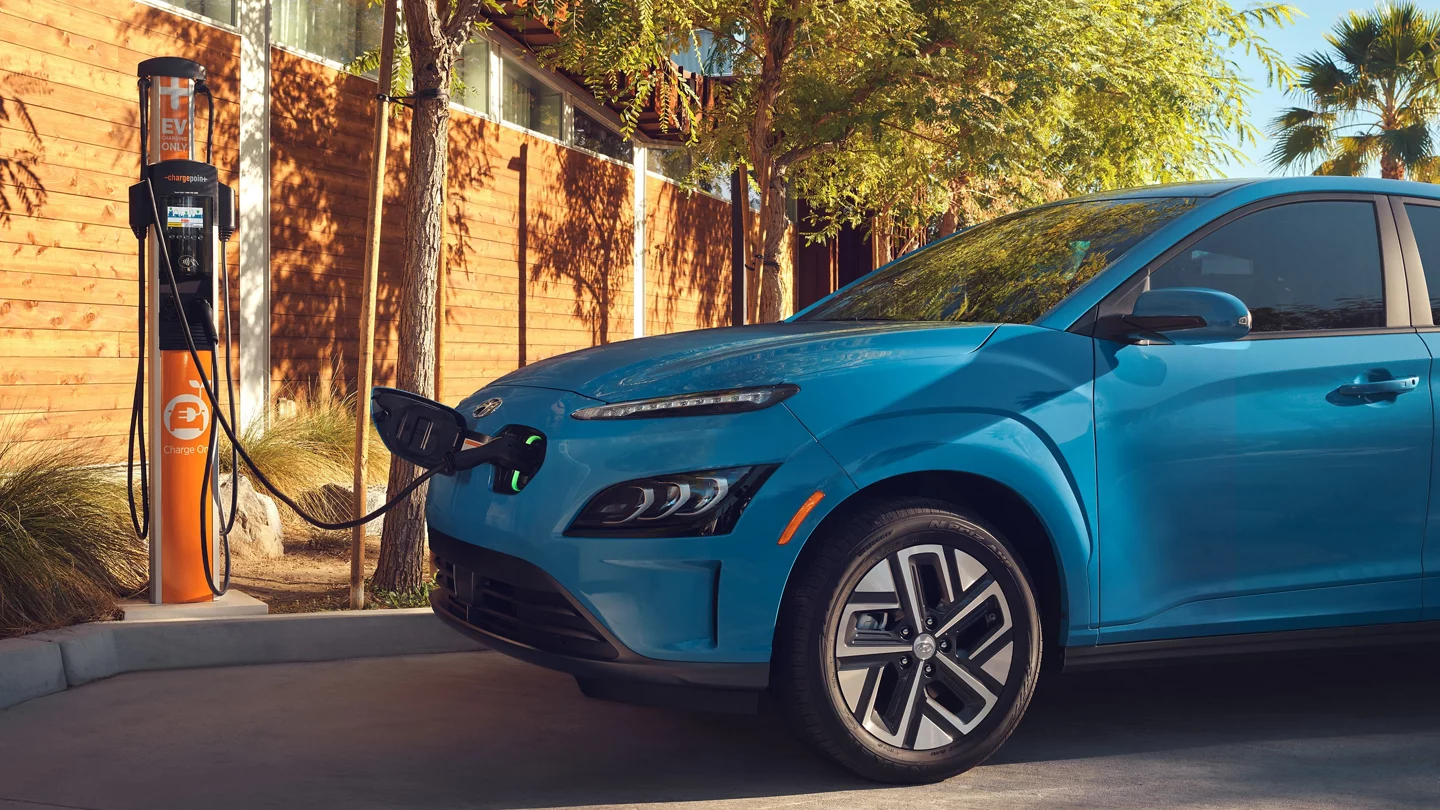
Despite the excitement, significant hurdles persist, chief among them inadequate charging infrastructure. As of early 2026, public charging stations remain sparse, concentrated mainly in Colombo and a few urban centers. Highway networks and rural areas lack reliable fast chargers, creating severe range anxiety for intercity or long-distance travel. Most EVs offer 300-500 km per charge under ideal conditions, but real-world factors like heat, air conditioning use, and road conditions often reduce this, making trips beyond city limits risky without careful planning.
The national grid poses another challenge. Historical power instability and peak demand issues raise concerns about widespread EV charging straining the system. Uncoordinated home charging during evenings could exacerbate load imbalances, potentially leading to outages or higher tariffs.
High upfront costs remain a barrier, even if running expenses are low. Battery replacement though rare within warranty periods can be prohibitively expensive. Safety concerns, including difficulties extinguishing EV battery fires due to their location and chemistry, have been noted by experts, with local firefighting capabilities not yet fully adapted.
Parts availability and technician expertise lag for newer Chinese models, leading to delays in repairs. Battery disposal and recycling infrastructure is virtually nonexistent, posing future environmental risks. Additionally, the rapid influx of imports has outpaced regulatory updates, resulting in inconsistencies in standards and consumer protections.
Reducing the Cons: Practical Pathways Forward
Addressing these challenges requires coordinated efforts from government, private sector, and consumers. Expanding charging infrastructure is priority one. The Ceylon Electricity Board has announced plans for solar-powered stations with incentive tariffs, which could leverage abundant sunlight to create off-grid solutions. Partnerships, including potential Chinese investments in nationwide networks, promise faster rollout. Private players like supermarkets, hotels, and fuel stations are already installing chargers; incentives such as tax breaks for hosts could accelerate this.
Smart charging technologies offer grid relief. Time-of-use tariffs encouraging off-peak charging, combined with vehicle-to-grid capabilities in future models, can balance loads. Home solar integration subsidized for EV owners reduces reliance on the main grid and cuts costs further.
To enhance affordability and prevent overcommitment, financial education campaigns can highlight total ownership costs, including insurance and depreciation. Banks could offer tailored EV loans with realistic projections. Government might expand duty concessions or introduce scrappage schemes for old vehicles.
Regulatory catch-up is crucial: Updating standards for safety, battery recycling, and charger interoperability ensures long-term sustainability. Training programs for mechanics and emergency responders build local capacity.
Public-private collaborations, like those seen with brand-specific networks, should extend to universal fast-charging corridors along major highways. Community apps mapping available chargers, similar to existing initiatives, improve usability.
By proactively tackling infrastructure gaps, Sri Lanka can transform the EV surge into a resilient, inclusive mobility shift. The 2025 enthusiasm demonstrates demand; thoughtful mitigation of cons will determine if EVs become a true game-changer for sustainable transport.
As adoption continues into 2026, balanced growth prioritizing accessible infrastructure and informed choices will help more Sri Lankans enjoy EV benefits without undue risks.
Also in Explained | Buyer’s Guide: Verifying Imported Vehicles in Sri Lanka and Avoiding Import Fraud