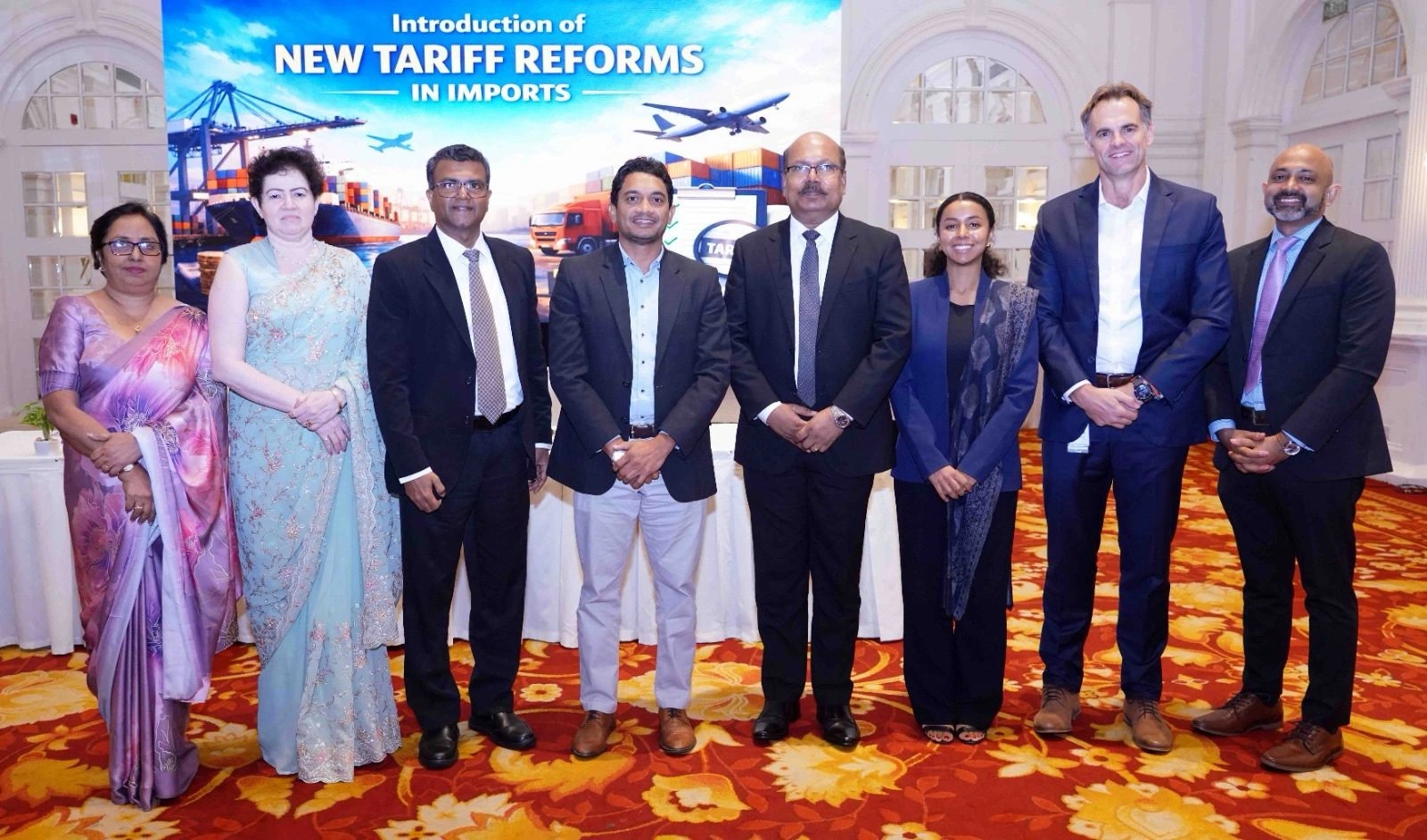
Sri Lanka has officially begun stakeholder engagement on proposed tariff reforms as part of the 2026 Budget proposals, marking a significant move to reshape the nation’s production economy and enhance export performance. The initiative, announced through a consultative programme on February 10 at the Galle Face Hotel, focuses on introducing a simplified Four-Band Tariff Policy designed to promote domestic value addition, improve competitiveness, and ensure long-term fiscal sustainability.
Led jointly by the Ministry of Finance, Planning and Economic Development and the Ministry of Industry and Entrepreneurship Development, in collaboration with the World Bank and other institutions, this reform addresses longstanding issues in the country’s tariff structure. Deputy Minister Chathuranga Abeysinghe highlighted the process as essential for building a transparent, rules-based system that prioritizes production over protectionism and competitiveness over complexity.
For businesses and investors, these consultations signal a proactive approach to creating a more favorable trade environment, potentially unlocking opportunities in manufacturing, exports, and foreign direct investment.
Also in Explained | Sri Lanka Set to Introduce Three Key Laws in Early 2026 to Attract Private Capital and Drive Sustainable Growth
The Proposed Four-Band Tariff Policy – Key Features and Objectives
The core of the reform is the introduction of a Four-Band Tariff Policy, aligned with the United Nations Broad Economic Classification (BEC) Revision 5. This framework aims to bring international consistency, simplification, and clarity to Sri Lanka’s customs duties, moving away from a fragmented system that has evolved over decades.
Key objectives include:
- Strengthening domestic value addition by encouraging local processing and reducing reliance on raw imports.
- Improving export competitiveness through lower input costs for exporters.
- Reducing distortions caused by para-tariffs, such as cesses and the Ports and Airport Development Levy (PAL).
- Ensuring fiscal sustainability by streamlining revenue collection without excessive burdens.
- Facilitating trade while supporting industrial growth in strategic sectors.
The policy represents a structural shift toward supporting a production-oriented economy. By minimizing distortions and promoting clarity, it addresses barriers that have historically hindered efficiency in supply chains and increased costs for businesses.
Stakeholder Engagement – Inclusive Dialogue for Effective Reform
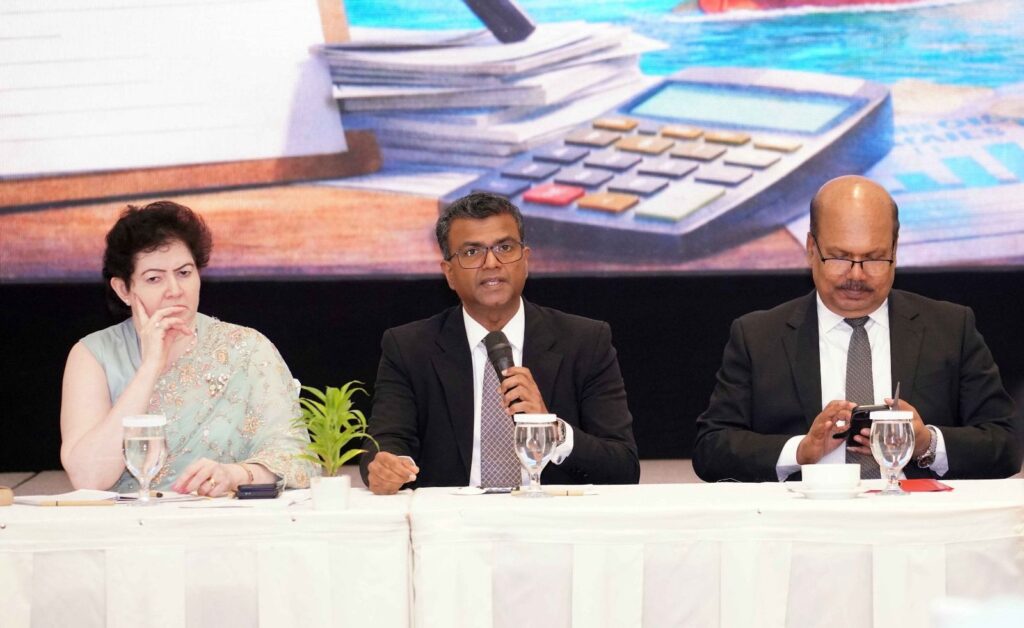
The February 10 awareness and consultative programme, organized by the Department of Trade and Investment Policy, brought together a wide range of participants. Attendees included Treasury Secretary Dr. Harshana Suriyapperuma, Secretary to the Ministry of Trade K.A. Vimalenthirarajah, Secretary to the Ministry of Industry Thilaka Jayasundara, World Bank Senior Economist Richard Walker, senior Treasury officials, members of the National Tariff Policy Committee, representatives from the Industry Advisory Committee, and trade chambers.
This collaborative approach underscores the government’s commitment to policy reform through dialogue. As emphasized during the event, reforms cannot succeed in isolation, they require input from industry stakeholders to ensure practicality and broad acceptance.
Ongoing consultations will gather feedback to refine the proposals, fostering ownership among businesses and contributing to smoother implementation.
Business Implications – Boosting Competitiveness and Attracting Investment
For the private sector, the tariff reforms hold substantial promise. Exporters in key industries such as apparel, tea, rubber products, and value-added agriculture stand to benefit from reduced input costs and fewer distortions, enabling better pricing in global markets.
Manufacturers will gain from incentives for domestic value addition, encouraging investments in processing facilities and technology upgrades. The removal or reduction of para-tariffs is particularly significant, as these have often inflated costs unpredictably, affecting planning and profitability.
In a broader sense, a simplified and transparent tariff structure enhances Sri Lanka’s appeal as an investment destination. Foreign investors evaluating opportunities in export-oriented manufacturing or supply chain integration will find a more predictable environment, aligning with global best practices.
The alignment with BEC Revision 5 facilitates easier compliance for international traders, potentially increasing trade volumes and attracting joint ventures. Sectors like food processing, electronics assembly, and light manufacturing could see renewed interest, supporting job creation and economic diversification.
Fiscal sustainability aspects ensure that reforms do not compromise government revenue, providing stability that reassures long-term investors.
Aligning with Broader Economic Goals
These tariff changes fit into Sri Lanka’s ongoing efforts to transition toward export-led growth. By addressing structural weaknesses in the trade regime, the policy supports ambitions for industrial upgrading and integration into global value chains.
The involvement of the World Bank highlights international support for these reforms, adding credibility and access to technical expertise. This collaboration can help benchmark the Four-Band Policy against successful models in peer economies, maximizing effectiveness.
For small and medium enterprises (SMEs), which form the backbone of Sri Lanka’s economy, simplified tariffs reduce administrative burdens and costs, leveling the playing field against larger competitors.
Challenges and the Path Forward
While the reforms are ambitious, successful implementation will depend on addressing stakeholder concerns during consultations. Balancing protection for nascent industries with openness for competitiveness remains key.
The shift from a fragmented to a rules-based system requires strong enforcement and monitoring to prevent reversals. Continued dialogue will be crucial to mitigate any short-term adjustments for affected sectors.
As consultations progress, businesses are encouraged to actively participate, providing insights that shape a policy tailored to real-world needs.
A Foundational Step for Sustainable Prosperity
The commencement of stakeholder engagement on tariff reforms represents a foundational step in Sri Lanka’s economic transformation. By focusing on simplification, value addition, and export competitiveness, the proposed Four-Band Tariff Policy has the potential to drive inclusive growth and position the country as a more attractive hub for trade and investment.
For exporters, manufacturers, and investors, this initiative offers a clearer path forward in a stabilizing economy. As Deputy Minister Abeysinghe noted, the production economy Sri Lanka envisions will require structural reform, clarity, and collective commitment, this process embodies that vision.
Monitoring developments from these consultations will be essential for stakeholders planning in trade-dependent sectors. With international alignment and inclusive input, these reforms could mark a turning point toward sustained industrial and export growth.

(Disclaimer: This article is for informational purposes only and does not constitute business or investment advice. Policy reforms are subject to ongoing consultations and legislative processes.)
Also in Explained | What Changes Are Planned for Sri Lanka’s Import Tariff Policy in 2026?