How Sri Lanka’s trade diversification strategy could unlock new markets lies at the heart of the country’s long-term economic resilience and export ambitions. With traditional markets such as the United States and European Union still accounting for nearly half of merchandise exports, over-reliance on a narrow set of partners and products leaves the economy exposed to global shocks. The National Export Development Plan (NEDP) and the broader National Export Strategy (NES) for 2026–2030 explicitly target this vulnerability by maintaining core strengths in tea, apparel, rubber and coconut while aggressively expanding into higher-value products and emerging markets across Asia, the Middle East, Africa and ASEAN.
Early 2026 data already shows promising results: services exports grew 15.95% in January–February, coconut-based products surged 27.86%, and non-traditional segments such as electronics and processed foods posted solid gains. For exporters, investors and policymakers, this strategy is not merely defensive.. it is a proactive roadmap to capture new demand, reduce volatility and move Sri Lanka closer to its US$ 20 billion annual export target for 2026 and the longer-term goal of US$ 36 billion by 2030.
Also in Explained | Why Tea and Coconut Exports Are Rebounding – Diversification Success Stories
Reducing Over-Reliance: The Core Challenge and Strategic Response
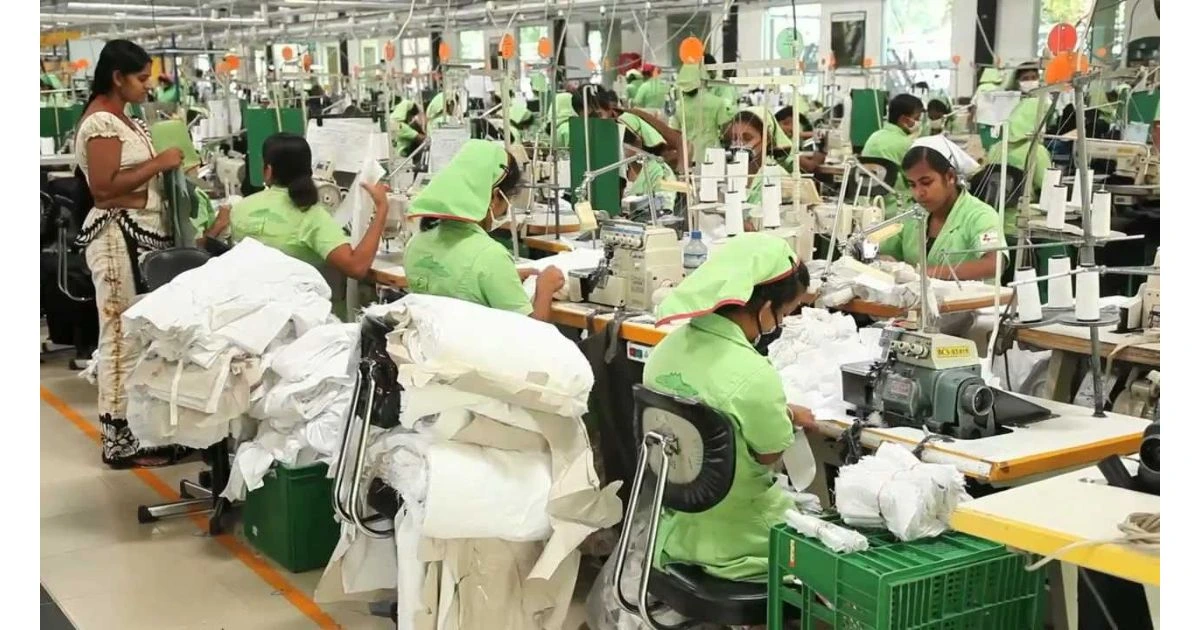
Sri Lanka’s export basket has historically been concentrated in a handful of categories and destinations. Apparel, tea, rubber products and coconut together dominate merchandise exports, while the United States and European Union together absorb close to 50% of total shipments. This concentration creates structural vulnerability: a slowdown in Western consumer demand, as seen in apparel’s 11.46% decline in February 2026, or disruptions in key shipping lanes can quickly translate into lost revenue and jobs.
The National Export Development Plan addresses this head-on through three strategic pillars: enhancing trade competitiveness, strengthening global and regional linkages, and promoting sustainable growth. Product diversification focuses on moving up the value chain within traditional sectors, for example, shifting from raw coconut to high-value coconut oil, desiccated coconut and coconut milk powder; while introducing entirely new growth areas such as automotive components, electronics, processed foods, spices, minerals and gems & jewellery.
Market diversification aims to lower dependence on the US and EU by expanding into fast-growing regions. These efforts are supported by digital tools, exporter development programmes and policy incentives that encourage SMEs to explore non-traditional markets. The result is a deliberate rebalancing that protects against external shocks while opening fresh revenue streams.
Product Diversification: Moving from Commodities to Higher-Value Offerings
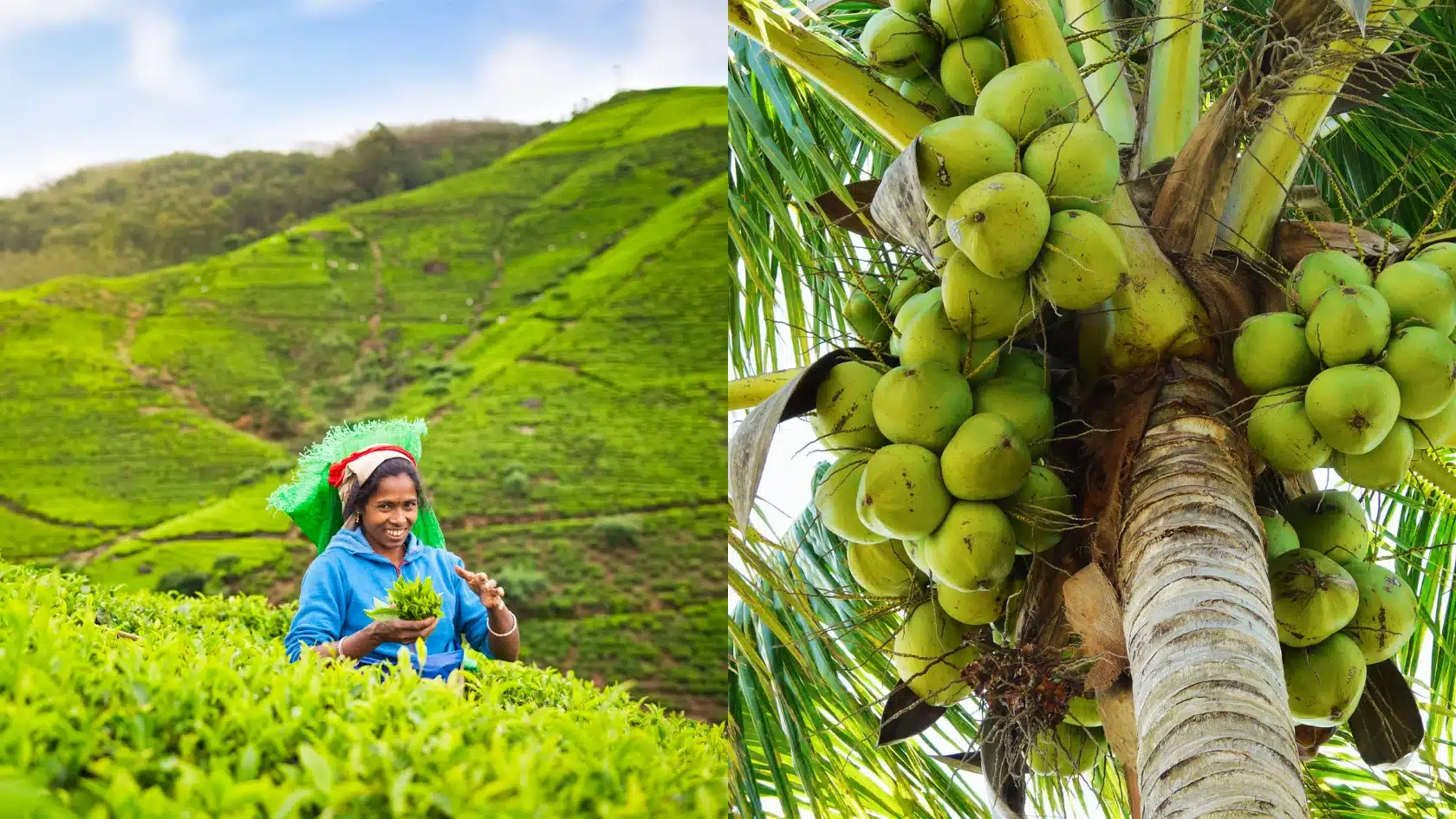
Sri Lanka’s diversification strategy is already delivering tangible gains in product upgrading. Coconut-based exports illustrate the potential: January–February 2026 earnings jumped 27.86% to US$ 203.01 million, driven by strong double-digit growth in coconut oil, desiccated coconut and coconut milk products. This reflects successful investment in processing and branding that commands premium prices in health-conscious and industrial markets. Tea, while growing more modestly at 2.04% to US$ 236.84 million in the same period, has benefited from stronger demand for specialty and sustainable varieties in emerging markets such as Turkey, Russia and Saudi Arabia.
Beyond agriculture, the strategy targets industrial and knowledge-based exports. Electronics, electrical goods and automotive parts have been prioritised for their higher value addition and global demand. Services exports – particularly ICT and BPM, continue to outpace merchandise, recording 15.95% cumulative growth in early 2026 and generating high-quality employment nationwide. These shifts reduce the economy’s sensitivity to commodity price cycles and low-cost competition. By combining traditional strengths with innovation in processing, packaging and sustainability certification, Sri Lanka is creating products that meet the needs of discerning buyers in both established and emerging markets. This internal diversification strengthens the overall export basket and provides a more stable base for long-term growth.
Market Expansion: Accessing New Regions Through Trade Agreements and Targeted Promotion
Market diversification is the second powerful lever in Sri Lanka’s strategy. Recognising that over-dependence on the US and EU exposes the country to regional economic cycles and protectionist measures, the Export Development Board is actively pursuing deeper regional integration. Sri Lanka has accelerated its accession process to the Regional Comprehensive Economic Partnership (RCEP), the world’s largest trade bloc, with the preliminary questionnaire submitted and assessments underway. Existing free-trade agreements with India, Pakistan, Singapore and Thailand are being leveraged more effectively, while new negotiations and preferential arrangements target Africa, the Middle East and additional ASEAN members.
Practical initiatives include exporter development programmes at district level, participation in international trade fairs, and digital platforms that connect Sri Lankan suppliers directly with buyers in high-growth markets. Early results are visible: non-traditional destinations have shown double-digit growth in segments such as coconut products and spices. By reducing reliance on any single market to below critical thresholds, Sri Lanka gains greater negotiating power and resilience. When one market slows, others can compensate a dynamic that stabilises foreign-exchange earnings and supports consistent economic planning. Targeted promotion of Sri Lanka’s ethical, sustainable and high-quality credentials further enhances appeal in markets that prioritise traceability and environmental standards.
Long-Term Stability and Economic Resilience Through Sustained Diversification
Sri Lanka’s trade diversification strategy is ultimately about building enduring stability in an uncertain global environment. By broadening both the product mix and the geographic reach of exports, the country reduces exposure to sector-specific or region-specific shocks. A more balanced export portfolio supports steadier foreign-exchange inflows, smoother current-account management and greater investor confidence. It also creates broader-based employment opportunities, particularly in rural and provincial areas where traditional plantation and processing activities remain vital.
The early 2026 performance with services and value-added coconut products leading growth demonstrates that the strategy is working. Sustaining momentum will require continued policy consistency, investment in skills and technology, and close public-private collaboration. As Sri Lanka moves toward the US$ 20 billion target for 2026 and the longer-term US$ 36 billion vision for 2030, diversification will be the key differentiator between cyclical recovery and structural transformation.
Sri Lanka’s Trade Diversification
The strategy’s success will be measured not only in higher export earnings but in greater economic resilience, more inclusive growth and a stronger global footprint. For businesses, the message is clear: markets once considered peripheral are now strategic opportunities. By embracing diversification today, Sri Lanka can unlock new sources of growth that deliver stability, competitiveness and prosperity for decades to come.
Also in Explained | What Apparel Export Decline Tells Us About Global Demand Shifts
The information on this site has been included in good faith for general informational purposes only. It is not intended to amount to advice on which you should rely, and we give no representation, warranty or guarantee, whether express or implied as to its accuracy or completeness. You must obtain professional or specialist advice before taking, or refraining from, any action on the basis of the content on our site.