Sri Lanka’s tourism sector faced a significant challenge in November 2025, as severe floods and cyclone conditions disrupted travel, infrastructure, and hospitality services across several regions. Yet, amid the crisis, the country demonstrated remarkable coordination, resilience, and care especially in its treatment of international visitors. With the southern provinces largely unaffected and recovery efforts underway, Sri Lanka continues to welcome tourists with safety, flexibility, and hospitality at the forefront.
This analysis explores the economic impact of the floods on tourism, the government’s rapid response, and why travelers should continue supporting Sri Lanka’s tourism economy particularly in safe zones like the south.
Also in Explained | Rebuilding After the Cyclone: What Sri Lanka’s Economy Needs Now
Tourism Disruption: A Temporary Setback
The floods affected key central and eastern districts, including Nuwara Eliya, Kandy, and parts of the hill country. Transport delays, power outages, and temporary closures of nature trails and heritage sites disrupted itineraries. However, the southern belt; Galle, Matara, Tangalle, and Hambantota remained largely operational, with minimal weather impact.
- Hotel cancellations were concentrated in flood-affected zones, but southern resorts reported stable bookings.
- Tour operators rerouted packages to safer destinations, including coastal wellness retreats and wildlife parks.
- Airlines and visa authorities introduced flexible policies to accommodate stranded or delayed travelers.
Government Response: Safety and Support
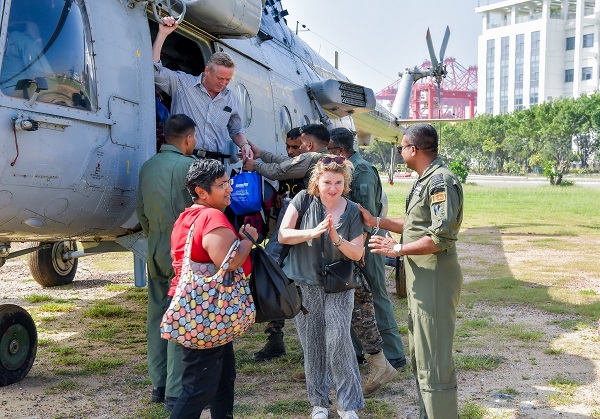
Sri Lanka Tourism, in collaboration with the Sri Lanka Air Force, executed a high-profile rescue mission in Nuwara Eliya, airlifting stranded international tourists to safety. The operation, supervised by the Ministry of Foreign Affairs and Defence, included nationals from Germany, South Africa, Britain, India, and Slovenia.
- Visa extensions were granted free of charge to affected tourists.
- Airline rebooking and cancellation fees were waived.
- 24-hour hotlines were activated to support travelers and tourism operators.
This swift and transparent response reinforced Sri Lanka’s reputation as a destination that prioritizes visitor safety and wellbeing.
Tourism as an Economic Pillar: Why Support Matters
Tourism contributes over 12% to Sri Lanka’s GDP and supports hundreds of thousands of jobs from hotel staff and guides to small retailers and transport providers. In times of disaster, cancellations and negative perceptions can trigger long-term economic damage.
- Local businesses in unaffected areas depend on continued tourist footfall.
- Seasonal operators especially in the south rely on peak travel months for annual income.
- Foreign exchange earnings from tourism are critical for Sri Lanka’s economic recovery.
Encouraging travel to safe zones is not just a gesture of solidarity, it is a direct investment in livelihoods and national stability.
Also in Explained | The Hidden Cost of Mental Health After Sri Lanka’s Cyclone and Floods
Southern Sri Lanka: Safe, Scenic, and Open
The southern coast remains fully operational and offers a wide range of experiences:
- Galle Fort and Unawatuna: Heritage, beaches, and boutique stays.
- Tangalle and Rekawa: Turtle conservation, Ayurveda retreats, and quiet luxury.
- Yala and Bundala National Parks: Wildlife safaris and birdwatching.
- Mirissa and Weligama: Surfing, whale watching, and vibrant beach life.
Travelers are encouraged to explore these regions, which continue to offer world-class hospitality and natural beauty.
- Check official advisories from Sri Lanka Tourism before travel.
- Book with flexible cancellation policies to accommodate weather changes.
- Support local businesses in safe zones; homestays, guides, and small restaurants.
- Share positive experiences to counter negative perceptions.
- Travel responsibly, respect local recovery efforts and avoid high-risk areas.
Conclusion: Travel with Confidence, Support with Purpose
Sri Lanka’s floods were a temporary disruption, not a permanent deterrent. The country’s tourism sector responded with professionalism, care, and resilience, rescuing visitors, extending visas, and maintaining operations in safe zones. The southern coast remains open, beautiful, and ready to welcome travelers.
In moments like these, tourism becomes more than leisure, it becomes a form of economic solidarity. By choosing Sri Lanka, travelers help rebuild lives, sustain jobs, and strengthen a nation that treats its guests with dignity and warmth.
Sri Lanka is open. The south is safe. And your journey here matters more than ever.
Also in Explained | After Cyclone Ditwah: What Sri Lanka’s Disaster Readiness Really Reveals