Sri Lanka is experiencing a sharp Sri Lanka Fuel Prices increase on March 22, 2026, as global oil supply disruptions intensify due to the ongoing crisis in the Strait of Hormuz. The Ceylon Petroleum Corporation (CPC) revised fuel prices from midnight, raising the cost of all fuel types. The situation is linked to escalating tensions in the Middle East, where the Strait of Hormuz, a critical route carrying nearly 20% of the world’s oil supply remains blocked, placing immediate pressure on fuel-dependent economies like Sri Lanka.
Here are the new prices in effect right now:
- Octane Petrol 92: Rs. 398.00 (up Rs. 81)
- Octane Petrol 95: Rs. 455.00 (up Rs. 90)
- Auto Diesel: Rs. 382.00 (up Rs. 79)
- Super Diesel: Rs. 443.00 (up Rs. 90)
- Kerosene: Rs. 255.00 (up Rs. 60)
Major international media outlets (Reuters, Al Jazeera, Fortune, Malay Mail) confirm this is the second big rise in two weeks and directly tie it to the Hormuz disruption, which has driven global oil prices above $110 per barrel.
Also in Explained | How Is the Middle East Conflict Affecting Sri Lanka’s 2026 Tourism Targets?
Private Buses Withdraw 90% of Services Today
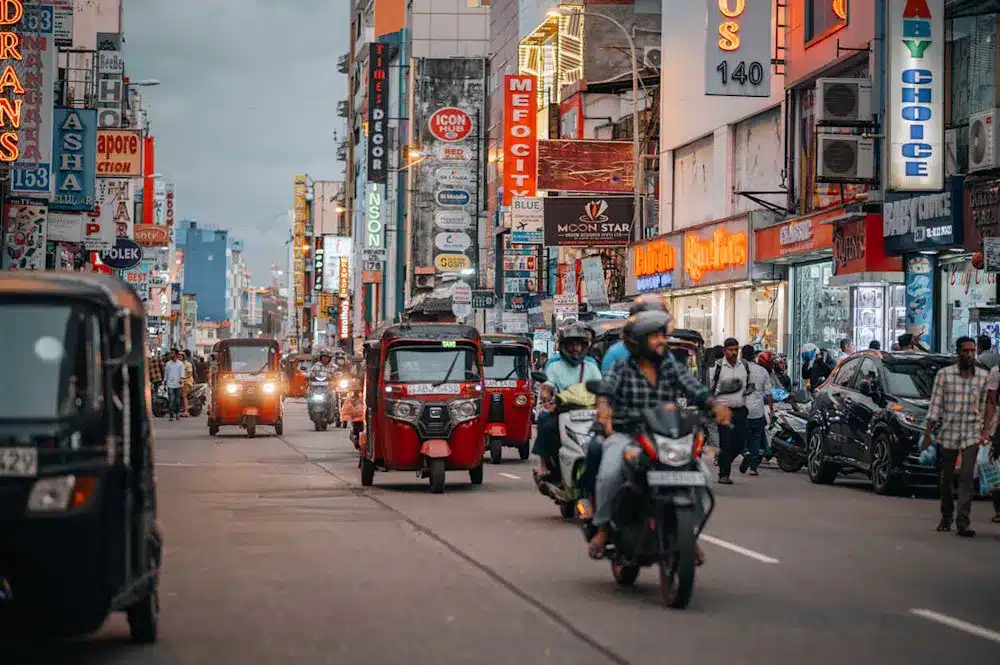
The impact on daily life is immediate and severe. The Lanka Private Bus Owners’ Association (LPBOA) announced that around 90% of private buses are off the roads today because diesel costs have become unsustainable. Many vehicles remain parked, leaving commuters stranded or forced to pay higher rates on three-wheelers and vans.
The National Transport Commission has said official fares will not rise immediately, but operators warn they cannot run normal services without massive losses. Schools, offices and everyday travel across the country are already disrupted.
Why This Keeps Happening
Global news reports paint the same picture everywhere. With the Strait of Hormuz blocked following US-Israeli actions on Iran, oil flows from the Middle East – the main source for many Asian nations – have been severely disrupted. Sri Lanka, which imports every drop of fuel, is feeling the effect quickly through higher pump prices and emergency measures such as shorter working weeks for government offices.
Sri Lanka’s Long-Term Answer: Reviving Colonial-Era Storage in Trincomalee
While the short-term pain is real, the government is moving on a permanent fix. It is fast-tracking the redevelopment of the historic oil tank farms in Trincomalee harbour – the giant storage facilities built by the British during the Second World War.
Verified project details:
- In April 2025, Sri Lanka signed a tripartite Memorandum of Understanding with India and the United Arab Emirates to develop Trincomalee as a regional energy hub.
- The plan includes renovating the old tanks, building a multi-product pipeline and significantly increasing storage capacity.
- Foreign Minister Vijitha Herath has described this as the “permanent solution” to fuel shortages and global energy crises. Work has already started using Treasury funds, and more investment will follow once technical plans are complete.
- Recent parliamentary and cabinet statements confirm the project is on track to give Sri Lanka the buffer it needs to buy oil when prices are low and keep supplies steady even when international routes are blocked.
These long-unused colonial-era tanks could finally protect the country from sudden global shocks.
Looking Ahead as Sri Lanka Fuel Prices rise
Today’s fuel price rise and the near-total withdrawal of private buses show once again how events in the Middle East reach straight into daily life in Sri Lanka. The blockage of the Strait of Hormuz following US-Israeli actions on Iran has made imported oil more costly and less reliable.
Yet the renewed push to develop the Trincomalee oil tank farms offers genuine hope. If the India-UAE partnership delivers results quickly, Sri Lanka will be far better protected the next time supply routes face trouble. Families and businesses face higher costs right now, but a stronger local storage system is being built to reduce future risks.
Also in Explained | Sri Lanka Fuel Crisis 2026: 4-Day Work Week, Price Hikes and Rising Food Costs Hit Hard