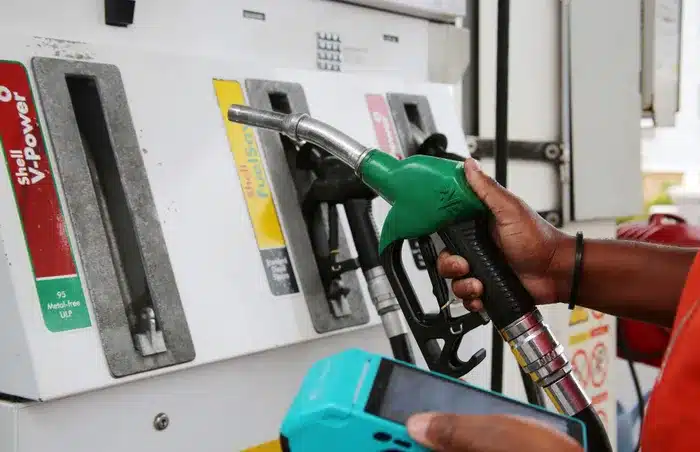
Sri Lanka Fuel Price Hike | The Ceylon Petroleum Corporation (Ceypetco) has implemented a fresh round of fuel price revisions effective from midnight on 9 March 2026, driven by rising global crude oil prices linked to ongoing Middle East tensions. This marks the second adjustment in just over a week and delivers noticeable increases across major fuel categories. Lanka IOC has aligned its prices with the same revisions.
Here are the new retail prices at Ceypetco and Lanka IOC outlets island-wide:
- Auto Diesel: Rs. 303 per litre (up Rs. 22)
- Super Diesel: Rs. 353 per litre (up Rs. 24)
- Petrol 92 Octane: Rs. 317 per litre (up Rs. 24)
- Petrol 95 Octane: Rs. 365 per litre (up Rs. 25)
- Kerosene: Rs. 195 per litre (up Rs. 13)
These changes come as global oil markets react to developments in the Middle East, pushing benchmark crude prices higher and forcing Sri Lanka’s monthly pricing formula to adjust upward.
This analysis examines the verified details of the revision, its direct and indirect effects on businesses, households, inflation, transport costs, and the broader economic recovery trajectory in early 2026.
Also in Explained | How Is Sri Lanka Supporting the Nearly 10,000 Tourists Stranded by the Middle East Crisis?
Why the Prices Rose: Global Factors Meet Sri Lanka’s Pricing Formula
Sri Lanka follows a transparent monthly fuel pricing mechanism introduced after the 2022 economic crisis. The formula automatically reflects changes in international crude oil prices, refining margins, exchange rates, and other import costs. The latest surge in global benchmarks triggered by heightened tensions in the Middle East directly translated into higher landed costs for Sri Lanka.
This revision is larger than the modest increases seen on 1 March 2026 (when Auto Diesel rose only Rs. 4 and Petrol 92 Octane by Rs. 1). The current hike averages 7–8% across most categories, reflecting the sharper global pressure in the past fortnight.
Immediate Impact on Households and Cost of Living due to Sri Lanka Fuel Price Hike
For the average Sri Lankan family, the increases will be felt most strongly in daily commuting and household expenses. Private vehicle owners using Petrol 92 will now pay Rs. 24 more per litre, adding several hundred rupees to weekly fuel bills for those travelling 200–300 km. Diesel users including many three-wheeler and van operators face a Rs. 22 rise per litre, directly affecting taxi fares, school transport, and goods delivery charges.
Kerosene, still used by some low-income households for cooking and lighting, has risen Rs. 13 per litre. While the absolute increase is smaller, it adds to the burden on vulnerable families already managing tight budgets.
Public transport operators are expected to pass on part of the cost through higher bus and train fares in the coming days, further pressuring household expenditure.
Business and Industry Repercussions: Transport, Logistics and Manufacturing Hit Hardest
The transport and logistics sector will absorb the largest immediate hit. Delivery companies, ride-hailing services, and freight operators rely heavily on diesel. A Rs. 22 increase per litre on Auto Diesel raises operating costs significantly for trucks and vans that consume hundreds of litres daily.
Manufacturing and agriculture will also feel the ripple effects. Factories using diesel generators for backup power or process heat will see higher energy bills. Farmers and fisheries operators using diesel-powered machinery and boats face increased production costs that could eventually translate into higher prices for vegetables, fish, and other essentials.
Small and medium enterprises (SMEs), which form the backbone of Sri Lanka’s economy, are particularly exposed. Many operate on thin margins and lack the scale to absorb cost shocks quickly. Exporters in apparel, tea, and rubber sectors may see elevated inland transportation costs, slightly eroding competitiveness.
Tourism operators already recovering strongly with January 2026 arrivals hitting record levels will contend with higher fuel costs for airport transfers, tour buses, and boats, potentially squeezing package margins.
Inflation and Macroeconomic Effects in the Recovery Phase
Sri Lanka’s inflation has been moderating nicely, with headline NCPI at 2.4% and CCPI at 1.6% in recent readings. This fuel hike introduces upward pressure that could slow the disinflation trend in the coming months.
The Central Bank will monitor the pass-through carefully. While the economy has built resilience with gross official reserves above USD 6.8 billion and a current account surplus higher fuel costs could widen the trade deficit if import volumes remain steady.
On the positive side, the pricing formula prevents the massive subsidies that contributed to the 2022 crisis. The automatic adjustment maintains fiscal discipline while ensuring fuel availability without queues or shortages.
How This Fits into Sri Lanka’s 2026 Economic Recovery Story
Despite the price increase, Sri Lanka’s broader recovery remains on track. Foreign direct investment rose 72% in 2025 to USD 1.06 billion, and the country is targeting USD 1.5–2 billion in 2026. Stable reserves, moderating inflation, and strong remittances (USD 8.076 billion in 2025) provide a buffer against external shocks.
However, repeated fuel price adjustments highlight the country’s vulnerability to global oil volatility and the need for faster diversification into renewables and energy efficiency. Businesses are already exploring solar installations and electric vehicle fleets to hedge against future hikes.
What Consumers and Businesses Can Do Now
- Households: Plan commuting routes, consider carpooling or public transport, and monitor electricity bills as some may shift from kerosene.
- Businesses: Review fuel budgets, negotiate bulk purchase deals, accelerate fuel-efficient fleet upgrades, and pass on costs gradually to avoid losing customers.
- Government and regulators: Continue transparent communication on pricing and accelerate long-term energy transition plans.
The March 2026 fuel price revision is a direct reflection of global realities rather than domestic policy failure. While it adds short-term pressure on businesses and households, Sri Lanka’s strengthened macroeconomic buffers mean the economy is far better equipped to absorb these shocks than in previous years.
As the country continues its post-crisis journey toward sustainable growth, managing global energy price volatility through diversification and efficiency will remain a top priority for policymakers and the private sector alike.
Also in Explained | How Is the Middle East Conflict Affecting Sri Lanka’s 2026 Tourism Targets?