In an era where remote work has become a global norm, Sri Lanka has positioned itself as an attractive destination for digital nomads seeking a blend of tropical allure, cultural richness, and affordable living. The introduction of the Digital Nomad Visa (DNV) represents a strategic move by the government to draw in foreign talent, boost tourism spending, and foster international knowledge sharing. This visa category allows professionals to reside and operate remotely in the island nation while serving overseas clients or employers, without engaging in local job markets.
Launched to capitalize on the post-pandemic shift toward flexible lifestyles, the DNV caters to individuals aged 18 and above, along with their families. It promises a year-long stay, renewable annually, making it ideal for those looking to escape urban hustle while maintaining productivity. As Sri Lanka continues to recover economically, this initiative not only enhances foreign exchange inflows but also stimulates sectors like hospitality, real estate, and digital services. This article explores the key aspects of the visa, from eligibility to benefits, providing a comprehensive guide for potential applicants.
Also in Explained | Sri Lanka’s Arts and Crafts Sector: Unlocking Tourism Potential and Economic Growth Through Traditional Excellence
Eligibility Criteria and Required Documentation
To qualify for the Digital Nomad Visa, applicants must demonstrate a stable remote work setup that generates income from sources outside Sri Lanka. This includes roles in freelancing, remote employment, or running a business not registered locally. The primary requirement is a minimum monthly income of USD 2,000 for the main applicant, with an extra USD 500 per dependent if more than two are included. This financial threshold ensures that nominees can sustain themselves without burdening local resources.
The visa extends to spouses and dependents, promoting family-friendly relocations. All applicants need to be at least 18 years old, with minors covered under parental applications. A clean criminal record is mandatory, evidenced by a police clearance certificate from the home country or current residence, issued within the last three months. Health standards are upheld through a medical clearance report and international health insurance valid in Sri Lanka.
Documentation plays a crucial role in the application. Essential submissions include a completed visa form, a personal request letter outlining the intent to apply, passport copies valid for at least six months, recent photographs, and family certificates such as marriage or birth records for accompanying members. A security clearance form is required to assess any potential risks. Additionally, proof of the required income remittances must be provided, along with a recommendation from the Ministry of Digital Economy, which verifies the applicant’s alignment with the program’s goals.
These criteria reflect Sri Lanka’s emphasis on attracting high-caliber professionals who can contribute positively to the economy. By setting income benchmarks, the program targets individuals with disposable income to spend on local goods, services, and experiences, thereby supporting small businesses and tourism operators.
Step-by-Step Application Process and Fees
Applying for the Digital Nomad Visa involves a straightforward yet thorough procedure managed by the Department of Immigration and Emigration’s Residence Visa Division. Prospective applicants begin by gathering all necessary documents and submitting them either in person or through designated channels. The process emphasizes accuracy and completeness to avoid delays.
Once submitted, the application undergoes evaluation, where officials review compliance with eligibility standards, financial proofs, and security checks. Upon approval, the visa is endorsed directly on the passport, granting entry and residency rights. The initial visa is valid for one year, with extensions possible by providing updated documents, including evidence of tax registration with the Inland Revenue Department.
Fees are structured to be accessible yet reflective of the visa’s value. The main applicant pays USD 500 annually, with the same amount applied to spouses and each dependent. This flat-rate system simplifies budgeting for families. Payments are typically made during the application or renewal phase.
For those planning a permanent exit or visa termination, a two-month written notice is required, or at least 14 working days if departing Sri Lanka for good. The department reserves the right to revoke the visa for non-compliance, such as failing income requirements or engaging in prohibited activities. Applicants are advised to monitor their status and report changes in employment or family circumstances within 30 days to maintain validity.
This process underscores Sri Lanka’s commitment to efficient immigration services, with online resources available for preliminary guidance. The official website offers forms and updates, while email and phone support from the visa division assists with queries.
Benefits and Lifestyle Advantages for Digital Nomads
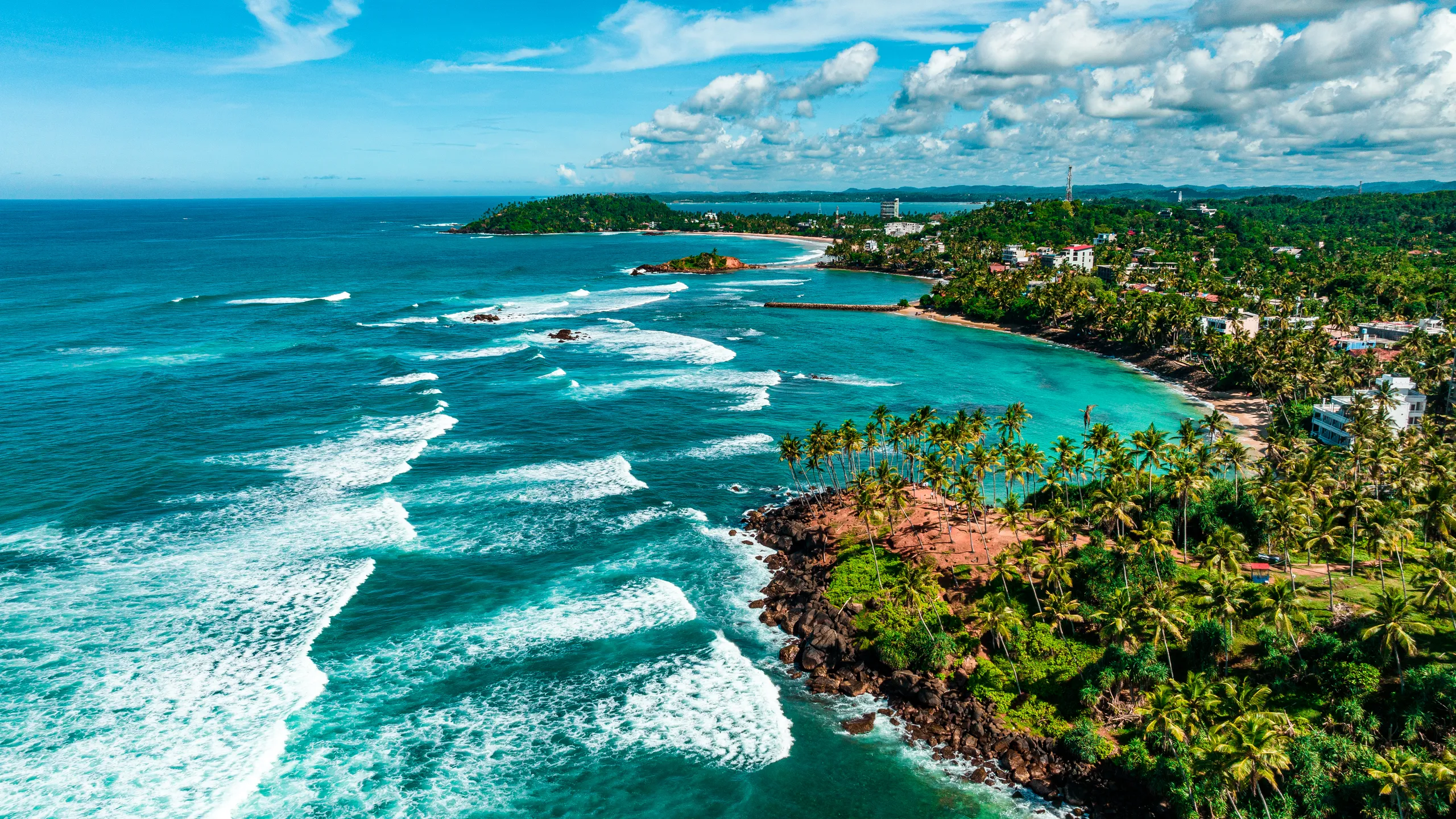
The Digital Nomad Visa opens doors to a host of privileges that enhance the remote working experience in Sri Lanka. Holders can legally reside for up to 12 months, with options for annual renewals, providing stability for long-term plans. This duration allows nomads to immerse themselves in the country’s diverse landscapes, from pristine beaches to misty highlands, all while staying connected via reliable internet infrastructure.
Practical benefits include the ability to open personal bank accounts, facilitating seamless financial management and remittances. Visa holders can enter rental or lease agreements for housing, ensuring comfortable accommodations in vibrant areas like Colombo, Galle, or Kandy. Families benefit from enrolling children in international or private schools, maintaining educational continuity.
Access to local utilities, telecommunications, and internet services is granted, supporting uninterrupted work. Participation in co-working spaces, ICT workshops, and government-backed tourism events fosters networking and skill development. These opportunities align with Sri Lanka’s growing digital economy, where nomads can engage in knowledge exchange without formal employment.
Economically, the visa encourages spending on tourism, dining, and adventures, injecting vitality into local enterprises. With its low cost of living compared to Western countries, nomads can enjoy a high quality of life, including fresh cuisine, wellness retreats, and cultural festivals. The program’s focus on foreign-sourced income ensures no competition with local jobs, promoting harmonious integration.
Challenges, Restrictions, and Path Forward
While the Digital Nomad Visa offers numerous advantages, applicants should be aware of its limitations to ensure a smooth transition. Strict prohibitions include engaging in any form of local employment or business activities within Sri Lanka—all earnings must originate abroad. Political involvement or actions disrupting public order are forbidden, with violations leading to immediate visa cancellation.
Compliance with immigration, tax, and legal obligations is non-negotiable. Nomads must adhere to reporting requirements for any changes, maintaining transparency. Health and security clearances emphasize the need for upfront preparation, as incomplete applications can result in rejections.
Potential challenges include adapting to tropical weather, navigating bureaucratic processes, or dealing with occasional infrastructure issues in remote areas. However, Sri Lanka’s improving digital connectivity and supportive communities mitigate these hurdles. For sustainability, the government encourages eco-friendly practices among nomads, aligning with national conservation efforts.
Looking ahead, the DNV positions Sri Lanka as a competitive player in the global remote work arena, rivaling programs in countries like Portugal or Thailand. By attracting tech-savvy professionals, it could spur innovation in local startups and enhance the nation’s appeal as a knowledge hub. Continuous refinements, such as streamlined online applications or expanded support services, could further boost its popularity.
In conclusion, Sri Lanka’s Digital Nomad Visa represents a forward-thinking initiative that balances economic gains with lifestyle enhancements. For remote workers seeking inspiration amid stunning scenery, it offers a compelling option. With proper preparation, this visa can transform a temporary stay into a transformative experience, contributing to both personal growth and Sri Lanka’s vibrant economy.
(Disclaimer: This is based on the recent reports until 10/02/2026, Please visit official website for further details and data.)