Sri Lanka’s debt profile remains one of the most defining factors shaping its macroeconomic outlook, corporate environment, and investor confidence. Recent reviews and data released by the Central Bank of Sri Lanka (CBSL) underline a clear reality: while stabilisation efforts are ongoing, the economy is still heavily influenced by high public debt, fiscal pressures, and the need for disciplined policy execution.
For businesses, this is more than a sovereign finance issue it directly affects interest rates, liquidity, foreign exchange stability, investor sentiment, and the broader operating climate.
Also in Explained | Shadow Imports Flood Sri Lanka’s Computer Hardware Market, Threatening Legitimate Businesses
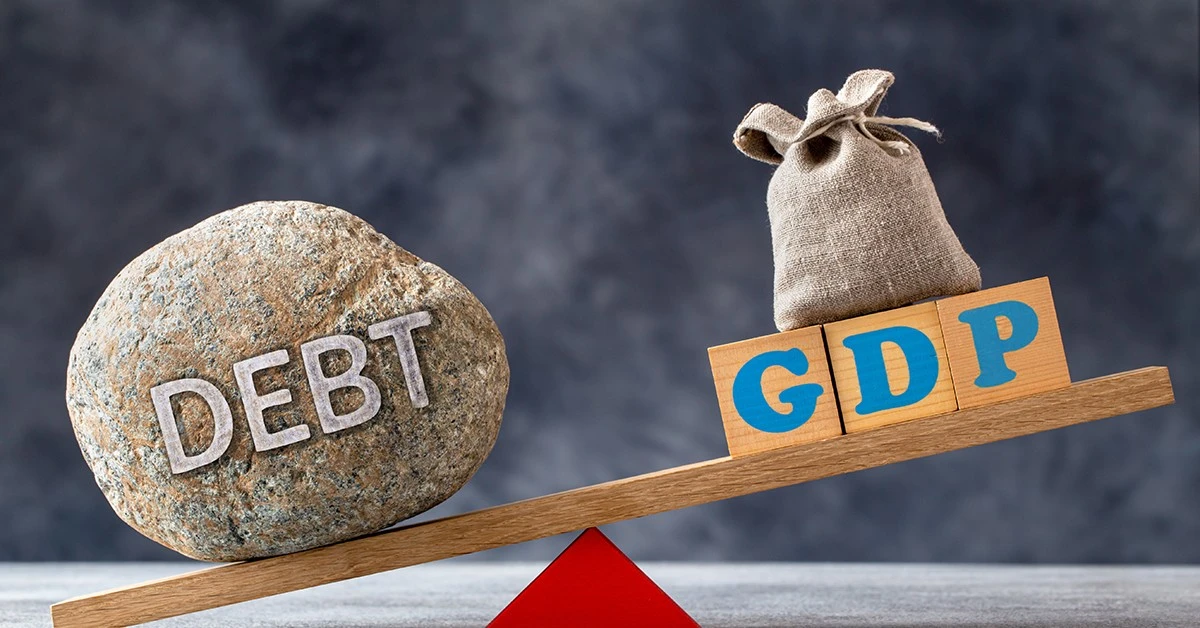
Debt Remains Elevated, and It Continues to Shape Policy
Sri Lanka’s total government debt has approached around USD 98.8 billion by mid-2025, while external debt is estimated around USD 56 billion. These levels, combined with repayment obligations and exchange rate exposure, mean policy decisions will continue to prioritise stability over risk-taking.
High debt influences:
- Borrowing costs
- Sovereign risk perception
- Capital market confidence
- Private sector credit availability
Businesses should expect the government to remain conservative, focusing on fiscal correction and disciplined expenditure control.
Fiscal Pressures Persist, Particularly After Recent Shocks
Even as stabilisation gains traction, fiscal pressure remains elevated due to:
- Post-crisis rebuilding expenditure
- Disaster-related relief and reconstruction (including recent cyclone impacts)
- Social welfare and economic support commitments
Revenue reforms and expenditure rationalisation remain central to the government’s fiscal strategy. For businesses, this signals continued tax discipline, enhanced compliance expectations, and possible structural reform momentum rather than expansionary fiscal policy.
Monetary Policy: Gradual Easing, But Stability Is Priority
CBSL has been reducing policy rates to support economic recovery while attempting to maintain price stability. Efforts continue to:
- Guide down market interest rates
- Ease liquidity constraints
- Maintain adequate foreign reserve buffers
Lower rates are positive for credit demand and corporate expansion, but businesses should expect the Central Bank to avoid aggressive loosening until inflation, reserves, and external balances remain comfortably stable.
Debt Sustainability Is Now a Strategic Priority
Debt sustainability has transitioned from policy rhetoric to operational necessity. CBSL emphasises:
- Structured debt management
- Transparent fiscal reporting
- Reform-led economic correction
Sustainability will require continued alignment between fiscal and monetary policy, strengthening of public financial management, and credibility in reform execution. For investors, predictable macroeconomic policy is a positive signal.
International Support Continues to Anchor Stability
Sri Lanka’s economic stabilisation remains closely linked to external support particularly IMF-backed programmes and related financial cooperation. Recent IMF emergency financing helps buffer external risks and strengthens market confidence.
International backing:
- Reinforces reform commitment
- Supports balance-of-payments resilience
- Signals improved policy credibility
Foreign investor perception, sovereign ratings, and international funding access remain tied to disciplined programme implementation.
What Businesses and Investors Should Watch
The current landscape suggests three key monitoring points:
- Interest Rates and Credit Flow
Gradual easing supports business borrowing, investor appetite, and capital investments, but pace will remain cautious.
- Foreign Exchange and Reserves
Exchange stability remains essential for import-dependent industries, external debt servicing, and investor confidence.
- Policy Momentum and Reform Execution
Clear progress on structural reforms, fiscal consolidation, and governance improvements will determine medium-term stability.
Where to Access Reliable Economic Intelligence
Stakeholders can track developments via:
- CBSL Monetary Policy Reports, Financial Stability Reviews, Weekly Economic Indicators
- Ministry of Finance fiscal and debt updates
- Independent economic databases including CEIC and Trading Economics
These platforms provide key data for boardrooms, analysts, and financial planners.
Outlook: Stability Is Building, but Discipline Will Define Success
Sri Lanka’s recovery remains a balancing act. Debt levels are high, but policy discipline, IMF-linked reform direction, and cautious monetary easing indicate a structured pathway toward stabilisation.
For the business community, the message is clear: conditions are improving, but sustained confidence will depend on consistency, credibility, and continued reform delivery.
Also in Explained | Bank of Ceylon’s Rs. 20 Billion Sustainability Bonds: What It Means for Sri Lanka’s Capital Market