Summary:
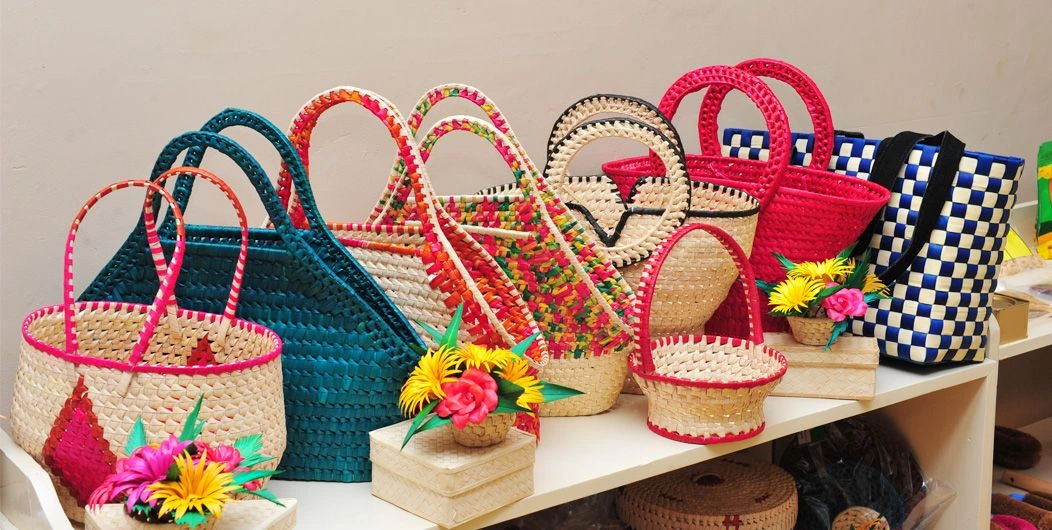
- Handicrafts encompass a wide range, from pottery to textiles and woodwork, often reflecting cultural motifs.
- Events showcasing Sri Lankan crafts abroad, including in London, have highlighted pottery and ceramics, building global awareness.
- By linking to tourism, it elevates visitor experiences while generating income that stays local. Encouraging domestic preference over imports strengthens self-reliance and supports artisans directly.
Sri Lanka’s rich tradition in arts and crafts, particularly pottery and ceramics, represents an untapped opportunity to enhance tourism experiences and drive economic value. With tourism revenue reaching approximately $3.2 billion in 2025 from over 2.36 million visitors, integrating authentic local handicrafts into the visitor journey can boost spending on souvenirs while encouraging domestic preference for homegrown products over imports.
The sector’s natural strengths abundant raw materials like kaolin and clay, combined with skilled craftsmanship position it for growth in both tourism-linked sales and exports. Recent initiatives underscore this potential, offering businesses pathways to develop high-quality, sustainable items that appeal to tourists and locals alike. This analysis explores the sector’s foundations, current insights, evolving opportunities, business strategies, future prospects, and broader significance.
Background on Sri Lanka’s Arts and Crafts Industry
Sri Lanka’s arts and crafts heritage spans centuries, rooted in traditional techniques passed down through generations. Pottery and ceramics stand out, utilizing local resources to create ornamental ware, tableware, and decorative pieces. The industry operates across rural and urban areas, supporting small-scale artisans and larger manufacturers.
Handicrafts encompass a wide range, from pottery to textiles and woodwork, often reflecting cultural motifs. Historically tied to community livelihoods, the sector aligns naturally with tourism, where visitors seek authentic mementos. However, competition from cheaper imports has challenged local producers, highlighting the need to promote domestic consumption and export-quality development.
Also in Explained | The Devastating Impact of Cyclone Ditwah on Sri Lanka’s SME Sector
Key Details, Insights, and Statistics
The handicrafts market shows promising growth patterns, with projections indicating expansion rates around 15% in some segments for 2025, driven by rising interest in sustainable and cultural products. Ceramics benefit from Sri Lanka’s resource advantages, including high-quality kaolin, ball clay, and feldspar, enabling production of porcelain tableware, tiles, and ornamental items exported to markets like the United Kingdom, India, and the United Arab Emirates.
Tourism provides a vital channel: with 2025 arrivals surpassing 2.3 million and generating $3.2 billion in earnings, souvenirs and crafts contribute meaningfully to visitor spending. Many tourists purchase handicrafts at markets, hotels, or dedicated shops, adding value beyond accommodation and transport. Domestically, shifting preferences toward local items could reduce import reliance, fostering job creation in rural areas where most artisans reside.
Recent Changes and Implications
Recent years have seen increased focus on the creative economy, with programs like the EU-supported craft matchmaking initiative promoting sustainable practices and international linkages. Events showcasing Sri Lankan crafts abroad, including in London, have highlighted pottery and ceramics, building global awareness.
These developments imply stronger integration with tourism: dedicated craft villages, airport boutiques, and hotel galleries make purchases convenient for visitors. For locals, awareness campaigns can encourage buying authentic products, supporting artisans and reducing foreign exchange outflows on imported goods. Environmentally, emphasis on eco-friendly techniques aligns with global trends, enhancing appeal without depleting resources.
Business Perspectives and Opportunities
Businesses in arts and crafts, especially pottery and ceramics, can thrive by prioritizing tourism linkages and local markets. Tourists represent a high-value segment: establishing outlets near popular sites, partnering with hotels for displays, or offering workshops allows direct sales and immersive experiences. Online platforms and airport retail further ease access, turning one-time visitors into repeat buyers through branded packaging and storytelling.
Encouraging domestic spending involves retail presence in urban centers, pop-up events, and collaborations with lifestyle brands to position crafts as premium home decor. Reducing imports requires quality upgrades modern designs blended with tradition to compete on aesthetics and durability.
Opportunities abound in development: training programs for artisans improve skills in contemporary techniques, while sustainability certifications attract eco-conscious buyers. Small enterprises can scale through cooperatives for bulk production, and exporters target niche markets for ornamental ware. Overall, focused efforts could yield 10-15% annual growth, creating jobs and adding value to tourism revenue.
Future Vision and Outlook
Sri Lanka’s arts and crafts sector envisions a vibrant, integrated role in the creative economy by 2030, supported by ongoing public investment programs for handicraft development. Enhanced tourism infrastructure craft trails, dedicated zones, and digital marketing will make purchases seamless for visitors.
As global interest in authentic, sustainable products grows, exports of ceramics and pottery could expand significantly. Domestic policies promoting local procurement in homes and businesses will build resilience. With coordinated support, the sector can contribute more substantially to GDP, blending cultural preservation with modern commerce.
Why It Matters
Reviving and developing Sri Lanka’s arts and crafts matters for economic diversification, rural empowerment, and cultural pride. By linking to tourism, it elevates visitor experiences while generating income that stays local. Encouraging domestic preference over imports strengthens self-reliance and supports artisans directly.
For businesses, it offers sustainable growth in a high-potential niche; nationally, it enhances tourism’s multiplier effect, fostering inclusive development in an evolving economy.
Also in Explained | A Historic First: Sri Lanka’s Capital Market Leaders Bring Investor Forum to Saudi Arabia