Sri Lanka’s apparel sector continues to shine as one of the country’s top export earners, known worldwide for quality and ethical production. In the first 11 months of 2025, exports reached $4.57 billion, up 5.42% from the same period in 2024. A new boost came on January 1, 2026, when the UK opened full tariff-free access for Sri Lankan garments, allowing global sourcing of materials without losing duty benefits.
This opens fresh doors for growth. With the global fashion market expected to see steady but slow growth in 2026, Sri Lankan businesses can improve by focusing on simple steps like sustainability, better technology, and new markets. This article looks at the sector’s current state, key facts, recent changes, practical ways to grow more, and why a stronger apparel industry benefits everyone.
Also in Explained | Dr. Parakrama Dissanayake Appointed Presidential Adviser: A Strategic Boost for Sri Lanka’s Maritime and Export Growth
Background on Sri Lanka’s Apparel Industry
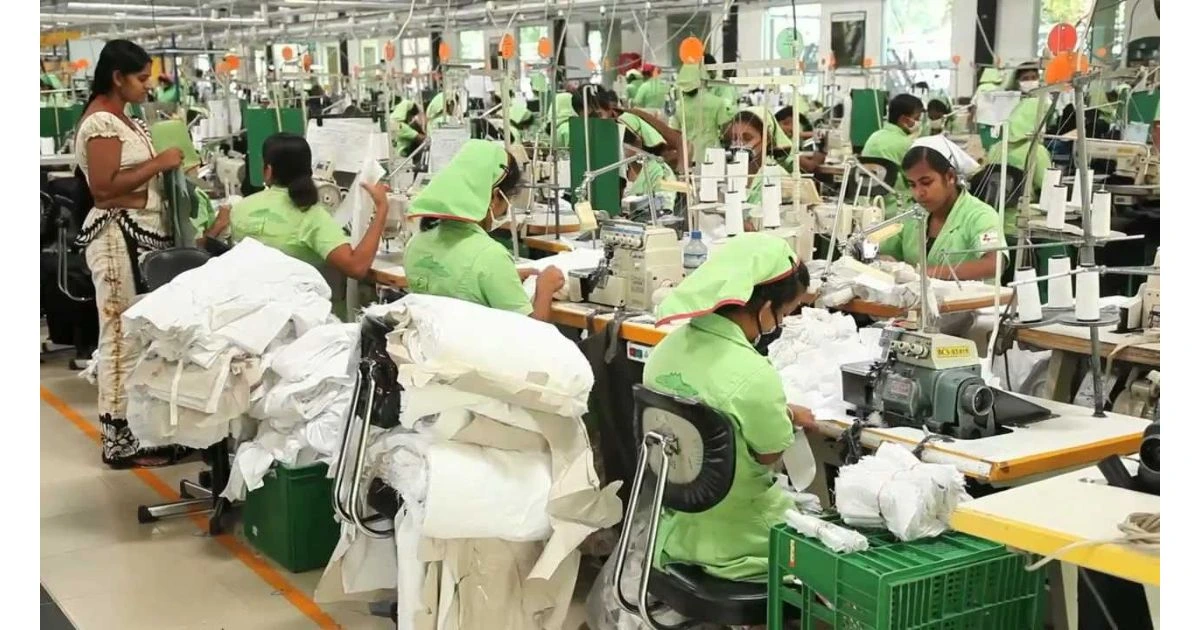
The apparel industry in Sri Lanka started growing strongly in the 1980s and is now a key part of the economy. It employs around 360,000 people directly, mostly women in factories across the country, and supports many more jobs in related areas like textiles and logistics. Sri Lanka stands out for its “Garments Without Guilt” promise – focusing on fair wages, safe workplaces, and ethical practices.
Main buyers are in the United States, European Union, and United Kingdom, where brands value reliable supply and high standards. The sector makes up about 40-45% of Sri Lanka’s total merchandise exports most years. While competition from countries like Bangladesh and Vietnam is tough, Sri Lanka wins with better quality, quicker delivery for some orders, and strong environmental efforts. Simple improvements in these strengths can help the industry reach more customers and earn higher profits.
Key Details, Insights, and Statistics
Performance in 2025 was solid overall. Apparel exports from January to November totaled $4.57 billion, a healthy 5.42% increase compared to 2024. Even though November saw a small drop to $367.60 million (down 1.96% from the previous year), the yearly growth showed strength in major markets like the EU and US.
Early in the year, January exports jumped 21.08% to $460.22 million, setting a positive tone. The sector benefits from demand for everyday clothing, activewear, and underwear. Globally, the apparel market faces slower growth in 2026, with experts predicting low single-digit increases due to cautious consumer spending. Still, areas like sustainable and ethical fashion are growing faster, giving Sri Lanka a clear edge.
The industry contributes significantly to foreign earnings, helping stabilize the economy. With around 300 factories operating, many linked to big international brands, steady orders keep jobs secure and communities strong.
Recent Changes and Implications
The biggest positive change in early 2026 is the UK’s new trade rules. Starting January 1, Sri Lankan apparel gets full tariff-free entry to the UK, even if materials come from anywhere in the world. Before, strict rules limited sourcing options. This makes Sri Lanka more competitive, especially for orders needing fast and flexible supply.
On the challenge side, potential higher US tariffs have been discussed, which could affect part of the market. Rising costs for energy and wages also put pressure on profits. However, these changes push businesses to adapt in simple ways – like using energy-efficient machines or training workers for higher-skilled roles.
Overall, the UK opportunity outweighs short-term hurdles. It encourages more investment and could attract new buyers looking for reliable partners.
Business Perspectives and Opportunities: Simple Ways to Improve and Grow More
Business leaders in Sri Lanka’s apparel sector see clear paths to do better and earn more. Here are practical steps that any company, big or small, can take:
- First, focus on sustainability. Buyers increasingly want eco-friendly clothes made with less water, recycled materials, or renewable energy. Simple actions like installing solar panels, recycling factory waste, or getting green certifications can open doors to premium prices. Many brands pay more for “green” suppliers, helping margins grow.
- Second, adopt basic technology. Tools like automated cutting machines or simple software for inventory can reduce waste and speed up production. Training workers on these does not need huge costs government programs often help with funding. This makes factories more efficient and attractive to international buyers.
- Third, diversify products and markets. Move beyond basic items to higher-value ones like sportswear or children’s clothing. The new UK access is a great chance to target British buyers. Joining trade fairs or online platforms connects local firms directly to new customers.
- Fourth, invest in people. Better training, fair wages, and safe conditions keep workers longer and improve quality. Happy teams mean fewer mistakes and stronger reputation key for repeat orders.
- Finally, team up with others. Small factories can partner for bigger orders, or work with local textile makers to reduce import costs. These straightforward collaborations build strength without complexity.
By taking these steps, businesses can aim for 8-10% growth in coming years, creating more jobs and higher earnings for everyone involved.
Future Vision and Outlook
Looking ahead, Sri Lanka’s apparel industry has a bright path if it keeps adapting. With the UK market now wide open and global demand for ethical products rising, exports could reach over $5.5 billion annually by 2028-2030. Government support for training, infrastructure, and trade promotions will help.
Challenges like competition and cost rises remain, but focusing on strengths; quality, ethics, and quick response – sets Sri Lanka apart. A shared vision of modern, green factories and skilled workers can turn the sector into an even bigger economic driver.
Why It Matters
A thriving apparel industry means steady jobs for hundreds of thousands of families, more foreign currency for the country, and pride in Sri Lankan-made products worn worldwide. When businesses improve through simple, smart changes, everyone wins workers get better lives, companies earn more, and the economy grows stronger.
This sector shows how Sri Lanka can compete globally by doing things right. Supporting it with practical steps today builds a more prosperous tomorrow for all.
Also in Explained | Sri Lanka Central Bank’s 2026 Policy Agenda: Boosting Business Confidence and Market Stability