Summary:
- Full-year exports exceeding $5 billion for the first time in recent years, marking a 5.42% increase over 2024.
- Business leaders view the 2025 results as a platform for accelerated progress. Simple, actionable strategies can help companies build on this success.
- Global demand for responsible apparel is expected to rise, favoring suppliers like Sri Lanka.
Sri Lanka’s apparel industry concluded 2025 on a high note, with full-year exports exceeding $5 billion for the first time in recent years, marking a 5.42% increase over 2024. December alone saw exports reach $447.21 million, up 5.43% year-on-year, fueled by robust demand in key markets like the United States, European Union, and United Kingdom. This performance underscores the sector’s resilience amid global economic uncertainties and positions it for further expansion in 2026. With steady orders from traditional buyers and emerging policy advantages, businesses can leverage sustainability, diversification, and efficiency to capture greater market share. This analysis reviews the year’s achievements, critical data, implications, practical growth strategies, outlook, and broader economic significance.
Background on Sri Lanka’s Apparel Industry
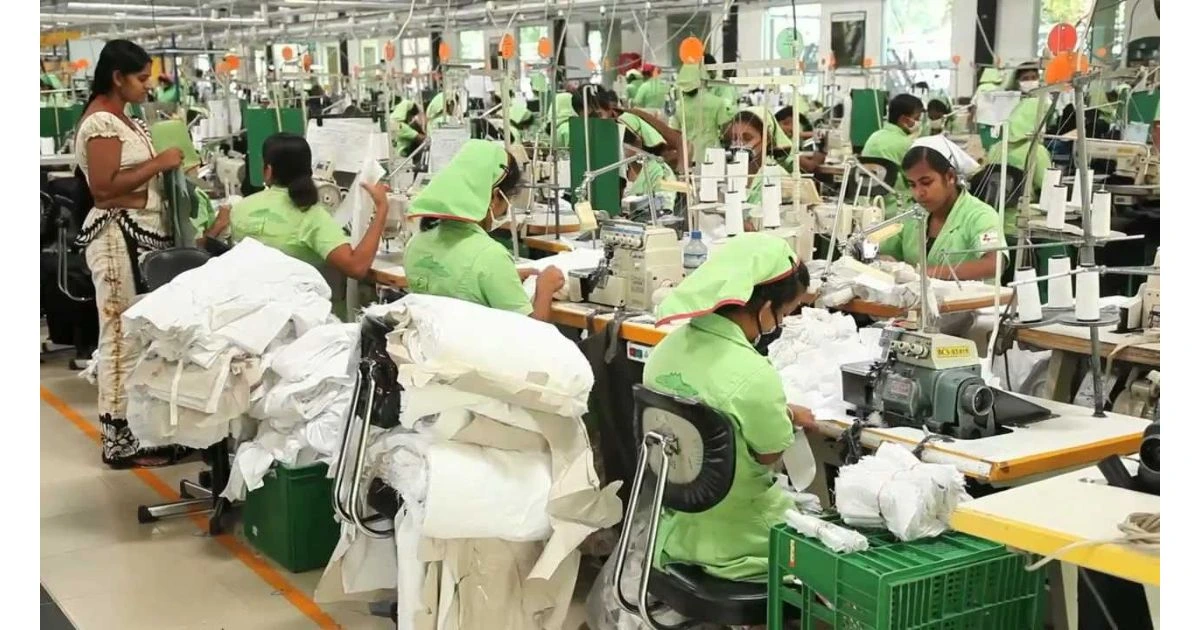
Sri Lanka’s apparel sector has been a flagship export industry since the 1980s, renowned for ethical manufacturing and high-quality production. It directly employs around 350,000 to 360,000 workers, predominantly women, across approximately 300 factories, while supporting indirect jobs in supply chains. The industry emphasizes responsible practices, aligning with global standards on labor and environment.
Primary markets remain the US, EU, and UK, where buyers prioritize reliability and compliance. Apparel typically accounts for 40-45% of total merchandise exports, making it a cornerstone of foreign exchange earnings. Despite competition from regional peers, Sri Lanka differentiates through quality, shorter lead times for certain orders, and strong sustainability credentials, providing a foundation for sustained growth.
Also in Explained | The India-EU Free Trade Agreement: What It Means for Global Trade and Sri Lanka’s Economy
Key Details, Insights, and Statistics
The industry delivered consistent performance throughout 2025. Full-year apparel exports totaled approximately $5.019 billion, reflecting a 5.42% rise compared to 2024. December contributed $447.21 million, a 5.43% increase year-on-year, with gains driven by core categories and major destinations.
This capped a year of steady progress, building on earlier cumulative figures that showed similar growth rates. The achievement aligns with broader merchandise exports reaching around $13.58 billion for the year, up over 6%. Key strengths included demand for everyday wear, activewear, and intimate apparel, supported by long-term partnerships with international brands.
Globally, while apparel markets faced moderated growth due to consumer caution, segments like ethical and sustainable fashion expanded, playing to Sri Lanka’s advantages.
Recent Changes and Implications
Recent developments reinforced the sector’s momentum. Enhanced trade access to the UK, with relaxed rules of origin effective from early 2026, provided additional flexibility, contributing to late-year confidence. Steady recovery in buyer economies supported order flows, particularly in the EU and US.
Implications are positive overall: the $5 billion milestone signals stability, attracting potential new investments. However, rising input costs and global competition highlight the need for adaptation. These shifts encourage businesses to prioritize efficiency and innovation, ensuring competitiveness without heavy reliance on volume alone.
Business Perspectives and Opportunities: Practical Steps for Growth
Business leaders view the 2025 results as a platform for accelerated progress. Simple, actionable strategies can help companies build on this success:
First, deepen sustainability efforts. With buyers favoring eco-conscious suppliers, adopting recycled materials, water-saving processes, or renewable energy can secure premium contracts. Basic certifications open higher-paying segments, improving margins.
Second, enhance operational efficiency. Investing in affordable technology like better planning software or energy-saving equipment reduces costs and waste. Many initiatives qualify for government or partner support, making upgrades accessible even for smaller firms.
Third, explore market diversification. While core markets remain vital, emerging regions offer untapped potential. Participating in trade missions or digital platforms connects exporters to new buyers in Asia, Middle East, or Latin America.
Fourth, strengthen workforce capabilities. Training programs for advanced skills ensure quality and adaptability, reducing turnover and enhancing reputation.
Finally, foster collaborations. Partnerships among local firms or with international brands for co-design can lead to innovative products and shared risks.
These approaches enable realistic growth targets of 7-10% annually, creating more jobs and higher value addition.
Future Vision and Outlook
The apparel sector envisions continued upward trajectory in 2026 and beyond, potentially approaching $5.5-6 billion in exports by 2028 if trends hold. Integration of new trade benefits and focus on high-value, sustainable products will drive this.
Global demand for responsible apparel is expected to rise, favoring suppliers like Sri Lanka. Policy support for infrastructure and skills development will aid realization. Challenges such as cost pressures persist, but emphasizing core strengths ethics, quality, and agility positions the industry as a global leader.
Why It Matters
Surpassing $5 billion in apparel exports matters profoundly for Sri Lanka’s economy, providing stable employment for hundreds of thousands and vital foreign currency. It demonstrates the sector’s role in recovery and growth, benefiting communities through wages and opportunities.
For businesses, it validates strategies focused on quality over quantity, encouraging investment and innovation. Nationally, a strong apparel industry enhances trade balances and international standing, contributing to inclusive prosperity.
Also in Explained | How Will the Reported US-India Trade and Energy Agreement Affect Global Markets and Sri Lanka?