

Sri Lanka’s rapidly growing computer hardware sector is facing a severe threat from “shadow imports” unofficial and illegal channels that account for up to 50% of products sold in categories like laptops, desktops, monitors, and accessories. The Federation of Information Technology Industry Sri Lanka (FITIS), the country’s apex IT body, has raised serious concerns about these practices, warning of distorted market competition, revenue losses, and risks to consumers.
As the nation accelerates its digital transformation in 2025, with increasing demand for personal and enterprise computing devices, the influx of grey-market goods undermines legitimate importers and retailers who comply with full duties and regulations. Industry stakeholders are calling for urgent regulatory interventions to restore a level playing field in the Sri Lanka computer hardware market.
Also in Explained | Bank of Ceylon’s Rs. 20 Billion Sustainability Bonds: What It Means for Sri Lanka’s Capital Market
Understanding the Shadow Imports Phenomenon
Shadow imports refer to computer hardware entering the country through informal routes, including under-invoiced declarations, passenger luggage in commercial quantities, counterfeit shipments, and refurbished or used devices marketed as brand new. These goods bypass proper customs scrutiny, allowing sellers to offer prices 25-30% lower than authorised channels.
The issue has intensified following the easing of import restrictions post-economic crisis. High duties on electronics combining Customs tariffs, VAT, and other levies – create strong incentives for evasion. While official computer hardware imports Sri Lanka are projected to reach significant volumes, a substantial parallel market operates unchecked.
FITIS highlights that in popular segments, half the products circulating locally originate from these shadow channels. This not only erodes market share for formal players but also distorts pricing dynamics across the retail landscape.
Consumer Risks in the Grey Market
Buyers attracted by low prices often face hidden pitfalls. Many shadow-imported devices:
- Lack genuine operating systems, relying on pirated software that exposes users to malware and cybersecurity threats
- Come without manufacturer warranties or authorised after-sales service
- Include counterfeit components or refurbished units sold as new, leading to premature failures
In an era where data security is paramount especially for businesses and government entities adopting digital solutions these vulnerabilities pose national-level risks. Consumers may save upfront but incur higher long-term costs through repairs, data loss, or compromised systems.
Impact on Legitimate Businesses and the Economy
Authorised importers and retailers bear the full burden of compliance: paying duties, maintaining service centers, and investing in brand representation. Unable to match shadow prices, they experience shrinking margins, reduced inventories, and hesitant expansion plans.
The ripple effects extend across the ecosystem:
- Job losses in formal retail and service sectors
- Lower investments in skill development and infrastructure
- Declining service quality as legitimate players scale back
From a broader economic perspective, shadow imports contribute to revenue leakage for the treasury at a time when Sri Lanka import duties remain a critical fiscal tool. Undermined collections hinder public investments in digital infrastructure, education, and broadband expansion all essential for the country’s IT-BPM growth ambitions.
Additionally, the influx of near-end-of-life used hardware exacerbates Sri Lanka’s e-waste challenge, with limited recycling frameworks in place.
The Growing Demand Driving the Market
Sri Lanka’s IT hardware market is expanding rapidly, fueled by remote work trends, education digitization, gaming popularity, and enterprise upgrades. Laptops and desktops remain top categories, with accessories like monitors and peripherals seeing strong demand.
Post-2022 recovery, eased import norms have boosted official channels, yet the parallel shadow market grows unchecked. Industry projections suggest sustained growth through 2028, making fair competition essential for sustainable development.

Industry Response and Call for Action
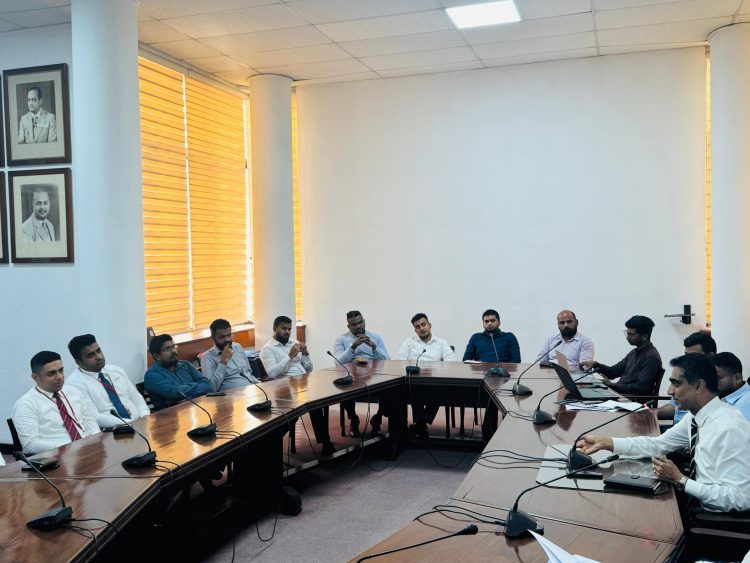
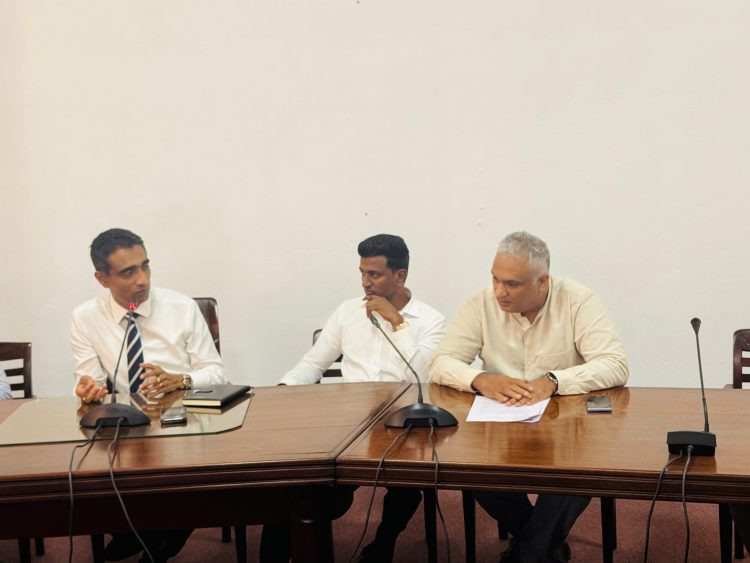
FITIS has actively convened stakeholders including global tech brands, authorised distributors, and retailers to assess the scale and formulate strategies. Discussions emphasize the need for:
- Stronger customs monitoring and enforcement against under-invoicing
- A clear registry of authorised importers for major brands
- Consumer awareness campaigns highlighting risks of grey-market purchases
- Collaboration with international principals to restrict parallel supplies
Business leaders stress that protecting legitimate channels will encourage greater foreign direct investment in distribution and service networks, creating more skilled jobs and technology transfer.
Business Opportunities in a Regulated Market
A crackdown on shadow imports would unlock significant potential for formal players. Authorised dealers could compete on service quality, genuine products, and financing options rather than just price.
Opportunities include:
- Expansion of branded experience centers and repair hubs
- Growth in enterprise solutions and B2B sales with assured warranties
- Partnerships for e-waste management and recycling initiatives
- Increased consumer confidence driving higher volumes
For SMEs in retail, a fairer environment means better access to credit and inventory planning. Global brands may deepen commitments, bringing newer models faster to Sri Lankan consumers.
Why This Matters for Sri Lanka’s Digital Future
As the government pushes initiatives like Digital Sri Lanka 2030, a healthy hardware ecosystem is foundational. Reliable access to genuine devices supports productivity, innovation, and cybersecurity key pillars of economic resilience.
Addressing shadow imports aligns with broader anti-corruption and revenue protection efforts seen in other sectors. It sends a strong signal to investors that Sri Lanka is committed to transparent, rule-based markets.
The FITIS warning serves as a timely wake-up call. Swift action from regulators, combined with industry cooperation, can transform a threat into an opportunity for robust growth in the Sri Lanka IT hardware sector.
By fostering fair competition, the country can build a more trustworthy digital marketplace benefiting consumers, businesses, and the economy alike. The path forward demands collective resolve to illuminate and eliminate these shadows once and for all.
Also in Explained | Global Economists Urge Immediate Debt Suspension for Sri Lanka Post-Cyclone Ditwah Devastation