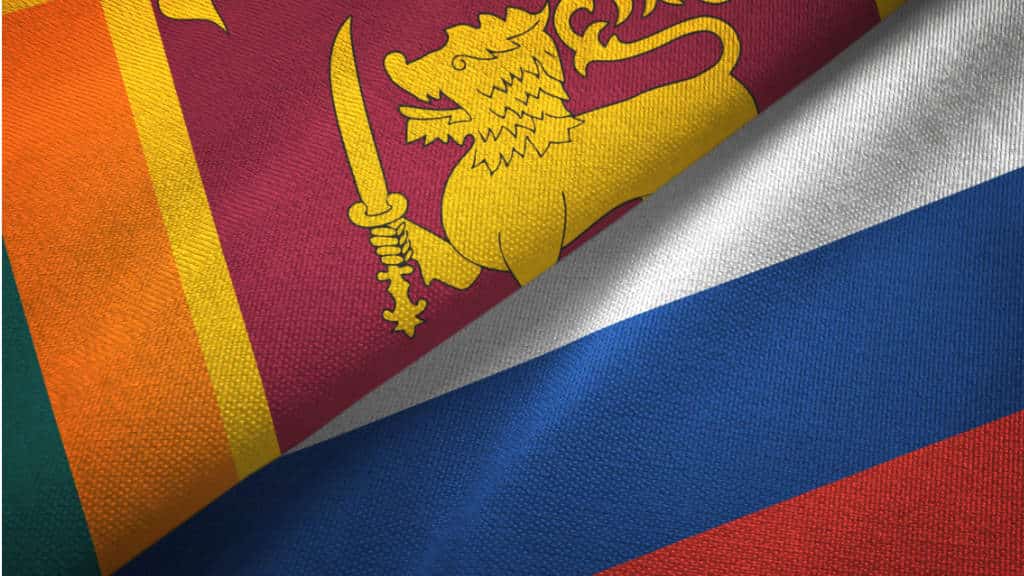
Russia investment in Sri Lanka is set to grow as Ceylon Petroleum enters discussions with Russian oil companies to secure vital fuel supplies. This partnership marks a significant step toward strengthening Sri Lanka’s energy security and diversifying its energy sources amid ongoing global supply disruptions. Sri Lanka’s state-run Ceylon Petroleum Corporation has entered into active discussions with Russian oil companies to import petroleum products, including petrol and diesel. The move comes as ongoing conflicts in the Middle East continue to disrupt traditional supply routes, tighten availability, and push prices higher. Ceylon Petroleum, the island’s sole refiner, has confirmed that talks are progressing positively, with Russian suppliers expressing readiness to provide refined products on both immediate and potentially longer-term bases.
This development underscores a pragmatic shift in Sri Lanka’s energy procurement strategy at a time when global supply chains remain volatile. For an import-dependent economy still recovering from recent macroeconomic pressures, securing alternative sources of refined fuel is not merely a short-term fix, it represents a deliberate step toward greater energy resilience and cost stability.
The timing aligns with high-level engagements between the two nations. Russian officials, including a deputy energy minister, recently visited Colombo for discussions focused on energy cooperation. Both sides have described the outcome as constructive, paving the way for potential structured supply arrangements that could help buffer Sri Lanka against future disruptions in traditional Middle Eastern and other markets.
Also in Explained | Hambantota Port Set for Major Capacity Boost: $106 Million Crane Deal Signals Renewed Momentum in Sri Lanka’s Maritime Sector
Russian Interest Extends Beyond Energy: A Policy of Pragmatic Engagement
Beyond immediate fuel supplies, Russia has repeatedly signalled broader willingness to deepen economic engagement with Sri Lanka. In early 2026, the Russian Ambassador to Sri Lanka publicly noted that Russian investors stand ready to commit capital, yet progress has been constrained by the lack of clearly defined, bankable opportunities and the practical realities of international sanctions frameworks. This sentiment reflects a consistent policy stance from Moscow: interest in Sri Lanka as a strategic partner in the Indian Ocean, tempered by the need for tangible, executable projects that align with both nations’ priorities.
This approach fits into an evolving Russian-Sri Lankan bilateral policy framework that prioritises mutual economic benefit while navigating global geopolitical complexities. Sri Lanka maintains a non-aligned foreign policy, allowing it to pursue diversified partnerships without exclusive alignment. Russia, for its part, views the island as a key node in the Indian Ocean region one that offers logistical advantages and growing potential in sectors where Russian expertise can add value.
The current oil talks illustrate this policy in action: a focused, needs-driven collaboration that addresses Sri Lanka’s immediate energy requirements while opening doors for longer-term cooperation. For Colombo, such engagement supports the “Invest Sri Lanka” initiative by demonstrating that major international players are actively exploring commercial opportunities, even in a challenging global environment.
Russia Investment in Sri Lanka: Economic and Investment Implications for Sri Lanka
From a business and investment perspective, these developments carry several important signals for Sri Lanka’s economy.
First, diversified energy sourcing enhances national resilience. Reliable access to refined petroleum products helps stabilise fuel prices, supports industrial activity, and protects consumer purchasing power — all critical factors in sustaining post-crisis recovery. Lower and more predictable energy costs can improve competitiveness for export-oriented industries such as apparel, tourism, and manufacturing, which together form the backbone of foreign exchange earnings.
Second, the talks highlight Russia’s role as a credible alternative supplier at a moment when traditional sources face constraints. This diversification reduces vulnerability to single-region supply shocks and aligns with broader government efforts to strengthen energy security through multiple partnerships.
Third, the engagement reinforces investor confidence in Sri Lanka’s openness to pragmatic deals. The “Invest Sri Lanka” project the government’s flagship platform for promoting foreign direct investment benefits when high-profile international players demonstrate concrete interest. Even if initial discussions centre on energy, they create momentum and visibility that can spill over into other sectors where Russian capital and expertise could play a constructive role, such as infrastructure development, technology transfer, and industrial modernisation.
For the Colombo Stock Exchange and local capital markets, any sustained Russian-linked inflows whether through direct investment vehicles or trade finance could contribute to improved liquidity and sentiment. The recently launched Sri Lanka Opportunity Fund, Europe’s first UCITS-regulated vehicle focused on Sri Lankan assets, already provides one regulated channel for global capital; complementary interest from non-Western partners adds further depth and diversification to the investor base.
Balancing Opportunity with Practical Realities
While the potential is clear, several realities must be acknowledged in any balanced analysis.
International sanctions continue to shape the parameters of engagement with Russian entities, requiring careful structuring of transactions to ensure compliance and minimise secondary risks. Sri Lanka’s policymakers have shown prudence in this regard, focusing on refined products rather than crude in initial discussions and maintaining transparent communication with all stakeholders.
Additionally, the success of any expanded economic relationship will depend on Sri Lanka’s ability to present clear, bankable opportunities, a point repeatedly emphasised by Russian representatives. The government’s upcoming legislative agenda, including the Investment Protection Law and Public-Private Partnership framework expected in the first half of 2026, will be instrumental in addressing this gap and translating expressed interest into actual capital commitments.
From an investment standpoint, the current moment offers a window for Sri Lankan businesses and policymakers to engage proactively. Sectors with natural synergies energy, logistics, and industrial development stand to benefit most immediately, while longer-term opportunities may emerge in areas where Russian technical know-how can support Sri Lanka’s industrial upgrading goals.
A Constructive Chapter in Bilateral Relations
The oil import discussions, combined with Russia’s stated readiness to explore broader investment avenues, reflect a maturing and pragmatic Russian-Sri Lankan economic policy. Neither side is seeking exclusive alliances; instead, both are pursuing targeted, mutually beneficial cooperation that serves Sri Lanka’s development needs while fitting within Russia’s wider international outreach.
For Sri Lanka’s economy, this represents a positive development in a period of global uncertainty. It strengthens energy security, diversifies trade partnerships, and signals to the wider investment community that the country remains an active and open destination for serious commercial engagement.
As “Invest Sri Lanka” continues to market the island’s strategic location, skilled workforce, and improving macroeconomic fundamentals, initiatives like these fuel supply talks serve as tangible proof that international partners are prepared to act when conditions align. The challenge and the opportunity now lies in building on this momentum with clear project pipelines, policy predictability, and efficient execution.
In the months ahead, the evolution of these discussions will be closely watched by investors, analysts, and policymakers alike. Should they lead to stable supply arrangements and open the door to additional Russian-linked capital flows, they could contribute meaningfully to Sri Lanka’s broader goal of sustainable, diversified growth in an increasingly multipolar global economy.
Sri Lanka’s pragmatic approach to engagement with Russia illustrates a balanced foreign economic policy: one that prioritises national interests, energy security, and investment attraction without compromising strategic autonomy. As the country advances its reform agenda and positions itself as an Indian Ocean hub, such partnerships when structured transparently and effectively can play a supportive role in accelerating recovery and long-term prosperity.
(Disclaimer: This analysis is for informational purposes only and does not constitute investment or policy advice. Energy markets and bilateral agreements are subject to ongoing developments, regulatory requirements, and international considerations. Consult official sources and professional advisers for the latest updates.)