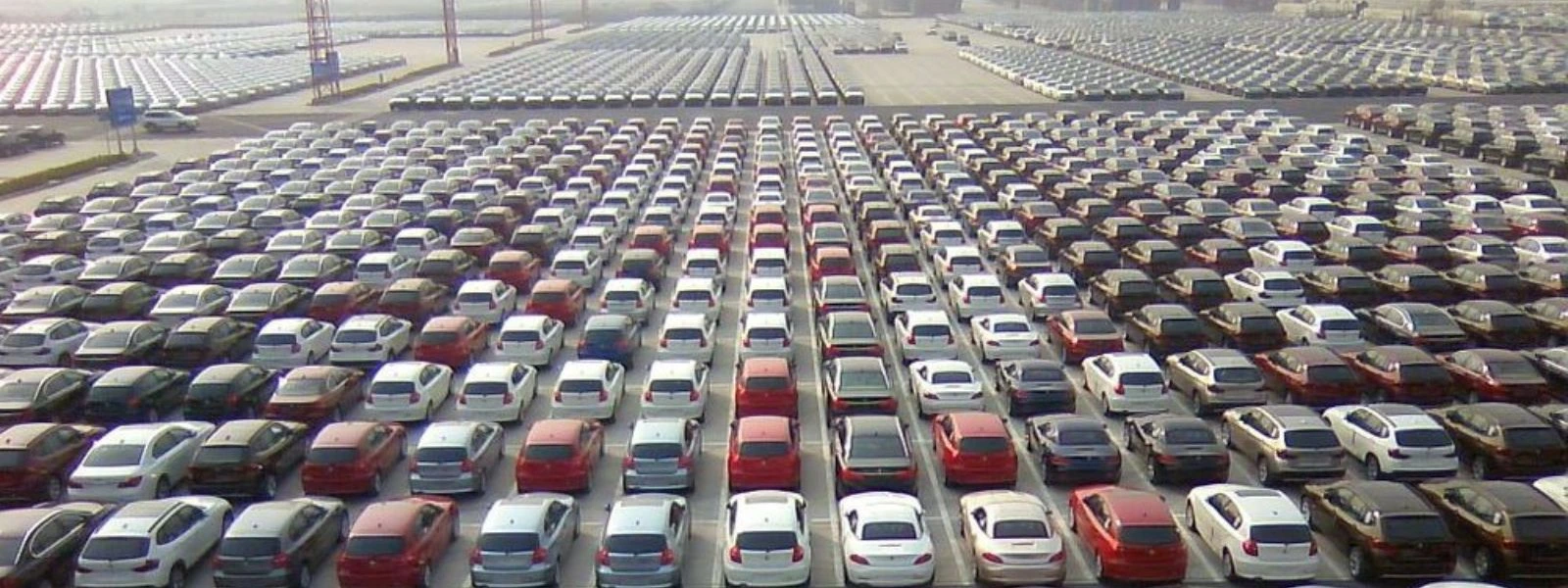
Japanese used vehicles have long been the cornerstone of Sri Lanka’s automotive market, and even after the 2025 reopening of imports, they continue to dominate despite emerging competition. In the first half of 2025 alone, Japanese car exports to Sri Lanka reached approximately $318 million in value, reflecting a sharp jump post-ban. Brands like Toyota, Honda, Nissan, and Suzuki account for the vast majority of used imports, underscoring their enduring appeal.
Also in Explained | Stories from the Market: How the Import Ban and Reopening Affected Dealers, Buyers, and the Economy
The popularity stems from several factors. Japanese vehicles are renowned for reliability, fuel efficiency, and longevity, qualities honed by the country’s strict maintenance culture. Most imports are relatively young typically under three years old to comply with regulations with low mileage due to Japan’s excellent public transport and high turnover. Models like the Toyota Aqua and Prius hybrids, Honda Vezel, and Suzuki Wagon R are favorites for their economical operation amid high local fuel costs.
The import process from Japan is streamlined and transparent. Vehicles are sourced primarily through major auctions such as USS, TAA, and JU, where detailed inspections grade condition, accident history, and features. Successful bidders receive an auction sheet, translated export certificate, and the shaken (roadworthy) certificate, providing buyers assurance of quality. Exporters in Japan handle radiation checks and deregistration, ensuring compliance.
In Sri Lanka, these vehicles offer excellent value. Depreciated in Japan but still modern, they arrive with advanced features like hybrid technology, safety systems, and infotainment that rival new cars elsewhere. Despite hefty taxes often tripling the purchase price they remain more affordable than equivalent new models from other origins.
Market data highlights dominance. Japanese brands overwhelmingly lead registrations, with hybrids particularly sought after for tax concessions. Even as total imports hit around 250,000 units in the first ten months of 2025, Japanese used cars formed the bulk, supported by established importer networks and consumer trust built over decades.
Quality control is a key differentiator. Japan’s rigorous biannual shaken inspections mean exported vehicles are well-maintained, reducing breakdown risks. Rust-free bodies, precise engineering, and durable components suit Sri Lanka’s varied roads and climate. Resale value holds strong, with popular models retaining worth better than competitors.
However, 2025 saw challenges to this dominance. New electric vehicles from China and brand-new Indian/Chinese cars gained traction, reportedly outpacing used Japanese sales in some months due to lower initial prices and modern designs. Budget-conscious buyers shifted toward these alternatives, drawn by incentives for electrics and aggressive dealer promotions.
Still, Japanese used imports retained market leadership through reputation
Many buyers prioritize proven reliability over untested newer brands, especially for family use. The variety sedans, SUVs, vans, kei cars caters to diverse needs, from urban commuting to rural transport.
Cultural factors play a role too. Sri Lankans associate Japanese cars with status and dependability, a perception reinforced by generations of ownership. Spare parts availability is abundant, with local mechanics expert in these brands.
Post-ban, the influx stabilized used domestic prices, which had skyrocketed during restrictions. Fresh Japanese stock provided options, easing shortages.
Looking ahead, Japanese used vehicles are likely to maintain significant share, though hybridization and electrification trends may evolve preferences. Importers adapt by focusing on newer hybrids and mild-electrics from Japan.
This dominance reflects a blend of quality engineering, transparent sourcing, and consumer loyalty. For many Sri Lankans, a Japanese used car remains the smart, reliable choice in a high-tax environment.
Also in Explained | Exploiting Loopholes: Vehicle Imports During Sri Lanka’s Ban and Customs’ Digital Crackdown