
As Sri Lanka accelerates its digital transformation and economic recovery, the Central Environmental Authority has issued a strong appeal for responsible disposal of electronic waste, commonly known as e-waste. This initiative emphasizes safe storage and proper handover through authorized channels to mitigate environmental harm and health risks. With growing volumes of discarded electronics from households and businesses, the push highlights the urgent need for structured management systems to protect ecosystems and public well-being.
This development comes at a time when e-waste generation is surging globally and locally, driven by rapid technology adoption. Proper disposal not only safeguards the environment but also unlocks economic value through recycling, positioning Sri Lanka to align with sustainable development goals.
Also in Explained | Shadow Imports Flood Sri Lanka’s Computer Hardware Market, Threatening Legitimate
The Growing E-Waste Challenge in Sri Lanka
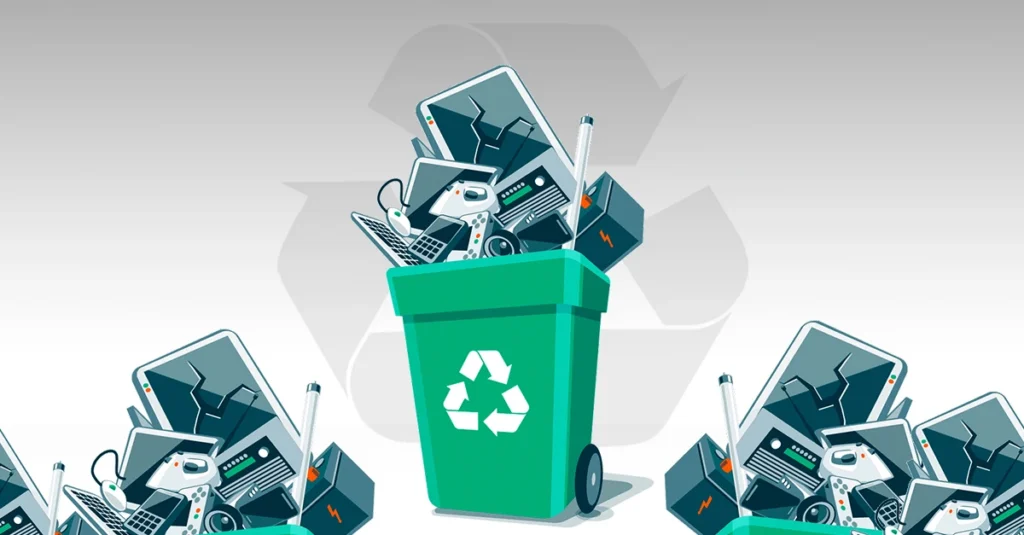
E-waste encompasses discarded electrical and electronic devices, including old mobile phones, computers, refrigerators, and televisions. In Sri Lanka, the proliferation of consumer electronics has led to significant waste accumulation, particularly in urban areas like the Western Province. Informal disposal methods, such as dumping in landfills or burning, exacerbate the problem, releasing toxic substances into soil, water, and air.
The authority’s call urges the public to store e-waste securely until it can be submitted via collection campaigns or directly at licensed facilities. These centers, concentrated in the Western Province, ensure environmentally sound processing. Nationwide campaigns organized by relevant institutions provide accessible drop-off points, encouraging community participation to reduce haphazard discarding.
This initiative addresses a critical gap: without proper systems, e-waste often ends up in unregulated channels, contributing to pollution and resource loss. As device lifecycles shorten due to technological advancements, annual e-waste volumes are projected to rise, making responsible disposal a national priority.
Environmental Impacts of Improper E-Waste Disposal
Improper handling of e-waste poses severe environmental threats. Devices contain hazardous materials like lead, mercury, cadmium, and brominated flame retardants, which leach into groundwater and soil when dumped in landfills. In Sri Lanka, where waste management infrastructure is still developing, such contamination affects rivers, coastal areas, and agricultural lands, disrupting biodiversity and ecosystems.
Burning e-waste, a common informal practice, releases dioxins and furans persistent organic pollutants that contribute to air quality degradation and climate change. These emissions can travel long distances, impacting remote areas and exacerbating respiratory issues in densely populated regions. Studies indicate that e-waste mismanagement intensifies soil degradation, reducing fertility and affecting food security in agrarian communities.
Marine environments are also at risk, with pollutants entering oceans through runoff, harming aquatic life and coral reefs. As Sri Lanka relies on its natural resources for tourism and fisheries, unchecked e-waste disposal could undermine these sectors, leading to long-term ecological imbalances.
Health Risks Associated with E-Waste
The health implications of e-waste are equally alarming. Exposure to toxic components can cause neurological damage, respiratory problems, and developmental issues, particularly in vulnerable groups like children and pregnant women. Informal recyclers, often operating without protective gear, face direct risks from handling hazardous materials, leading to skin disorders, cancers, and reproductive health complications.
In urban Sri Lanka, where e-waste is frequently processed in backyard operations, communities experience elevated levels of heavy metal poisoning. Airborne pollutants from burning contribute to chronic diseases, straining public health systems. The authority’s emphasis on responsible disposal aims to curb these risks by channeling waste to facilities equipped with safe extraction technologies.
Promoting awareness is key, as many households remain unaware of the dangers. Educational campaigns can empower citizens to adopt safer practices, reducing overall health burdens and healthcare costs.
Regulatory Framework Supporting E-Waste Management
Sri Lanka’s regulatory landscape for e-waste is evolving to meet international standards. Key regulations mandate licensing for waste handlers, covering collection, transportation, storage, recycling, and disposal. Facilities must comply with environmental protection guidelines to prevent pollution.
The framework includes provisions for importing recyclable materials under controlled conditions, ensuring traceability and safety. Licensed collectors are registered, providing a network for public handover. These measures align with global conventions, promoting a circular economy where valuable metals like gold, silver, and copper are recovered from e-waste.
Enforcement involves monitoring and penalties for non-compliance, encouraging businesses and individuals to adhere to standards. The authority’s web portal lists authorized centers, facilitating access and transparency. Ongoing updates to regulations aim to address emerging challenges, such as increasing e-waste from renewable energy devices like solar panels.
Business Opportunities in E-Waste Recycling
The call for responsible disposal opens substantial business avenues in e-waste recycling. With recoverable materials valued globally, Sri Lanka’s sector could generate jobs and revenue through formal recycling operations. Entrepreneurs can establish collection centers, processing plants, or material recovery facilities, capitalizing on demand for recycled metals in manufacturing.
Innovative models, such as partnerships with IT firms for device take-back programs, reduce corporate waste while creating supply chains for refurbished goods. Grants and incentives for e-waste projects support startups, fostering a green economy. Circular economy principles, like redesigning products for easier recycling, attract investment in sustainable technologies.
SMEs can specialize in niche areas, such as data destruction services or exporting processed e-waste. As consumer awareness grows, demand for eco-friendly disposal services rises, offering branding opportunities for businesses emphasizing corporate social responsibility. The sector’s potential for export earnings, through recovered commodities, aligns with national goals for resource efficiency.
Challenges and the Path Forward
Despite progress, challenges persist. Limited infrastructure in rural areas hinders widespread collection, while informal sectors undercut formal operations with lower costs. Public apathy and lack of awareness further complicate efforts, necessitating targeted education campaigns.
To overcome these, investments in nationwide facilities and technology upgrades are essential. Public-private partnerships can expand reach, integrating e-waste management into urban planning. International collaborations provide expertise and funding, accelerating adoption of best practices.
Looking ahead, integrating e-waste strategies into broader sustainability plans will be crucial. By 2030, enhanced regulations and innovation could position Sri Lanka as a regional leader in responsible waste handling, benefiting environment, health, and economy.
Why Responsible E-Waste Disposal Matters for Sri Lanka’s Future
The authority’s urging is a timely reminder of collective responsibility. Responsible disposal not only averts crises but transforms waste into resources, supporting a resilient economy. Businesses and citizens alike stand to gain from embracing these practices, fostering a cleaner, healthier nation.
As digital reliance grows, proactive measures ensure sustainable progress. Engaging communities through campaigns builds momentum, turning e-waste from a liability into an opportunity for innovation and growth.
Also in Explained | Bank of Ceylon’s Rs. 20 Billion Sustainability Bonds: What It Means for Sri Lanka’s Capital Market