
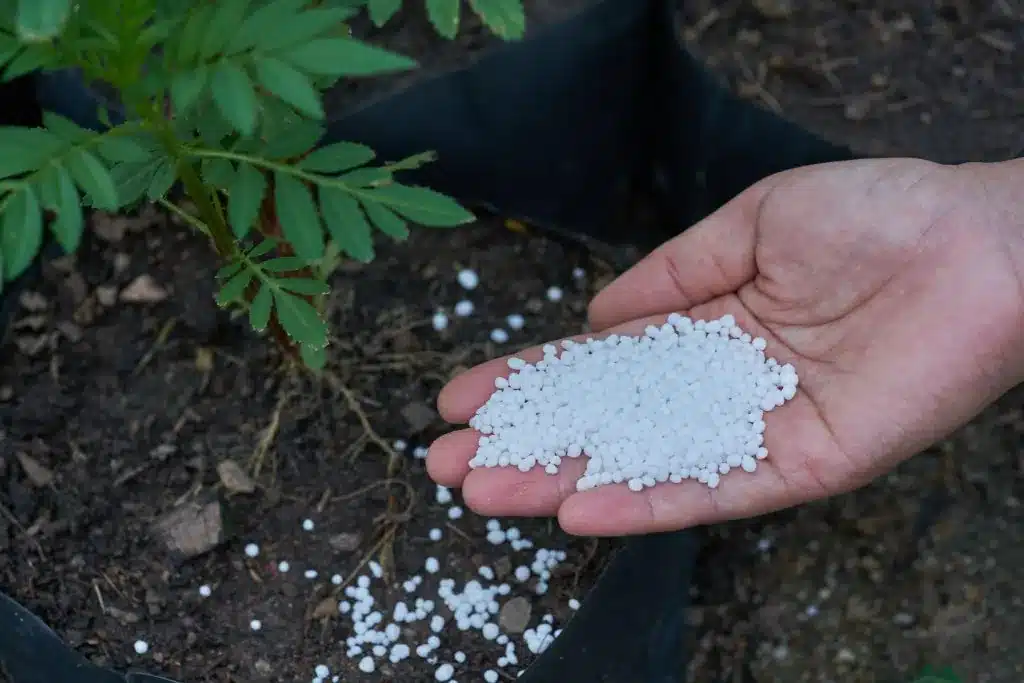
Sri Lanka’s agriculture sector, which supports millions of farming families and underpins food security and export earnings, faces a new external risk in March 2026. The ongoing Middle East conflict has triggered severe disruptions to shipping through the Strait of Hormuz, a critical chokepoint for global fertiliser trade. Urea, Sri Lanka’s most widely used nitrogen fertiliser for paddy, tea, rubber and other crops, is heavily dependent on supplies routed through this narrow waterway.
Verified data from multiple authoritative sources, including the International Fertilizer Association, Bloomberg Intelligence, IFPRI and trade analytics, confirm that the Gulf region accounts for approximately 34–49% of global urea exports, with nearly all shipments transiting the Strait of Hormuz. As of early March 2026, shipping traffic through the strait has fallen by approximately 90%, insurance costs have become prohibitive, and production at major Gulf facilities has been curtailed. This analysis examines the verified facts, Sri Lanka’s exposure, and the potential economic consequences for farmers, food production and the broader recovery.
Also in Explained | Sri Lanka Fuel Price Hike March 2026: Rs. 22–25 Increase in Diesel and Petrol – Full Impact on Economy, Businesses and Daily Life
The Strait of Hormuz: A Vital Artery for Global Urea Trade
The Strait of Hormuz is one of the world’s most strategic maritime passages. Beyond handling roughly 20% of global oil and LNG trade, it serves as the primary export route for nitrogen fertilisers produced in the Persian Gulf. Countries in the region notably Qatar, Iran, Saudi Arabia and the UAE are among the top global urea suppliers.
- Qatar alone contributes approximately 11% of world urea exports (around 5.5–6 million metric tonnes annually).
- Iran accounts for 10–12% of global urea trade (roughly 5 million metric tonnes per year).
- Combined Gulf production and export capacity represents 40–50% of internationally traded urea, with the vast majority of these volumes physically moving through the Strait of Hormuz to reach Asian and other markets.
In 2024–2025, an estimated 15–18.5 million tonnes of urea and related nitrogen products passed through the strait each year. The region’s abundant natural gas feedstock makes Gulf urea competitively priced and essential for import-dependent countries like Sri Lanka.
Sri Lanka’s Urea Import Profile and Gulf Dependency
Sri Lanka does not produce urea domestically and relies entirely on imports to meet agricultural demand. In 2025, the country imported substantial volumes of urea, with China, Qatar and Iran emerging as the leading suppliers according to trade data. These three sources together accounted for the majority of Sri Lanka’s urea purchases.
Recent figures illustrate the scale: in October 2025 alone, Sri Lanka imported approximately 46,448 tonnes of urea, with import values rising 6.23% year-on-year. Qatar and Iran have consistently featured among the top origins, alongside China. Because Gulf producers ship large volumes via the Strait of Hormuz, any sustained disruption directly affects availability and landed costs for Sri Lankan importers.
Sri Lanka’s fertiliser subsidy programme and the seasonal needs of the Maha and Yala cultivation cycles make timely and affordable urea supplies critical. Paddy farmers, who form the backbone of national food production, are particularly dependent on urea for nitrogen application during key growth stages.
Current Conflict: Verified Disruptions and Immediate Effects
Since late February 2026, escalating hostilities have effectively closed or severely restricted commercial shipping through the Strait of Hormuz. Multiple independent reports confirm:
- Vessel traffic has dropped by approximately 90%, with hundreds of merchant ships stranded and marine insurance premiums for Persian Gulf transits becoming prohibitively expensive.
- Qatar Energy declared force majeure on LNG shipments after attacks on facilities, halting production at the world’s largest single-site urea plant. This directly reduces available export volumes.
- Ammonia and urea shipments from other Gulf producers have been blocked or delayed, with vessels carrying fertiliser reported stuck in the region.
- Global urea prices have surged rapidly rising from around USD 450 per tonne to over USD 584 per tonne in some benchmarks within days, reflecting both reduced supply and heightened risk premiums.
These developments are not speculative; they are corroborated across sources including Bloomberg, Reuters, IFPRI, Argus Media and the American Farm Bureau Federation as of 10 March 2026. Production cuts and shipping halts have already tightened global urea availability just as Northern Hemisphere planting seasons intensify.
Potential Impact on Sri Lanka’s Agriculture and Economy after Middle East Conflict
For Sri Lanka, the effects will primarily materialise through higher import prices and possible delays in delivery rather than complete cut-off. Alternative sourcing from China or other non-Gulf producers may partially offset shortfalls, but global price pressure will still raise costs.
Farmers face the most immediate burden. Urea constitutes a major share of fertiliser expenditure for paddy and other crops. A sustained 20–30% rise in landed costs could squeeze margins, potentially leading to reduced application rates, lower yields, or higher food prices. In a country still recovering from the 2022 economic crisis and Cyclone Ditwah damage, any additional pressure on agriculture risks undermining rural incomes and food security.
Broader economic ripple effects include:
- Increased input costs for tea and rubber exporters, affecting foreign exchange earnings.
- Potential upward pressure on inflation, which has been moderating in early 2026.
- Strain on government fertiliser subsidy budgets if retail prices rise sharply.
Sri Lanka’s current macroeconomic buffers gross official reserves above USD 6.8 billion and a current account surplus provide some resilience. However, repeated external shocks like the recent fuel price hikes combined with the possible fertiliser cost increases in coming days highlight ongoing vulnerability to global commodity and shipping disruptions.
Outlook and Strategic Considerations for Sri Lanka
The situation remains fluid. A swift resolution of the conflict could restore shipping flows within weeks, but a prolonged closure would amplify global fertiliser shortages and price volatility through the 2026 planting seasons.
For Sri Lanka, the crisis underscores the need for accelerated diversification of fertiliser sources, investment in nutrient-use efficiency programmes, and exploration of alternative nitrogen products or domestic organic options where feasible. Timely procurement planning by importers, transparent communication from authorities on subsidy adjustments, and support for farmers through extension services will be essential to mitigate short-term impacts.
Sri Lanka’s agriculture sector has shown remarkable resilience in recent years. With prudent management and proactive sourcing, the country can navigate this latest global supply-chain challenge while continuing its broader economic recovery trajectory.
The Strait of Hormuz events of March 2026 serve as a clear reminder of how interconnected Sri Lanka’s farming communities are with distant geopolitical developments. Monitoring global fertiliser markets and strengthening supply-chain resilience remain priorities as the island nation advances toward sustainable agricultural growth.
Also in Explained | How Is Sri Lanka Supporting the Nearly 10,000 Tourists Stranded by the Middle East Crisis?