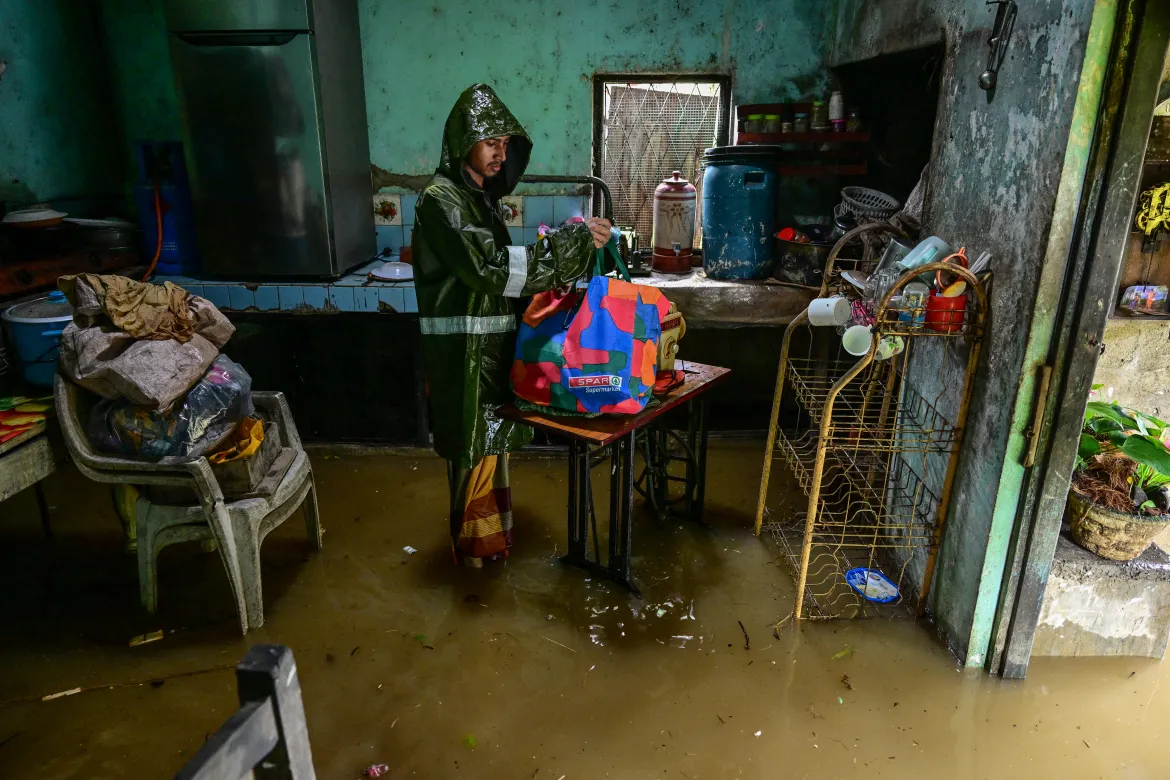
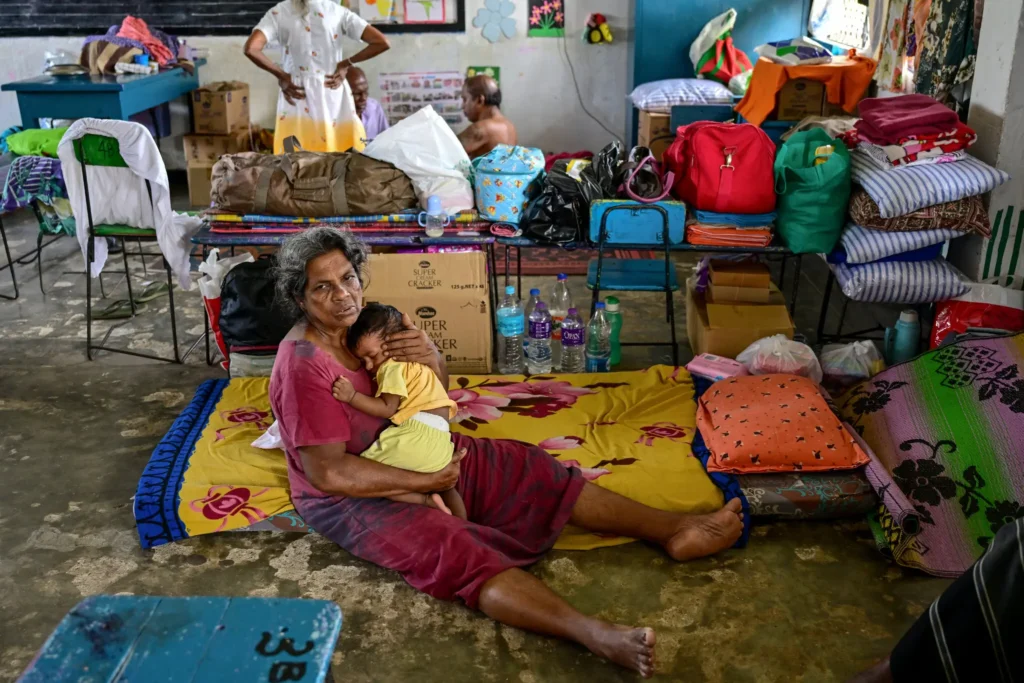
Sri Lanka’s recent cyclone and floods have left behind more than damaged roads, submerged fields, and disrupted supply chains. The mental health toll is emerging as one of the most significant yet least measured economic costs. According to UNICEF, over 275,000 children were affected, while the UN estimates nearly 1 million people displaced. Behind these statistics lies a silent crisis; trauma, anxiety, depression, and stress disorders that reduce productivity, weaken household resilience, and slow national recovery.
For a country already managing debt restructuring and fragile growth, the cost of mental health post‑disaster is not just a humanitarian issue, it is an economic priority.
The Economic Burden of Mental Health
1. Lost Productivity
- Employees struggling with stress or grief show reduced efficiency, slower decision‑making, and higher error rates.
- Floods and cyclones disrupt workplaces, but trauma prolongs absenteeism.
- The hidden productivity loss often exceeds visible infrastructure damage.
2. Healthcare System Strain
- Sri Lanka’s health system, exposed during Cyclone Ditwah, lacks integrated climate‑health dashboards EconomyNext.
- Hospitals already overwhelmed by physical injuries must now manage psychological care.
- Without investment, untreated mental health conditions escalate into chronic illness, raising long‑term costs.
3. Household Financial Stress
- Families face dual burdens: repairing homes and coping with trauma.
- Increased spending on medication, counselling, or informal remedies reduces disposable income.
- This weakens consumer demand, slowing recovery in retail and services.
4. Education Disruption
- School closures and trauma among children reduce learning outcomes.
- Long‑term skill gaps emerge, affecting future workforce competitiveness.
Why Businesses Should Care
For Sri Lanka’s private sector, ignoring mental health is costly:
- MSMEs: Small enterprises, already vulnerable to floods, face prolonged downtime when owners and staff are mentally distressed.
- Tourism: Negative perceptions of safety combine with stressed service providers, reducing visitor experience quality.
- Agriculture: Farmers coping with trauma delay replanting, worsening food inflation.
- Corporate Sector: Employee burnout increases turnover, recruitment costs, and insurance claims.
Mental health is not just a social issue; it is a business continuity risk.
Policy and Structural Gaps
- Low Insurance Penetration: Few policies cover psychological care, leaving households exposed.
- Weak Disaster Preparedness: Relief centres lack trained counsellors, focusing only on food and shelter.
- Limited Public Awareness: Stigma around mental health prevents early intervention.
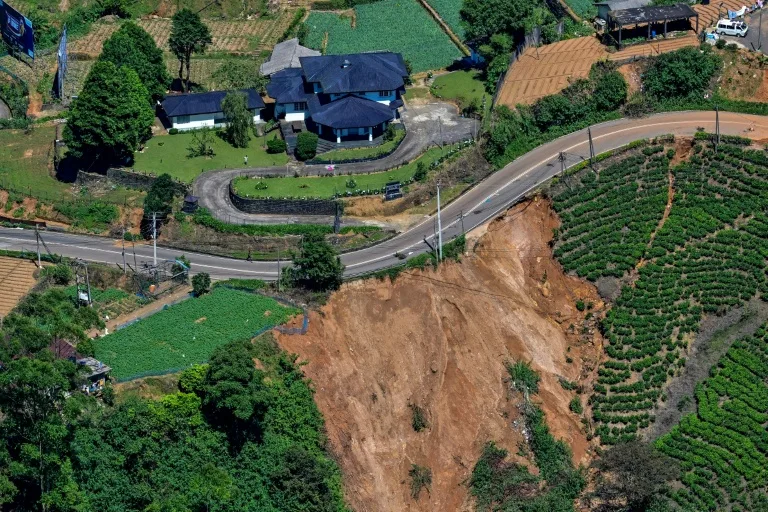
- Urban Planning Failures: Poor drainage and illegal construction amplify disasters, increasing trauma exposure.
Digital Recommendations for Resilience
1. Predictive Analytics for Disaster Mental Health
- Use Social Media to forecast mental health demand based on displacement, age groups, and disaster severity.
- Helps allocate counsellors, medication, and digital support platforms efficiently.
2. Digital Mental Health Platforms
- Mobile apps offering counselling, stress management, and peer support can reach displaced populations.
3. Climate‑Health Dashboards
- Integrated systems linking weather data with health outcomes improve preparedness.
Strategic Priorities for Sri Lanka
1. Resilient Infrastructure
- Build flood‑resistant hospitals and schools with integrated counselling spaces.
- Ensure power and connectivity for tele‑health services during disasters.
2. Insurance Reform
- Introduce parametric insurance covering mental health costs triggered by disaster thresholds.
- Expand SME disaster policies to include psychological recovery support.
3. Public‑Private Partnerships
- Corporates should invest in employee mental health programmes as part of resilience planning.
- Telecom and fintech firms can enable digital counselling and micro‑insurance.
4. Education and Awareness
- Integrate disaster psychology into school curricula.
- Launch national campaigns to reduce stigma and encourage early treatment.
Conclusion: Mental Health Is Economic Health
Sri Lanka’s cyclone and floods have shown that mental health is inseparable from economic recovery. Productivity losses, household stress, and education setbacks all translate into measurable GDP impact.
The path forward requires:
- Safety first – protect lives and psychological well‑being.
- Resilient systems – integrate mental health into disaster planning.
- Digital‑enabled solutions – predictive analytics, digital counselling, and workplace monitoring.
- Policy reform – insurance, infrastructure, and awareness campaigns.
Sri Lanka cannot afford to rebuild only roads and bridges. It must also rebuild the mental resilience of its people. Only then can the nation achieve durable recovery and sustainable growth.

Also in Explained | After Cyclone Ditwah: What Sri Lanka’s Disaster Readiness Really Reveals
Also in Explained | Rebuilding After the Cyclone: What Sri Lanka’s Economy Needs Now