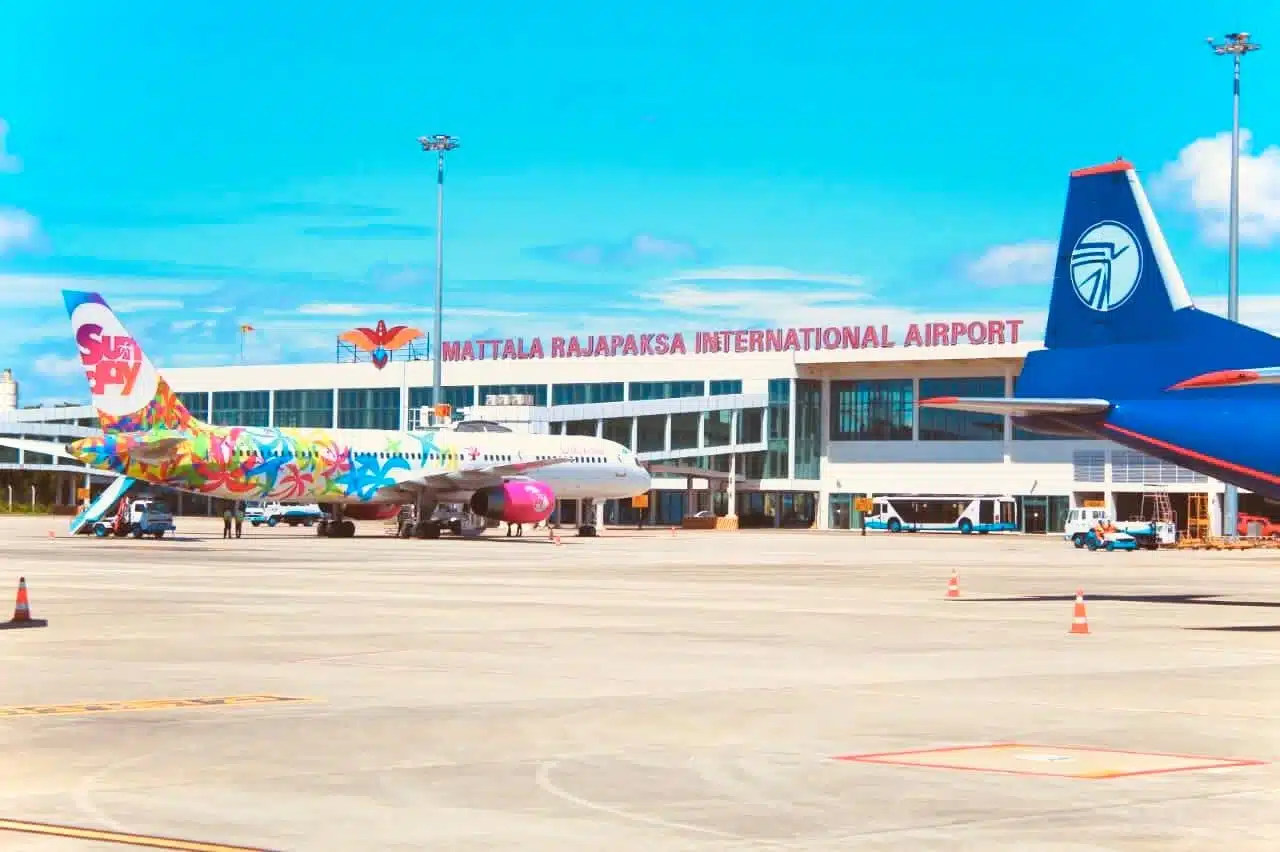
Sri Lanka’s Mattala Airport, once called a white elephant and a “ghost airport” because of its empty runways, is suddenly in the spotlight. On March 20, 2026, aviation analyst Ben Schlappig described the idea of turning it into a hub for Emirates and Qatar Airways as “not a bad idea.” The comment, shared widely on social media and aviation blogs, comes as Sri Lanka holds talks with these two giant Gulf carriers.
The proposal is simple but timely. With escalating tensions in the Middle East causing flight disruptions, rerouting, and uncertainty, airlines need safe, reliable alternatives. Mattala sits right on key east-west flight paths, has a long 3,500-metre runway ready for the biggest planes, and is largely empty making it perfect for quick scaling up. Sri Lankan officials say both Emirates and Qatar have shown “strong interest.”
This story is more than local news. It shows how global crises can suddenly open doors for smaller countries like Sri Lanka.
Also in Explained | What is Rural Tourism and How Can Sri Lanka Improve It for Greater Impact?
Why Mattala Airport Now? The Global Aviation Shake-Up
Middle East airspace has become risky. Conflicts have forced many flights to take longer routes, raising fuel costs and delaying passengers. Emirates and Qatar Airways two of the world’s busiest long-haul carriers face real pressure to protect their networks.
Mattala offers a smart backup. Its location south of India keeps connections to Europe, Asia, and Africa short and efficient. Instead of circling troubled zones, planes could stop here for refuelling, crew changes, or even passenger transfers. One Mile at a Time blogger Ben Schlappig pointed out that a “large, nearly abandoned airport with good geography” could turn a weakness into strength.
Globally, this could reshape airline planning. Major carriers are quietly looking for “Plan B” hubs. If Mattala works, other underused airports in safe regions might get similar offers. It also highlights how oil price swings, airspace closures, and geopolitics directly hit ticket prices and flight schedules everywhere.
What It Could Mean for Sri Lanka
For Sri Lanka, this is a golden chance. The country has struggled with tourism since the 2022 economic crisis. More flights through Mattala would bring thousands of transit passengers and many might stay for a beach break or safari.
Jobs would follow: ground staff, catering teams, hotel workers near the airport. The government is already fast-tracking talks, and experts say regulatory freedom (open skies and eighth freedom rights) makes Mattala attractive.
But challenges are real. The airport needs better ground handling, reliable fuel supply, crew hotels, and quick customs. Building these fast will cost money, yet Sri Lanka sees it as an investment that could finally justify the airport’s original price tag.
Deputy Minister of Aviation Janitha Ruwan Kodithuwakku confirmed discussions are moving ahead. If even a small part of Emirates or Qatar’s operations shifts here, Mattala stops being a ghost airport and starts paying its way.
A Creative Fix in Uncertain Times
This is not just about one airport. It shows how connected the world is. A crisis thousands of kilometres away in the Middle East can give new life to a Sri Lankan runway built years ago for different reasons.
Analyst Ben Schlappig summed it up well: the idea is creative and practical. For global airlines facing chaos, Mattala offers calm and capacity. For Sri Lanka, it offers hope and growth.
Businesses and travellers should watch closely. If deals are signed in the coming weeks, 2026 could mark the year Sri Lanka’s “ghost airport” finally flies high helping both local tourism and world aviation stay on track.
Also in Explained | How Is the Middle East Conflict Affecting Sri Lanka’s 2026 Tourism Targets?