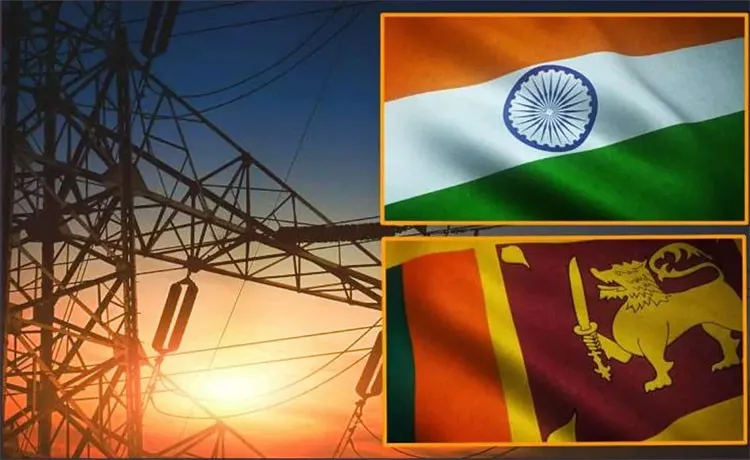
The India-Sri Lanka HVDC Interconnection represents one of South Asia’s most strategically significant energy infrastructure projects, promising to reshape the region’s power landscape through a 400-kilometer submarine and overhead transmission system. As both nations move toward implementation, understanding the multifaceted implications of this cross-border energy corridor becomes crucial for stakeholders, investors, and citizens alike.
Project Overview and Technical Specifications
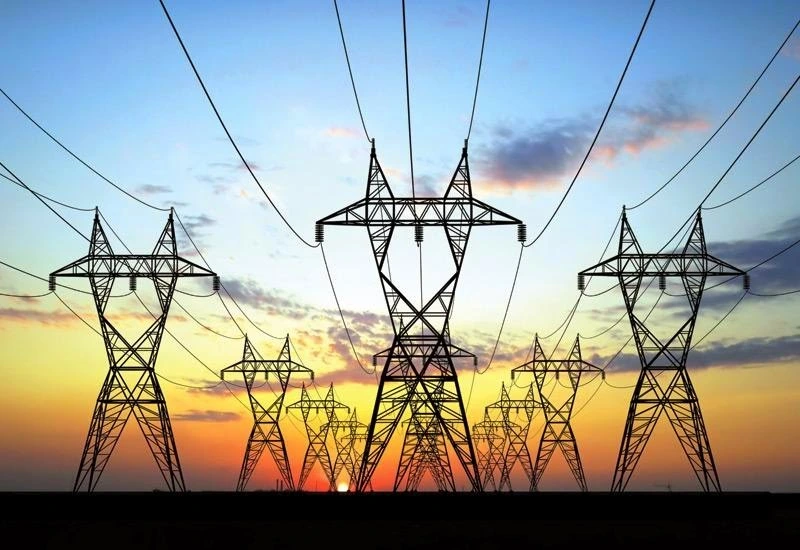
The India-Sri Lanka power grid interconnection involves a High Voltage Direct Current (HVDC) transmission line spanning approximately 400 kilometers, with roughly 60 kilometers traversing land and 340 kilometers underwater through the Palk Strait. The system’s capacity of 1,000 MW positions it as a substantial addition to Sri Lanka’s existing power generation capacity of around 4,000 MW, potentially contributing up to 25% of the island nation’s electricity requirements.
The technical architecture employs HVDC technology rather than conventional alternating current, a critical decision driven by the submarine cable requirements and efficiency considerations over long distances. This technology minimizes transmission losses and allows asynchronous interconnection between the two power grids, providing operational flexibility that conventional systems cannot match.
Economic Advantages and Cost Dynamics
The economic rationale for the India-Sri Lanka power interconnection rests on several compelling factors. Sri Lanka’s power generation costs have historically fluctuated between 15-25 rupees per unit during peak demand periods, particularly when relying on thermal generation. The interconnection promises competitive tariff structures that could substantially reduce electricity costs for consumers and industries.
Energy security represents another significant economic benefit. Sri Lanka’s heavy dependence on imported fossil fuels for thermal power generation exposes the economy to volatile international energy markets. The 2022 economic crisis starkly illustrated this vulnerability when fuel shortages led to extended power cuts, disrupting economic activity and daily life. A stable power import arrangement provides buffer capacity against such disruptions.
The project also positions Sri Lanka to access India’s increasingly diversified energy mix, which includes substantial renewable energy capacity. As India aggressively expands its solar and wind generation capabilities, Sri Lanka could indirectly benefit from cleaner energy sources without bearing the full capital costs of developing equivalent domestic renewable infrastructure.
For businesses and industrial operations, reliable and cost-effective electricity supply directly impacts competitiveness. Manufacturing, tourism infrastructure, cold chain logistics, and technology sectors particularly stand to benefit from improved power reliability and potentially lower operational costs.
Strategic Energy Security Considerations
The interconnection fundamentally alters Sri Lanka’s energy security equation by introducing supply diversification. Rather than complete dependence on domestic generation capacity and imported fuel, the system creates a third pillar in the energy portfolio. During periods of domestic generation shortfalls whether due to drought affecting hydropower, maintenance requirements, or fuel supply disruptions imported power can fill gaps without resorting to scheduled power cuts.
The bidirectional capability, though likely to see predominantly India-to-Sri Lanka flows initially, offers theoretical opportunities for Sri Lanka to export surplus renewable energy during periods of high hydropower or wind generation. This flexibility could become increasingly valuable as both nations develop their renewable energy sectors.
However, energy security also encompasses autonomy considerations. Depending significantly on imported power creates exposure to supply-side decisions beyond domestic control. Power trading agreements, pricing mechanisms, and supply guarantees require robust frameworks to ensure Sri Lanka’s energy needs receive appropriate priority.
Technical and Operational Challenges
Implementing a submarine HVDC interconnection across the Palk Strait presents significant engineering challenges. Marine environment considerations include fishing activities, shipping lanes, potential seismic activity, and long-term cable integrity in saltwater conditions. Installation and maintenance costs for submarine cables substantially exceed terrestrial transmission infrastructure.
Grid synchronization and management represent another technical dimension. Integrating substantial imported power requires sophisticated grid management capabilities to balance supply and demand, manage frequency variations, and ensure system stability. The Ceylon Electricity Board would need enhanced technical capabilities and real-time coordination mechanisms with Indian counterparts.
The question of backup capacity and redundancy also merits attention. If the interconnection becomes a significant portion of supply, contingency planning for potential outages whether due to technical faults, maintenance requirements, or other disruptions becomes critical to avoid widespread impacts.
Financial and Economic Risk Factors
The project’s substantial capital requirements translate into long-term financial commitments. Whether financed through bilateral arrangements, development banks, or commercial loans, the debt servicing obligations extend decades into the future. Currency fluctuations add another layer of financial risk, particularly if payment obligations are denominated in foreign currency while revenues are collected in local currency.
Power purchase agreements typically involve take-or-pay provisions or minimum offtake commitments. If domestic power demand doesn’t grow as projected or if domestic generation becomes more competitive, Sri Lanka could face financial obligations for power capacity that isn’t economically optimal to utilize.
The competitive dynamics with domestic power generation also warrant consideration. Substantial imported power could impact the financial viability of existing and planned domestic generation capacity, particularly renewable energy projects. Finding the optimal balance between imported supply and domestic generation development requires careful policy calibration.
Environmental and Sustainability Dimensions
From an environmental perspective, the interconnection’s impact depends significantly on the source generation mix. If imported power predominantly comes from India’s renewable sources, Sri Lanka’s overall emissions profile improves. Conversely, if the supply relies heavily on coal-fired generation, the environmental benefits diminish despite potentially lower direct emissions within Sri Lankan territory.
The submarine cable installation process itself requires environmental impact assessment, particularly regarding marine ecosystems, fishing grounds, and potential impacts on Palk Strait’s unique ecological characteristics. Ongoing monitoring and mitigation strategies form essential components of responsible project implementation.
Critical Success Factors
Several factors will determine the interconnection’s ultimate success and value delivery. Transparent and fair pricing mechanisms that reflect true costs while remaining competitive with domestic alternatives are fundamental. Regular review mechanisms should allow adjustments based on changing market conditions and technological developments.
Robust regulatory frameworks governing cross-border electricity trade, dispute resolution mechanisms, and performance standards provide necessary certainty for all stakeholders. Technical capability development within Sri Lankan institutions ensures effective participation in operational decisions and problem-solving.
Diversified energy strategy remains essential the interconnection should complement rather than substitute domestic renewable energy development. Solar, wind, and other renewable resources offer long-term energy independence and economic benefits that imported power cannot fully replicate.
Looking Forward
The India-Sri Lanka power grid interconnection represents a significant infrastructure initiative with potential to deliver substantial benefits while introducing new considerations for energy planning and management. Success depends on balanced implementation that maximizes economic advantages and energy security benefits while maintaining strategic autonomy and supporting domestic energy sector development.
As the project moves toward operational reality, continuous assessment of costs, benefits, and emerging challenges will enable adaptive management that serves Sri Lanka’s long-term energy and economic interests. The interconnection is ultimately a tool whose value depends on how effectively it’s integrated into a comprehensive energy strategy that balances multiple objectives and stakeholder interests.
Lanka Biz News covers the intersection of innovation, investment, and impact in Sri Lanka’s dynamic business landscape. Follow us for more on emerging sectors shaping the island’s future.