The lifting of Sri Lanka’s vehicle import ban in 2025 marked a dramatic shift, unleashing stories of revival, frustration, and adaptation across the automotive sector. After years of restriction, the market exploded with activity, generating Rs. 904 billion in tax revenue while exposing the human impacts of economic policies.
Dealers bore the brunt during the ban. Many showrooms in Colombo and provincial towns shuttered, with owners pivoting to repairs, accessories, or unrelated businesses. One prominent importer in the capital recalled laying off dozens of staff as new stock dried up, surviving only on high-margin used sales. Prices for existing vehicles soared a 2018 Toyota Prius that once sold for Rs. 6-8 million fetched Rs. 15-20 million by 2024, sustaining some but alienating customers.
Also in Explained | Exploiting Loopholes: Vehicle Imports During Sri Lanka’s Ban and Customs’ Digital Crackdown
The lifting of Sri Lanka’s vehicle import ban in 2025
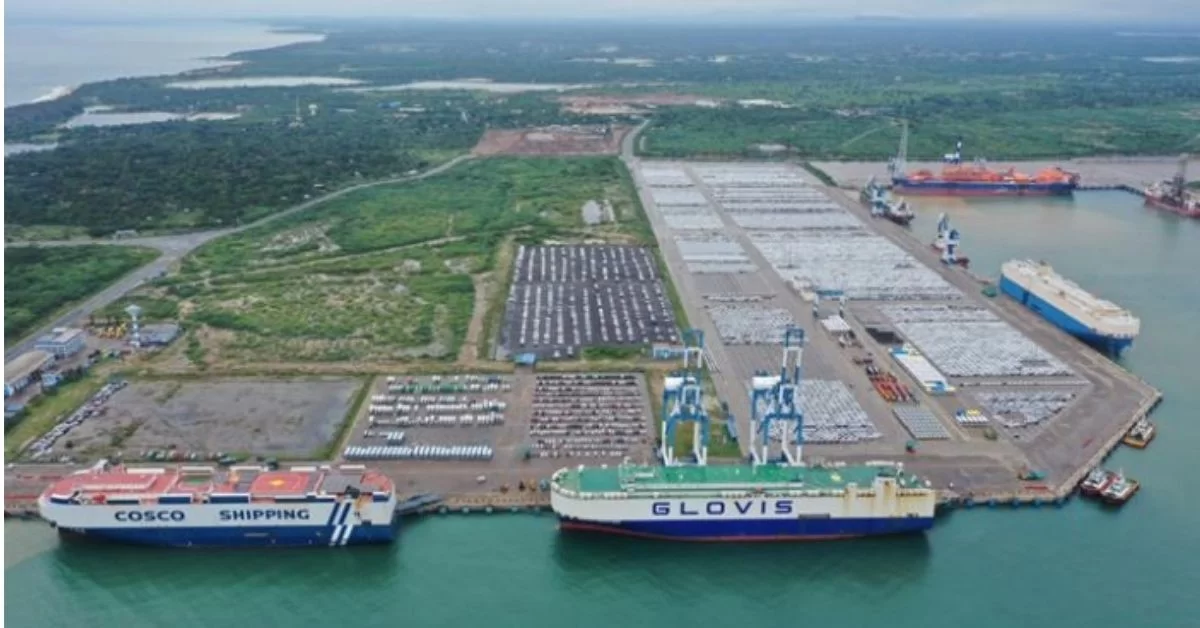
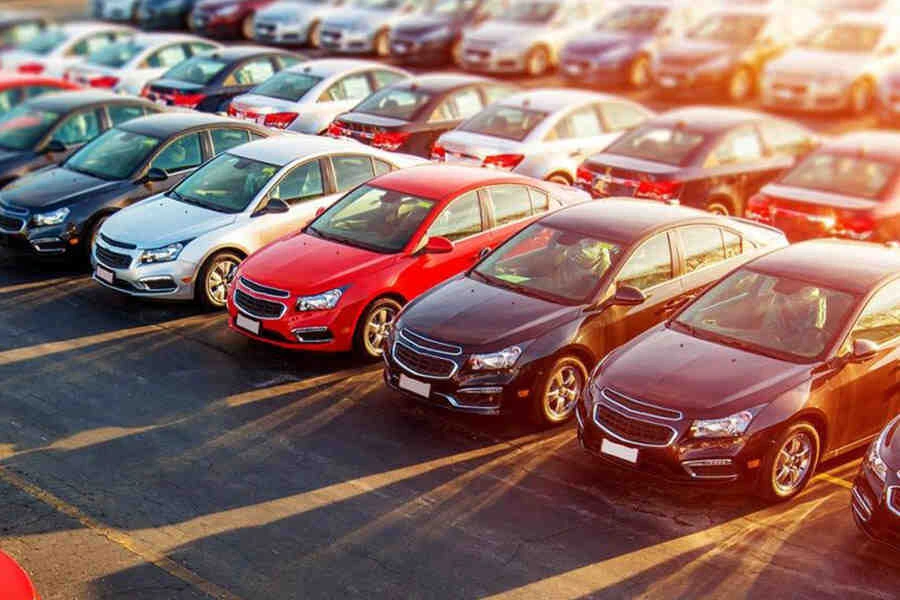
The reopening brought euphoria. From February 2025, letters of credit flooded banks, with imports reaching $1.7 billion in value over 11 months. Ports buzzed with activity, and dealers reopened yards, rehiring workers and expanding. Early months saw queues at showrooms, with popular models selling out quickly despite taxes pushing prices high. A Kandy-based dealer described the rush as “unbelievable,” clearing months of inventory in weeks and boosting related jobs in financing, insurance, and servicing.
Buyers’ experiences varied. Middle-class families, long delayed by the crisis, rushed to upgrade. A teacher in Galle shared how his family finally replaced a decade-old motorcycle with a hybrid SUV, citing improved safety for children. Migrants returning with savings fueled demand, importing personally or through agents. However, not all stories were triumphant. High taxes totalling 200-400% kept many dreaming, while port delays and a backlog of over 250,000 number plates by early 2026 frustrated new owners waiting months for registration.
The economy felt ripple effects. Tax revenue far exceeded forecasts, providing a vital boost amid recovery efforts. Funds supported infrastructure and debt management, with vehicles contributing nearly a third of certain revenue targets. Employment in the sector rebounded, indirectly benefiting thousands.
Yet concerns emerged. Forex outflows strained reserves, prompting debates on sustainability. As demand cooled later in 2025 registrations dipping in November before a year-end spike dealers faced overstock. Prices for some models dropped by Rs. 1-1.5 million, reflecting global trends and competition from Chinese EVs.
Used vehicle owners told tales of mixed fortunes. During the ban, values skyrocketed, allowing some to sell profitably. Post-reopening, fresh imports stabilized or lowered prices, eroding gains but increasing affordability. A Colombo businessman who held onto his luxury sedan saw its worth halve but welcomed broader market options.
Environmental and social narratives intertwined. Renewed fleet reduced average vehicle age, potentially lowering emissions, though congestion worsened in cities. Public transport advocates lamented missed opportunities for investment.
Individual anecdotes captured resilience. A young entrepreneur in Negombo started a small import agency post-ban, thriving on Japanese used cars. Conversely, some dealers struggled with shifting preferences toward electrics, requiring retraining.
By late 2025, the market matured into cautious optimism. Surge gave way to steady flow, with over 360,000 total registrations estimated for the year including December’s high.
These stories illustrate the ban’s profound toll and the reopening’s transformative energy. Dealers rebuilt, buyers realized aspirations, and the economy gained revenue at costs in forex and equality. As 2026 unfolds, lessons from this period shape calls for balanced policies prioritizing local needs alongside consumer choice.
Also in Explained | Lifting the Vehicle Import Ban in Sri Lanka: Reasons, Timeline, and Public Response