The global hand-woven products market is on a steady growth path, valued at USD 8.87 billion in 2025 and projected to reach USD 19.69 billion by 2035, reflecting a compound annual growth rate (CAGR) of 8.2%. This expansion is driven by rising consumer demand for authentic, sustainable, and ethically produced textiles, particularly in premium and niche segments that prioritize craftsmanship and cultural heritage.
Sri Lanka’s hand-woven textile industry, with its deep-rooted traditions and skilled artisan base, is well-positioned to capitalize on these trends. As international buyers increasingly seek differentiated products, the sector offers opportunities for value addition, export growth, and inclusive development across rural communities.
Also in Explained | Sri Lanka’s Coconut Sector Achieves Historic $1 Billion Export Milestone in 2025
Global Market Trends Fuelling Demand
The surge in handloom textiles reflects broader consumer shifts toward sustainability and individuality in fashion and home décor. Buyers in key markets favor products that stand apart from mass-produced items, valuing the unique imperfections and stories inherent in handcrafted goods.
Ethical and fair-trade considerations play a central role, with traceable supply chains and artisan welfare becoming decisive factors. Hand-woven fabrics, often made with natural fibers and dyes, align closely with eco-conscious preferences. Premium collections frequently incorporate artisanal elements to convey exclusivity, achieving higher pricing in categories like resort wear and luxury interiors.
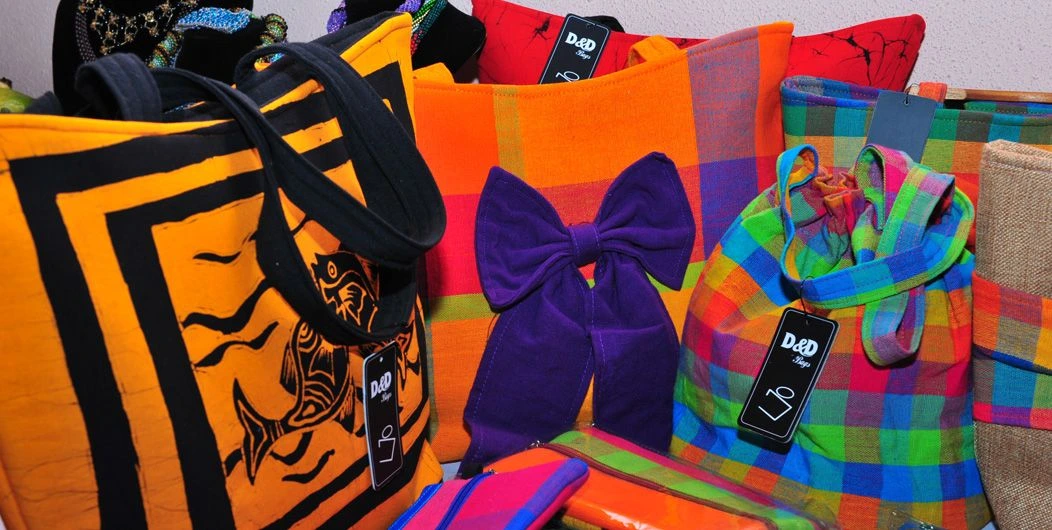
Home textiles represent another strong area, with handcrafted items such as cushions, rugs, and linens gaining traction in design-focused markets. The versatility of handloom allows seamless blending with contemporary styles, broadening appeal beyond traditional applications.
Sub-segments emphasizing organic and sustainable practices show even stronger momentum, contributing to the overall market’s robust trajectory through e-commerce and direct-to-consumer channels.
Sri Lanka’s Unique Strengths in Hand-Woven Textiles
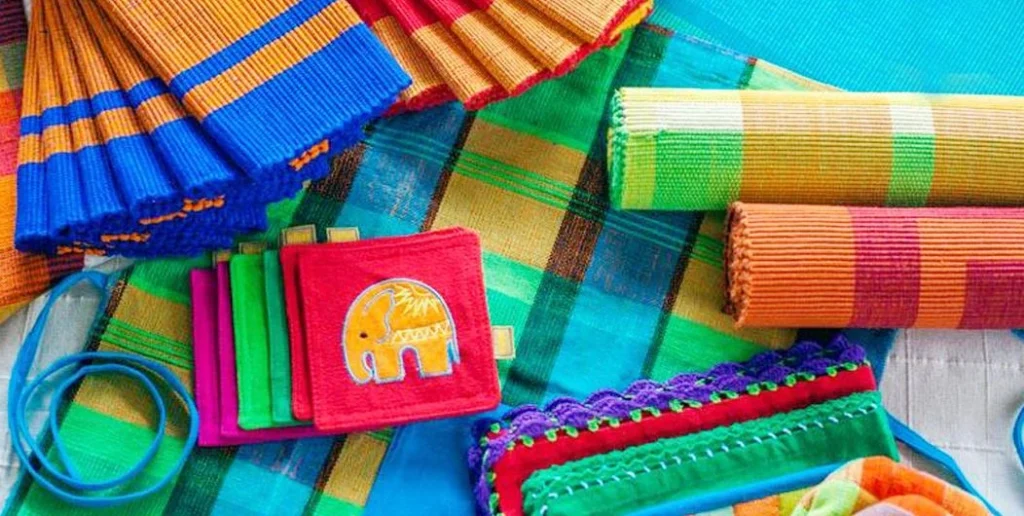
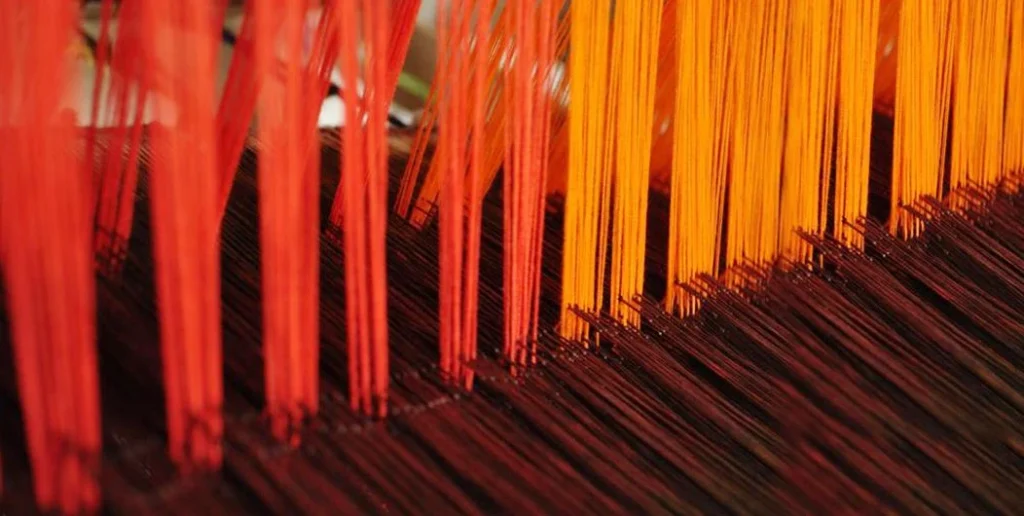
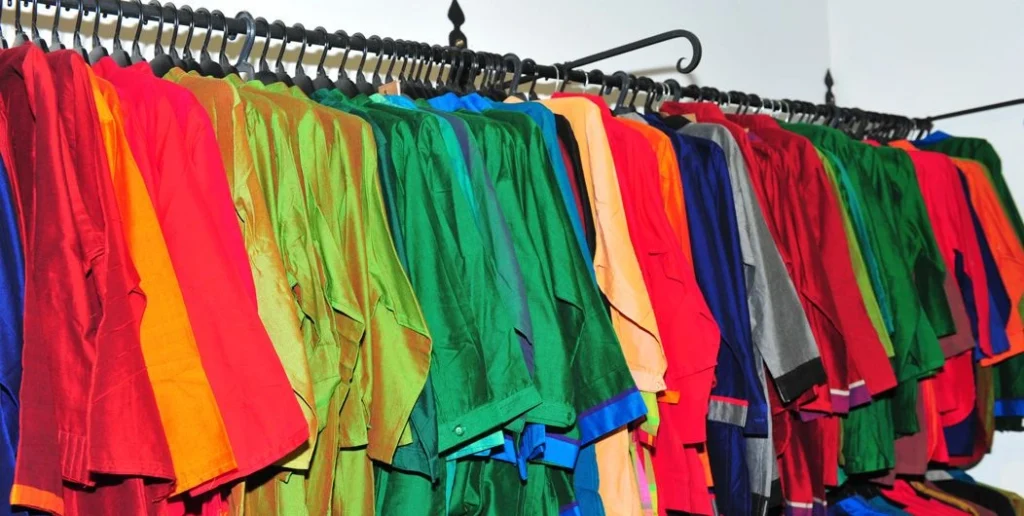
Sri Lanka boasts a rich legacy of handloom craftsmanship, producing distinctive items like Dumbara mats, Beeralu lace, and elaborate saris that carry regional cultural signatures. These products offer inherent storytelling value, resonating with global consumers seeking meaningful connections.
The sector operates primarily on a cottage basis, engaging over 15,000 weavers, many in rural settings. This structure provides flexible supplementary income, particularly empowering women and supporting community economies.
Access to natural materials enables environmentally sound production, using plant-based dyes and traditional techniques that meet modern sustainability criteria. Established design expertise supports ongoing innovation, adapting classic patterns for current tastes while maintaining authenticity.
Geographical Indication (GI) certification presents a strategic tool to safeguard and promote regional specialties, potentially elevating brand recognition and securing price advantages in competitive markets.
Business Opportunities and Value Chain Development
Entrepreneurs can play a pivotal role by establishing integrated design-to-market systems, overcoming current fragmentation. Developing centralized coordination for raw materials, quality assurance, and branding ensures reliability for larger orders and export commitments.
Partnerships with designers and lifestyle brands unlock potential in co-developed lines, targeting areas like resort wear and premium home furnishings. Ties to tourism, through exclusive souvenirs or hotel amenities, capitalize on visitor appreciation for local artistry.
Blending hand-woven components into mainstream apparel offers another avenue, adding distinctive touches to ready-to-wear collections for enhanced value. This approach leverages existing export infrastructure while accessing higher-margin opportunities.
Emphasis on natural dyes and responsible methods targets growing niches focused on environmental stewardship. Achieving relevant certifications opens doors to buyers prioritizing ethics, expanding presence in Europe, North America, and emerging Asian markets.
Digital sales channels facilitate direct outreach, minimizing intermediaries and improving returns for artisans. Online storytelling and targeted marketing build customer loyalty around the human element of each piece.
Investors find prospects in supporting facilities, training initiatives, and supply logistics to enable scaling. These efforts generate employment while fostering sustainable business models.
Challenges Facing the Sector
The industry grapples with operational constraints that limit broader impact. Decentralized production hampers consistency and scale, while artisan earnings often remain insufficient for long-term viability.
Limited exposure to advanced design resources, market data, and funding restricts product evolution. Competition from automated manufacturing and synthetic alternatives poses ongoing pressure.
Inconsistent supply and underdeveloped branding curb international competitiveness. Overcoming these demands investments in capacity building, technology integration, and promotional strategies.
Future Outlook: Establishing a Premium Niche
With focused advancements, Sri Lanka’s hand-woven textiles could secure a prominent place in global sustainable segments. Prioritizing GI frameworks, creative collaborations, and online visibility will drive momentum.
Entrepreneur-driven chains can evolve the sector from dispersed operations to cohesive clusters, raising incomes and output. Innovations in eco-practices will attract discerning buyers seeking responsible sourcing.
Long-term aspirations include significantly boosting export contributions through deliberate positioning. This progression aligns with goals for rural vitality, heritage conservation, and economic variety.
Why the Hand-Woven Textile Sector Matters for Sri Lanka
Rising worldwide interest in artisanal textiles provides an ideal stage for Sri Lanka to highlight its weaving expertise. Nurturing entrepreneurial value addition can yield widespread benefits while preserving traditions.
Enterprises venturing here benefit from a market that rewards excellence and responsibility. As preferences continue evolving, hand-woven goods embody a fusion of legacy and modernity, primed for lasting relevance and success.
Also in Explained | Sri Lanka’s Digital Surge: Data Usage Hits 17.7 GB Per Person in Q3 2025