Sri Lanka’s Fast-Moving Consumer Goods (FMCG) sector is displaying encouraging signs of growth during the 2025/26 financial year, bolstered by economic stabilization, moderated inflation, and rapid digital transformation. Leading retailers have reported robust third-quarter results, indicating sustained consumer demand recovery. With low inflation supporting real incomes and digital innovations reaching even small retail outlets, the market is transitioning toward volume-based expansion, opening avenues for manufacturers, distributors, and investors in daily essentials.
Developments from December 2025 through early February 2026 point to key catalysts: rising online shopping penetration and the widespread integration of card and digital payment options in neighborhood stores. These shifts are improving convenience, efficiency, and inclusivity across the FMCG ecosystem.
Also in Explained | Sri Lanka Initiates Stakeholder Consultations on Tariff Reforms: A Step Toward Export-Led Growth and Industrial Competitiveness
Macroeconomic Stability Fueling Consumer Confidence
Sri Lanka’s improving economic indicators have created a favorable backdrop for FMCG demand. The Colombo Consumer Price Index (CCPI) increased to 197.0 in January 2026 from 195.8 in December 2025, reflecting year-on-year inflation of 2.3%. This controlled inflationary environment down from previous highs has enhanced purchasing power, prompting greater spending on essential and semi-essential FMCG categories.
Food price contributions to monthly changes remain notable, yet overall stability has encouraged a shift from price-driven to volume-driven strategies among sector players. Late 2025 assessments highlighted how moderated nominal growth prompted focus on unit sales, with consumers responding well to accessible everyday products.
Strong quarterly performances from major retail chains underscore this resilience, driven by operational efficiencies and rebounding footfall. This trend signals broader sector vitality, as stable conditions support inventory management and promotional activities in areas like groceries, personal care, and household items.
Rising Adoption of Online Shopping Platforms
E-commerce is proving a vital channel for FMCG growth. A January 2026 projection estimates Sri Lanka’s business-to-consumer e-commerce sector reaching $3.2 billion by 2029, propelled by higher internet access, affordable connectivity, and enhanced delivery networks.
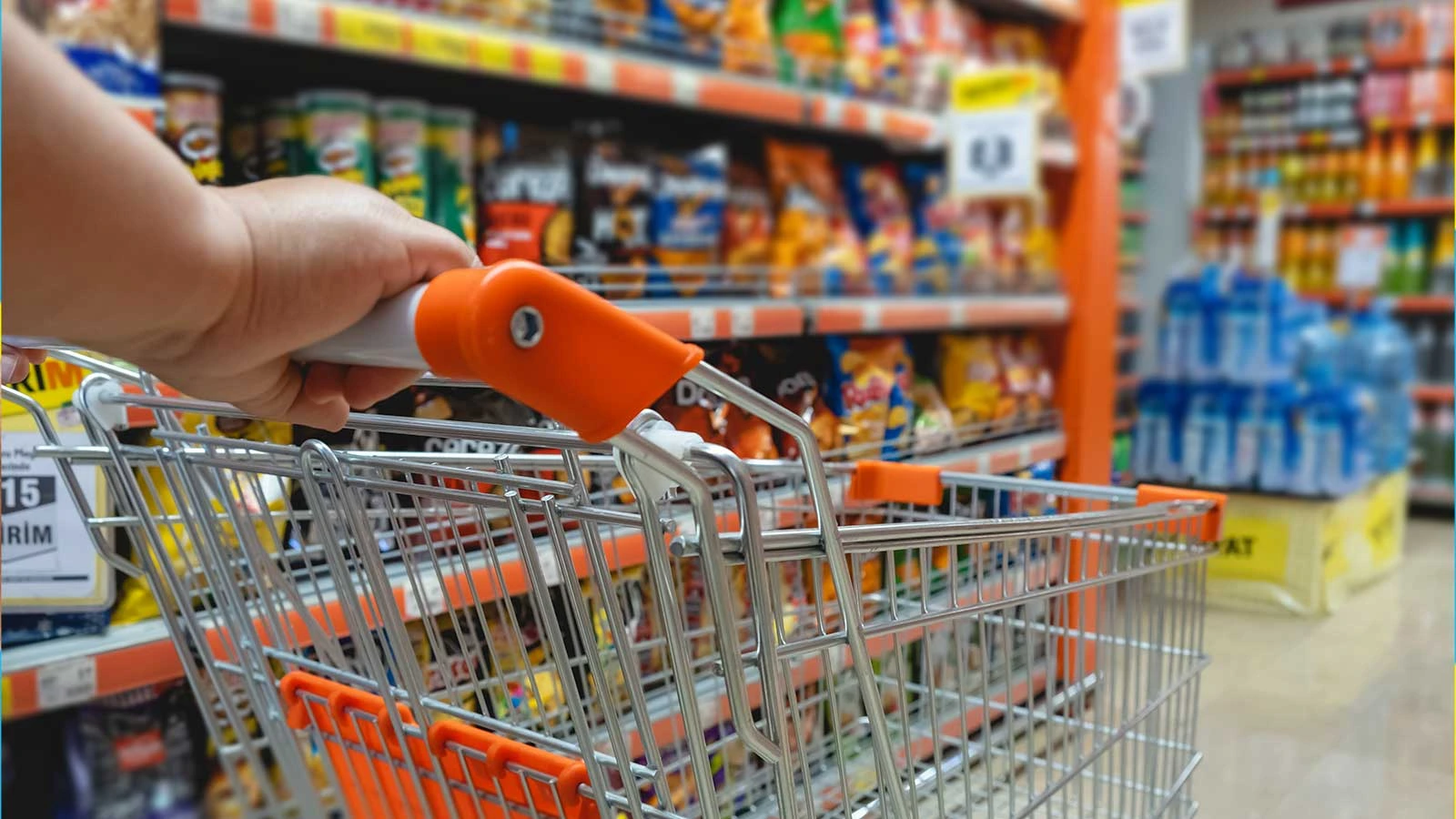
Consumers are increasingly opting for online channels for convenience, especially in urban and peri-urban regions. Delivery of groceries and essentials has gained momentum, with platforms broadening coverage through collaborations and quicker logistics.
This digital evolution complements physical retail, enabling brands to engage younger demographics via targeted offers and customized experiences. As online channels mature through 2026, they are set to account for a larger portion of FMCG transactions, contributing to overall market vitality.
Expansion of Digital and Card Payments in Small Stores
A standout trend is the extension of digital payment infrastructure to smaller retail outlets, a cornerstone of FMCG distribution in Sri Lanka.
Recent initiatives from late 2025 onward have accelerated this. The introduction of contactless payment services in November 2025 has streamlined transactions, benefiting larger outlets and gradually extending to smaller merchants through accessible technology.
Innovative point-of-sale solutions pioneered as a regional first have simplified card acceptance for small retailers, promoting flexibility and reducing reliance on cash.
Furthermore, government-supported digital payment systems achieved over Rs. 2 billion in transactions by the end of 2025, reflecting wider adoption that enhances retail operations.
These developments overcome earlier limitations in neighborhood shops, where cash transactions predominated due to technical constraints. Affordable devices and mobile-enabled options now allow seamless card and QR code payments, encouraging spontaneous purchases and building customer loyalty in categories such as snacks, beverages, and personal hygiene products.
For shoppers, this brings added convenience and safety; for retailers, it means lower cash management costs and quicker reconciliations; and for manufacturers, it provides valuable insights into consumption trends.
Opportunities for Sector Stakeholders
The interplay of economic steadiness, e-commerce growth, and payment digitization is revitalizing the FMCG landscape. Companies embracing multichannel approaches including digital engagement and online fulfilment are ideally placed to expand reach.
Small and medium enterprises in processing and manufacturing can capitalize on broader distribution, while established players gain from optimized supply chains and data-driven decisions.
Investors in the sector recognize potential in retail networks enhancing digital integration and suppliers aligning with preferences for convenient, sustainable options discussed in recent industry reviews.
As Sri Lanka progresses its digital economy agenda with ongoing infrastructure and fintech advancements the FMCG market appears primed for consistent, broad-based expansion into 2026.
Outlook: Positive Momentum Ahead
The Sri Lankan FMCG sector in 2025/26 is marked by measured optimism, with digital advancements playing a central role in enhancing reach and efficiency. From online platforms transforming everyday shopping to payment innovations permeating small stores, these changes are modernizing consumer behavior and bolstering sector strength.
With continued economic stability, low inflation, and growing confidence, volume growth is expected to lead the way. Businesses adapting to digital trends will drive progress, supporting national recovery and consumer well-being.
Stakeholders in FMCG, producers, retailers, and investors can find valuable signals in these evolving patterns, pointing to a market ready for further advancement.
(Disclaimer: This article is for informational purposes only and draws on publicly reported developments. Market conditions are subject to change; consult official sources for the latest data.)
Also in Explained | Sri Lanka Set to Introduce Three Key Laws in Early 2026 to Attract Private Capital and Drive Sustainable Growth