
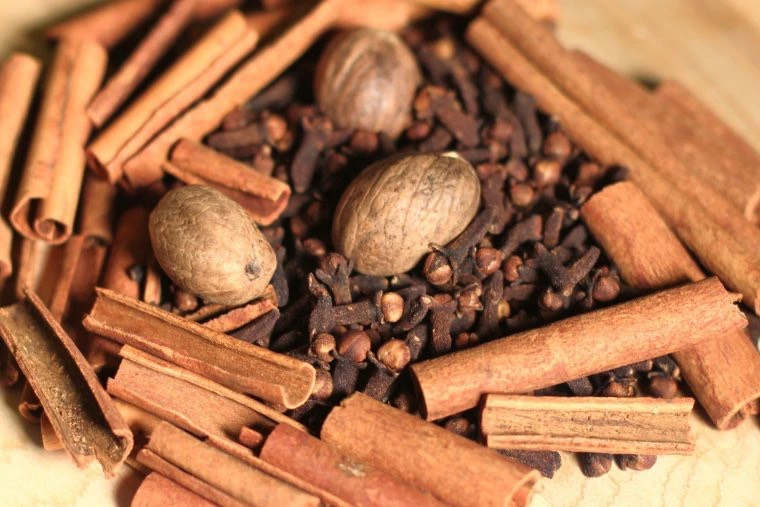
Sri Lanka’s spices and essential oils sector reached US$ 405.7 million in export earnings for the first eleven months of 2025, reflecting a 2.16% year-on-year decrease from US$ 414.67million in 2024. This performance, driven by growth in cinnamon and cloves. Meanwhile, exports of Spices and Essential Oils decreased by 9.21 % to US$ 37.47million in November 2025, largely driven by a sharp decline in pepper exports to India, which decreased by 50.57 %.
As global demand for natural, authentic spices rises in health, culinary, and industrial applications, Sri Lanka’s Ceylon cinnamon, commanding nearly 90% of the true Ceylon variety market presents a prime avenue for expansion. Leveraging quality, sustainability, and innovation could position the sector for significant growth in 2026 and beyond.
Also in Explained | Sri Lanka’s Gem and Jewellery Sector Targets $1 Billion Export Goal
Export Performance and Key Metrics in 2025
The sector maintained positive momentum in 2025, with mixed monthly trends averaging out to steady gains. For January to October, earnings totaled US$ 368.24 million, a 1.38% decline from US$ 373.4 million in 2024, influenced by a sharp drop in pepper (-38.33%). However, the first nine months saw US$ 329.84 million (+2.41% YoY), buoyed by cinnamon (+21.83%) and cloves (+172.82%).
The first eight months recorded US$ 286.7 million (+4.6% YoY), with cinnamon up 23.12% and cloves surging 187.8%. The first quarter was particularly strong at US$ 119.04 million (+71.43% YoY), led by cinnamon (+22.43%), cloves (+461.36%), and pepper (+235.01%).
November added US$ 37.47 million (-9.21% YoY), primarily due to pepper declines (-50.57% to India). Cinnamon volumes for 2025 reached approximately 19,600 metric tons, securing Sri Lanka’s fourth global ranking among cinnamon exporters with a 26.5% share of the overall market valued at US$ 218 million.
This data aligns with the global cinnamon market’s size of US$ 1.4 billion in 2024, projected to reach US$ 1.8 billion by 2033 at a 3.08% CAGR.
The Distinctive Strengths of Ceylon Spices
Sri Lanka’s spices benefit from unique environmental factors that yield superior aroma, flavor, and potency. True Ceylon cinnamon, unlike cassia, offers a refined, sweet taste ideal for premium uses in baking, beverages, and wellness products.
The portfolio includes high-quality pepper, cloves, nutmeg, and cardamom, each with protected geographical indications to ensure authenticity. Essential oils and oleoresins extend applications in fragrances, pharmaceuticals, and food industries.
Sustainable cultivation, including organic methods, meets rising eco-standards. The sector’s legacy adds cultural depth, appealing to consumers seeking traceable, story-rich ingredients.
Business Opportunities in Value Addition and Markets
The sector’s potential lies in shifting from raw exports to processed, high-margin products. Essential oils, spice blends, and nutraceuticals can capture value in health and food sectors.
Branding Ceylon cinnamon as a superfood ingredient unlocks partnerships with global manufacturers for teas, supplements, and gourmet items. Expansion into functional foods, like cinnamon-based wellness snacks, taps into growing demand.
Export-focused processing units for oleoresins and extracts serve industrial buyers in cosmetics and pharmaceuticals. E-commerce and B2B platforms enable direct global access, reducing dependency on intermediaries.
Niche opportunities include artisanal spice kits or certified organic lines for premium retail. Investments in packaging, certification, and digital marketing enhance competitiveness.
SMEs can innovate in sustainable sourcing, creating jobs in rural areas. Overall, entrepreneur-driven chains could double contributions through diversified, branded offerings.
Challenges in the Spices Industry
Production variability from weather and pests affects consistency, as seen in pepper declines. Global price fluctuations and competition from cassia producers challenge margins.
Fragmented supply chains and limited value addition lead to lower earnings from raw forms. Pepper’s 2025 downturn (-38.33% in Jan-Oct) highlights vulnerability to market shifts.
Overcoming these demands resilient varieties, advanced processing, and diversified markets. Support for certification and promotion is key to sustaining growth.
Future Outlook: Targeting $500 Million and Beyond
Building on 2025’s foundation, the sector aims for US$ 500 million in annual exports by expanding cinnamon’s dominance and reviving other spices. GI protections and sustainability will bolster branding.
Diversification into Asia and emerging markets, alongside innovative products like spice-derived health aids, aligns with global projections. Collaborative research and export facilitation will enhance resilience.
This path supports agricultural goals, boosting reserves and community incomes.
Why Ceylon Spices Matter for Sri Lanka’s Economy
Ceylon spices, anchored by cinnamon, represent a high-value export with cultural and economic significance. The sector sustains rural livelihoods while generating essential foreign exchange.
Businesses here tap into markets valuing quality and ethics. As natural spice demand grows, the industry offers avenues for innovation and sustainable success, flavoring Sri Lanka’s trade future.
Also in Explained | Unlocking the Potential of Sri Lanka’s Hand-Woven Textile Sector