Sri Lanka has long been celebrated for its natural beauty, cultural heritage, and warm hospitality, attracting millions of tourists annually. In recent years, event-based tourism has emerged as a powerful driver for the sector, bringing sudden surges in visitor numbers, foreign exchange earnings, and local business opportunities. The ICC Men’s T20 World Cup 2026 match between India and Pakistan, held on February 15 at the R. Premadasa Stadium in Colombo, exemplified this potential perfectly. This high-profile encounter not only drew global attention but also showcased Sri Lanka’s capability to host major international events seamlessly, boosting the economy and enhancing the country’s image as a premier destination.
With thousands of passionate fans descending on Colombo, the event highlighted how sports spectacles can transform tourism dynamics. Fans from India and Pakistan praised the city’s cleanliness, efficient arrangements, and overall hospitality, while the influx of high-spending visitors generated significant revenue. This success story underscores the immense opportunities in event-based tourism, proving that Sri Lanka is well-positioned to organize more large-scale gatherings to attract tourists year-round.
Also in Explained | Sri Lanka’s Digital Nomad Visa – Unlocking Opportunities for Remote Professionals
The India-Pakistan T20 World Cup Match: A Catalyst for Tourism Surge
The Group A clash in the ICC Men’s T20 World Cup 2026 saw India defeat Pakistan by 61 runs in front of a packed stadium. The match, played at Colombo’s iconic R. Premadasa venue, became more than a sporting event, it turned into a major tourism booster. Thousands of cricket enthusiasts traveled from India and Pakistan, filling hotels, restaurants, and streets with vibrant energy.
A notable highlight was the arrival of over 15 private jets, primarily carrying affluent fans from India, at the Bandaranaoike International Airport. This influx of luxury travelers underscored the event’s appeal to high-net-worth individuals. Regular flights also saw a massive demand, with airfares from major Indian cities like Mumbai surging temporarily due to the excitement. Many fans extended their stays to explore Sri Lanka’s attractions, combining cricket with leisure.
The atmosphere in Colombo was electric, with streets adorned in team colors and local vendors thriving on sales of jerseys, flags, and memorabilia. Hotels in the city reported near-full occupancy, with rates doubling in some cases to capitalize on the demand. This short but intense period demonstrated how a single event can create a ripple effect across the tourism ecosystem, from accommodation and transport to dining and retail.
Praise for Colombo’s Beauty, Cleanliness, and Security Arrangements
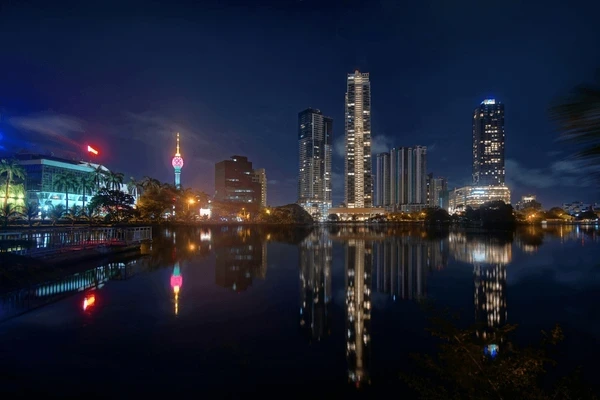
One of the standout outcomes was the widespread appreciation from visiting fans for Colombo’s presentation. Indian and Pakistani supporters frequently commented on the city’s cleanliness, noting well-maintained streets, tidy public spaces, and an overall appealing skyline. Social media and interviews captured sentiments like admiration for the organized environment, with many describing the arrangements as “world-class.”
Security emerged as another highly praised aspect. The match proceeded calmly without any reported incidents, earning commendations for the efficient handling by Sri Lanka’s security forces. Fans from both nations highlighted the peaceful conduct, contrasting it positively with potential challenges in other venues. This sense of safety allowed supporters to enjoy the game and the city freely, contributing to memorable experiences.
The hospitality extended by locals further enhanced perceptions. Fans appreciated the welcoming nature of Sri Lankans, easy interactions, and the convenience of navigating the city. For many Indian and Pakistani visitors, traveling to Sri Lanka proved straightforward, with electronic travel authorizations and proximity making it an accessible neutral venue. Despite temporary price hikes in travel and accommodation, the overall affordability of experiences in Sri Lanka compared to many international destinations, left fans satisfied and eager to return.
Economic Windfall and Revenue Generation
The economic impact of the India-Pakistan encounter was substantial, providing a clear illustration of event-based tourism’s value. Estimates suggest a direct economic boost in the encompassing ticket sales, hospitality spending, and ancillary services. The sold-out stadium generated big profit from gate receipts alone, while hotels, transport operators, and street vendors reaped significant gains.
Tourism authorities and businesses reported a windfall, with the event injecting vitality into Colombo’s economy during the peak winter season. Private jet arrivals and extended stays by fans amplified spending on luxury experiences, tours, and shopping. Local enterprises, from taxi services to souvenir sellers, benefited immensely, creating jobs and income for communities.
This revenue stream is particularly vital for Sri Lanka, where tourism contributes substantially to GDP and foreign exchange reserves. The match not only filled immediate gaps but also promoted the country globally, with media coverage reaching billions. Positive fan feedback has the potential to drive repeat visits and word-of-mouth promotion, sustaining long-term benefits.
Future Prospects – Organizing More Big Events for Sustained Growth
The success of hosting this marquee fixture proves that nothing is impossible for Sri Lanka in the realm of major events. With proven infrastructure, including world-class stadiums, airports capable of handling private jets, and a track record of secure, well-organized gatherings, the country is ideally suited to bid for more international spectacles.
Potential opportunities abound in sports, music concerts, cultural festivals, and conferences. Hosting events like ICC tournaments, Asian games segments, or global entertainment shows could attract diverse audiences, diversifying tourism beyond traditional beach and heritage segments. Collaborations with international bodies, enhanced marketing, and investments in facilities will be key to securing such bids.
Event-based tourism offers seasonal balancing, reducing reliance on peak periods and providing year-round opportunities. By focusing on sustainability, inclusivity, and fan-friendly policies, Sri Lanka can build a reputation as a go-to hub for high-profile gatherings. Initiatives like improved connectivity, visa ease, and city beautification already evident in Colombo, will further strengthen this position.
The India-Pakistan T20 clash has set a benchmark, inspiring confidence in Sri Lanka’s potential. With strategic planning and stakeholder coordination, more such events can drive economic growth, create employment, and position the island nation as a dynamic player in global event tourism.
Also in Explained | Sri Lanka’s Tourism Sector – Record Arrivals Mask Earnings Shortfall in January 2026