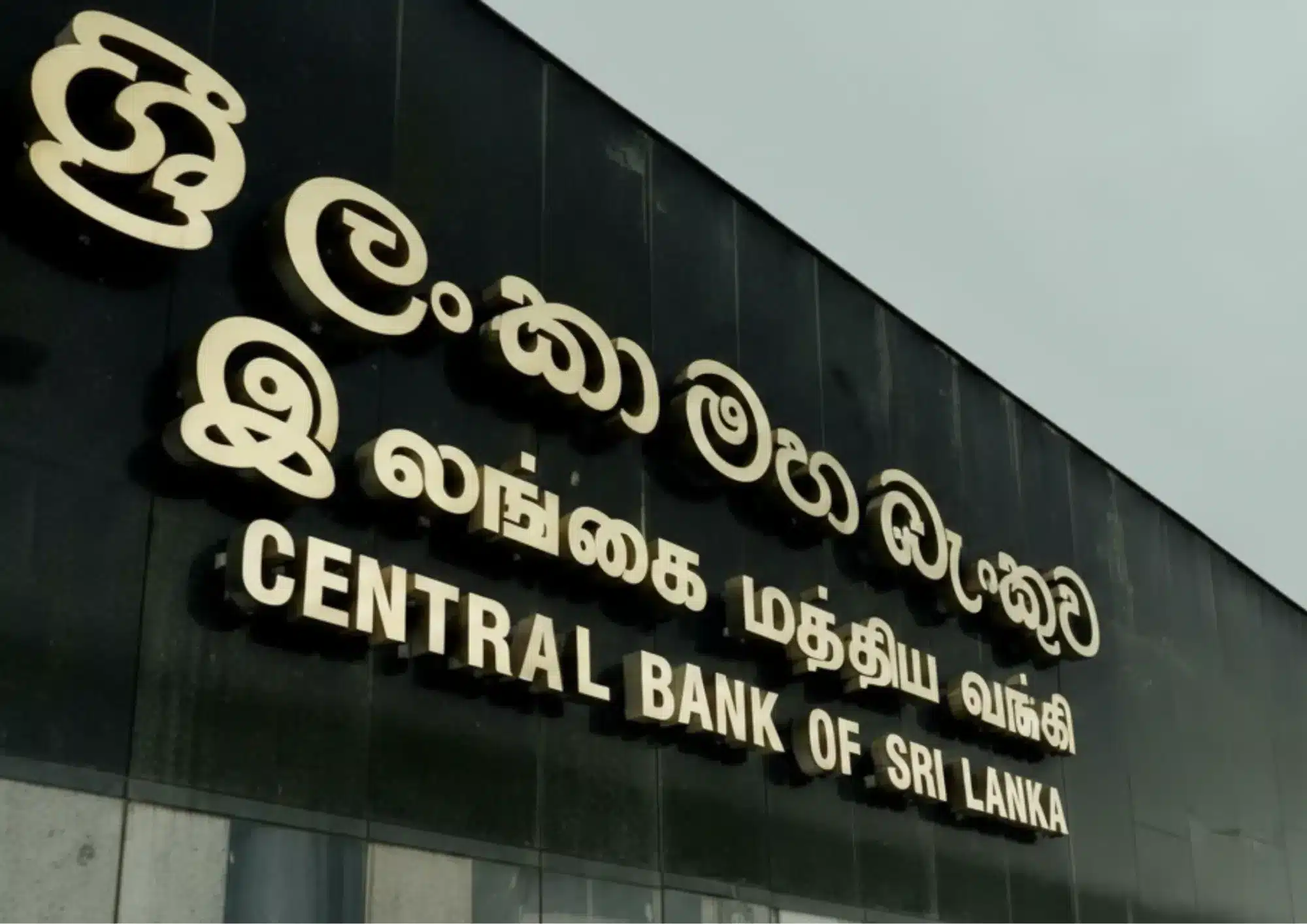
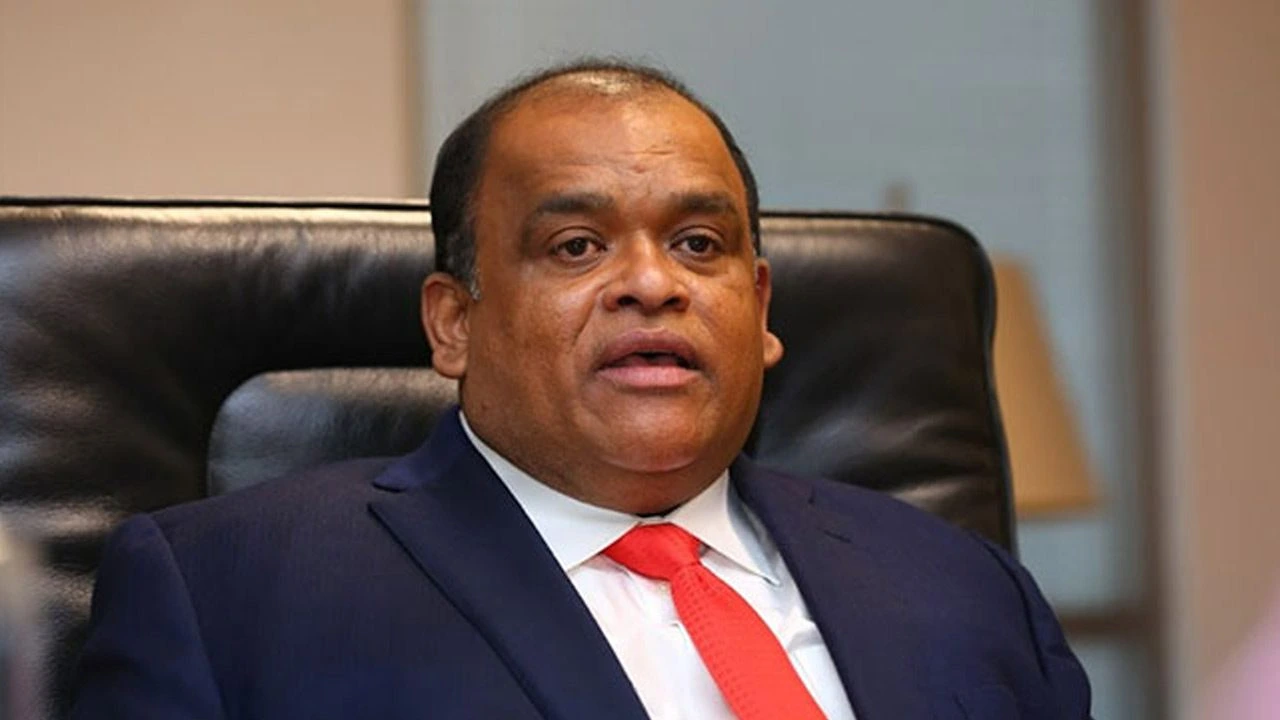
In October 2025, Dhammika Perera exited two of Sri Lanka’s most prominent banks Seylan Bank and Commercial Bankwithin days of each other. The timing, scale, and precision of these moves have sparked widespread speculation: is Perera stepping away from banking altogether, or is this part of a larger portfolio strategy?
For years, Perera has been a dominant figure in Sri Lanka’s financial sector, holding stakes in multiple banks and influencing boardroom decisions. His recent exits, however, mark a clear departure from two institutions where he previously held minority positions. The question now is not just what he sold but what he’s buying, and why.
Understanding Dhammika Perera’s Banking Exit: What Changed?
Perera’s exit from Commercial Bank involved the sale of 26.55 million voting shares, representing a 1.7% stake, in a deal worth Rs. 5.5 billion. This followed a gradual reduction from an original 3.6% holding. Days later, he sold his 5% stake in Seylan Bank, marking a complete withdrawal from both institutions.
These were not insignificant holdings. Commercial Bank is widely regarded as one of Sri Lanka’s most stable financial institutions, while Seylan Bank has played a key role in retail and SME banking. Perera’s decision to divest from both, especially within such a short window, suggests a deliberate strategic move.
But it’s important to note: these were trading portfolio positions, not core strategic holdings. His deeper banking interests remain intact through Sampath Bank PLC (15%) and Pan Asia Bank PLC (29.9%), both held via Vallibel One PLC. This distinction is crucial. It indicates that Perera is not abandoning banking but rather refining his exposure to institutions where he holds greater influence.
Strategic Control vs. Passive Exposure
Perera’s investment philosophy has always favored control over passive exposure. In Commercial and Seylan, his influence was limited. In contrast, Sampath and Pan Asia offer board-level access and strategic alignment with his broader business interests.
This shift from minority stakes to majority influence reflects a deeper recalibration. It’s not about leaving banking it’s about consolidating power where it matters. By exiting institutions where he cannot shape direction, Perera is streamlining his portfolio to focus on assets that offer operational synergy and long-term value.
Where the Capital Is Going: FMCG and Retail Moves
The Rs. 7 billion unlocked from these banking exits hasn’t remained idle. Through Hayleys PLC, Perera has made two notable acquisitions this month:
- Harischandra Mills: A 40.58% stake acquired for Rs. 2.57 billion. Harischandra is a legacy FMCG brand with deep consumer trust, offering products like coffee, flour, and noodles.
- Laugfs Holdings: Hayleys also acquired shares from Laugfs, expanding its footprint in energy, logistics, and consumer goods. While details remain limited, the acquisition strengthens Hayleys’ supply chain and retail capabilities.
These moves suggest a pivot toward consumer-facing sectors, particularly FMCG and retail. Hayleys’ recent announcement to launch 100 supermarket outlets nationwide further supports this direction. With Harischandra’s products ready for shelf placement and Laugfs’ infrastructure supporting distribution, Perera appears to be building a vertically integrated retail ecosystem.
Is This a Shift Toward FMCG?
The timing of these acquisitions immediately following the banking exits raises a compelling question: is Perera shifting his focus from finance to FMCG?
There’s evidence to support this theory. FMCG offers faster growth cycles, direct consumer engagement, and brand-building opportunities. With Hayleys controlling production, packaging, and now retail, Perera can influence every stage of the value chain. This level of control is difficult to achieve in banking, where regulatory frameworks and governance structures limit agility.
Moreover, Sri Lanka’s FMCG sector is ripe for consolidation. Consumer demand is rising, especially in urban and semi-urban areas. By acquiring trusted brands and expanding retail access, Perera is positioning Hayleys to compete directly with established players while also creating new market opportunities.
Or Is It Portfolio Diversification?
While the FMCG pivot is clear, it’s equally possible that Perera is pursuing portfolio diversification. His holdings now span banking, manufacturing, logistics, energy, and retail. This breadth offers insulation against sector-specific volatility and aligns with global investment trends favoring multi-sector resilience.
The continued stakes in Sampath and Pan Asia suggest that banking remains part of his long-term strategy. These institutions offer digital banking capabilities, SME lending platforms, and regional growth potential. By retaining influence in these banks, Perera ensures access to financial infrastructure that can support his other ventures.
In this light, the exits from Commercial and Seylan may be less about leaving banking and more about rebalancing. He’s shedding passive positions to free up capital for sectors where he can build, scale, and lead.
What This Means for Sri Lanka’s Business Landscape
Perera’s moves are more than personal they’re market signals. His exit from two major banks may prompt other investors to reassess their financial sector exposure, especially in institutions where influence is limited. It may also encourage banks to innovate faster, streamline governance, and attract strategic capital.
At the same time, his FMCG and retail investments could reshape consumer behavior, supply chain dynamics, and competitive benchmarks. Hayleys’ supermarket rollout, backed by brands like Harischandra, introduces a new model of integrated retail one that combines legacy trust with modern scalability.
For entrepreneurs, investors, and policymakers, the message is clear: Sri Lanka’s economic future will be shaped by those who can adapt, integrate, and scale across sectors.
Conclusion: A Strategic Rebalance in Motion
Dhammika Perera’s exit from Seylan and Commercial Bank is not a retreat, it’s a strategic rebalance. By divesting from passive banking positions and investing in consumer-facing sectors, he’s aligning his portfolio with control, growth, and operational synergy.
Whether this marks a permanent pivot to FMCG or a broader diversification strategy, one thing is certain: Perera is repositioning for impact. And as always, the market will follow.
Related News: