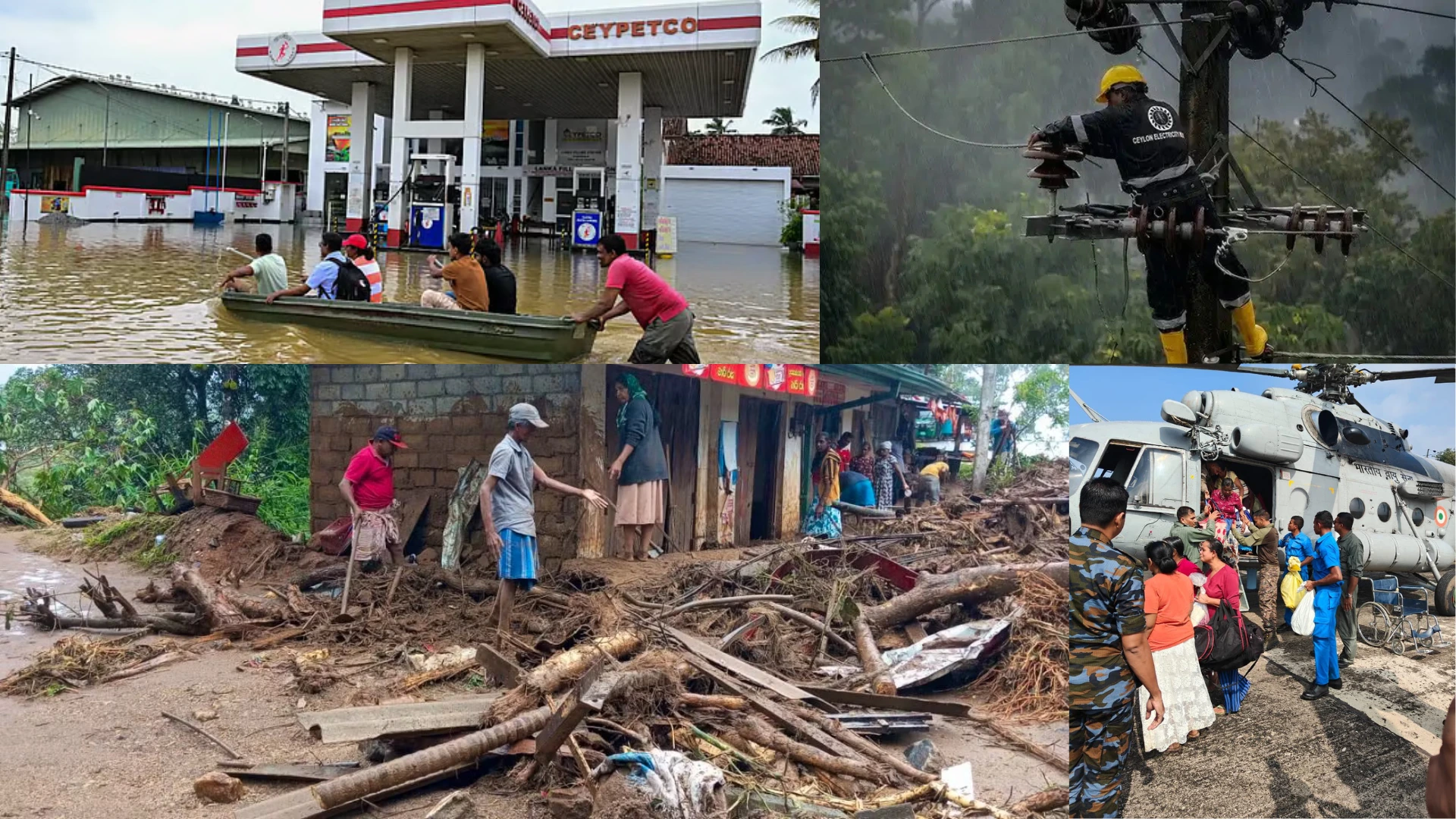
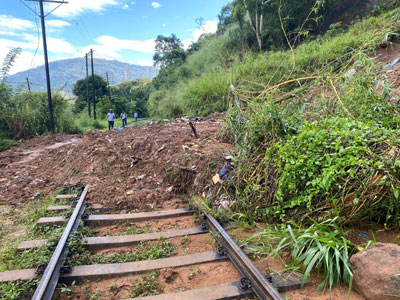
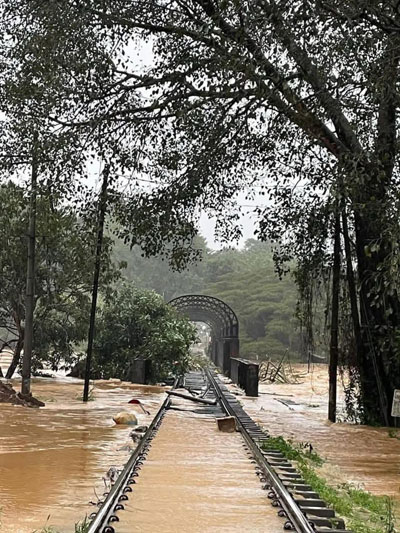
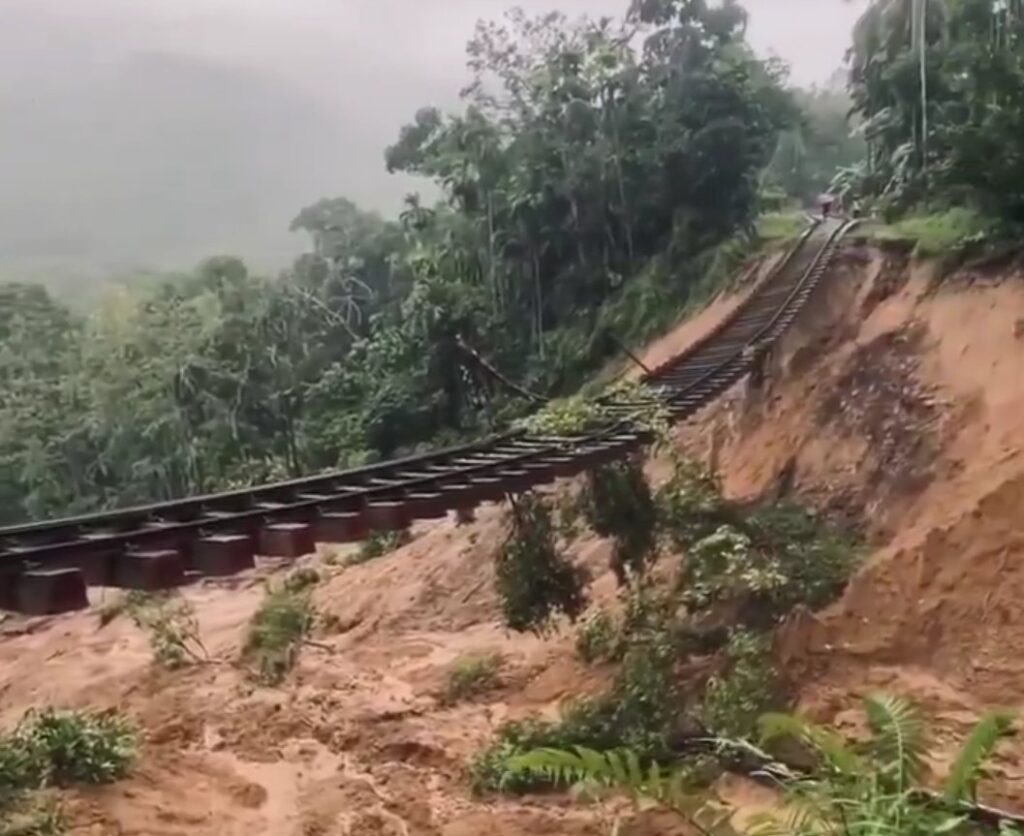
Sri Lanka has endured disasters before; from the 2004 tsunami to floods, landslides, and economic shocks. Each time, international donors, local communities, and diaspora networks rallied to help the country rise again. But Cyclone Ditwah is different. It has not only displaced families and destroyed homes; it has struck at the core of Sri Lanka’s infrastructure, damaging the century‑old British railway system, bridges, and arterial roads.
This raises a profound question: will recovery mean simply repairing what was lost, or will Sri Lanka seize this moment to reset and rebuild differently?
Also in Explained | Rebuilding After the Cyclone: What Sri Lanka’s Economy Needs Now
Historical Context: Tsunami vs. Ditwah
- 2004 Tsunami: The devastation was human‑centric, lives lost, homes destroyed, coastal livelihoods shattered. Aid focused on housing, fisheries, and community rebuilding. Infrastructure damage was significant but localized.
- Cyclone Ditwah (2025): The impact is systemic. Railways, bridges, and roads, the veins of the economy are crippled. This is not just about rebuilding homes; it is about re‑engineering the nation’s backbone.
The difference matters. After the tsunami, Sri Lanka largely rebuilt within the same frameworks. Ditwah forces a reckoning: can we afford to patch up colonial‑era systems, or must we design infrastructure for the 21st century?
The Infrastructure Reset
The cyclone’s damage to the old British railway system is symbolic. For decades, Sri Lanka has relied on colonial‑era infrastructure, patched and modernized but never fundamentally reimagined. Ditwah’s destruction exposes the fragility of this dependence.
- Railways: Tracks and bridges built for another century are now unsafe. Rebuilding offers a chance to modernize with electrification, climate‑resilient engineering, and regional connectivity.
- Roads: Washed‑out highways highlight the need for smart drainage, elevated designs, and disaster‑ready construction.
- Bridges: Many were built for lighter loads. Rebuilding can integrate modern freight capacity and climate resilience.
This is not just repair. It is a reset opportunity to align infrastructure with Sri Lanka’s aspirations for trade, tourism, and sustainable growth.
International and Local Support
Sri Lanka has always benefited from solidarity. After Ditwah, pledges from multilateral donors, regional allies, and local communities are flowing in. The difference now is expectation. Donors are increasingly linking aid to transparency, accountability, and measurable outcomes.
This creates both pressure and opportunity:
- Pressure to avoid repeating the inefficiencies of past recovery cycles.
- Opportunity to channel funds into transformational projects rather than patchwork fixes.
Confidence vs. Cynicism
Your question “should we have confidence or expect another tsunami‑like scenario?” is the heart of the debate.
- Cynical View: Sri Lanka risks repeating history, painting over cracks without addressing structural weaknesses. Aid may be consumed by short‑term fixes, leaving the nation vulnerable again.
- Confident View: Ditwah’s scale forces a reset. With infrastructure at the center of damage, rebuilding cannot be cosmetic. The country has a chance to build differently smarter, stronger, and future‑ready.
The truth likely lies in how leadership, policy, and community engagement align.
Toward a “Reset Nation”
Cyclone Ditwah offers Sri Lanka a chance to redefine itself:
- Infrastructure: Build climate‑resilient railways, bridges, and highways.
- Economy: Align reconstruction with trade corridors, tourism revival, and digital connectivity.
- Governance: Use donor funds transparently, with dashboards and measurable milestones.
- Community: Empower local participation so rebuilding reflects citizen needs, not just donor agendas.
This is the difference between painting the old building and scratching the dirt to lay new foundations.
Conclusion
Cyclone Ditwah is not just another disaster. It is a national reset moment. Sri Lanka can either repeat the tsunami cycle patching up, painting over, and waiting for the next shock or it can seize this chance to build a different nation, one whose infrastructure and governance reflect the aspirations of its people.
The choice is stark: reset or repaint. With international and local support, Sri Lanka has the resources. What remains is the will to build differently.
Also in Explained | Sri Lanka Tourism After the Floods: Recovery, Safety, and Southern Resilience