
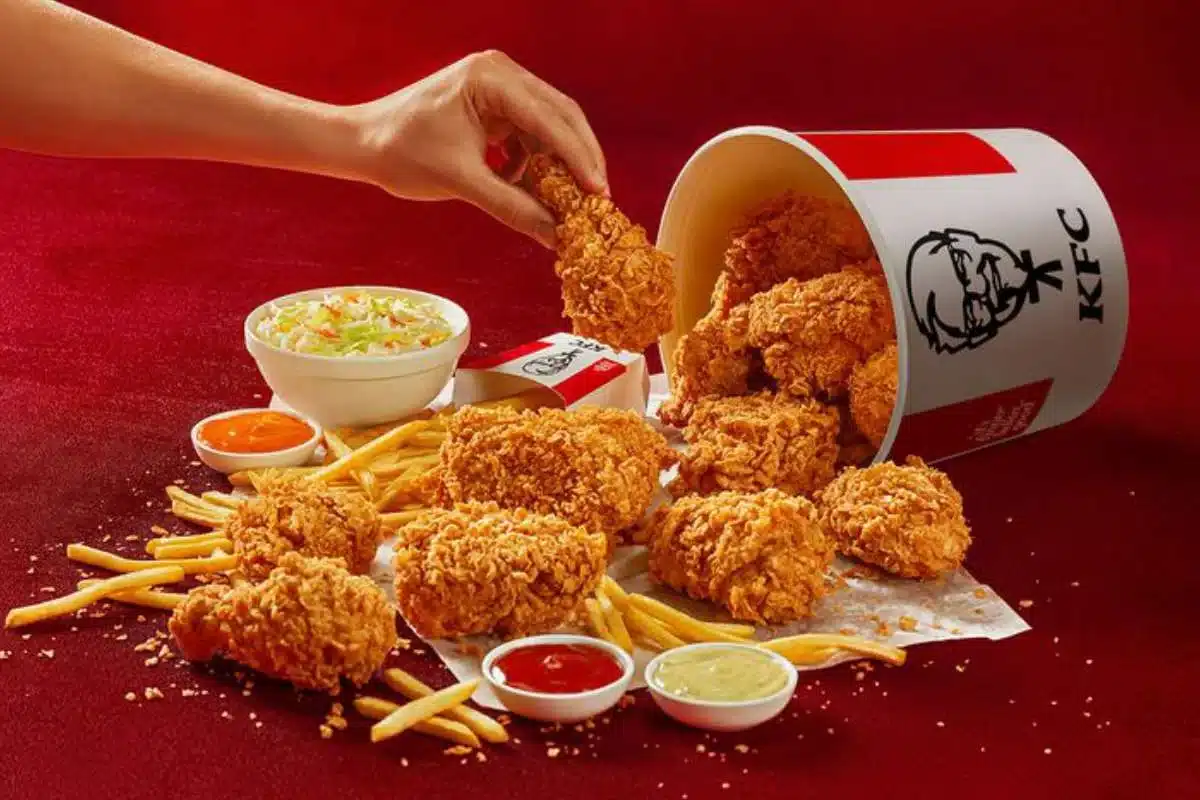
Story of KFC Outlet – Corporate pivots reveal resilience, long-term thinking, and strategic creativity that can inspire businesses everywhere, including in Sri Lanka in 2026. Few stories capture this better than that of KFC and its founder, Colonel Harland Sanders. At an age when most people consider retirement, Sanders transformed a small roadside restaurant serving fried chicken into a global franchise empire.
Facing repeated failures, business closures, and hundreds of rejections, he refused to give up on his secret recipe of 11 herbs and spices. Instead, he made a bold pivot from operating a single location to franchising his concept, fundamentally changing how the business scaled. This was not a minor tweak but a complete reinvention that turned personal setbacks into one of the world’s most recognisable fast-food brands. For Sri Lankan entrepreneurs, SMEs and corporate leaders navigating economic challenges, market shifts and the need for innovation, the KFC story offers a powerful narrative of perseverance and visionary adaptation.
Also in Explained | Business Strategy Lessons from Netflix – A Global Corporation Pivot
The Story of KFC Outlet: From Roadside Struggles to Global Franchising
Harland Sanders’ journey began in the 1930s at a gas station in Corbin, Kentucky, where he served travellers his Southern-style fried chicken. He perfected his pressure-frying technique and secret recipe, building a loyal local following. However, the construction of a new interstate highway bypassed his location, causing a sharp drop in customers and forcing the closure of his restaurant.
Rather than retiring, Sanders then in his 60s made a decisive pivot. He hit the road with his pressure cooker and recipe, visiting restaurant owners across the United States to demonstrate his chicken and offer franchising deals. The first official KFC franchise opened in Salt Lake City, Utah, in 1952. Sanders did not build new outlets himself; instead, he licensed his brand and recipe, earning royalties per piece of chicken sold. This franchise model allowed rapid, low-capital expansion without the heavy infrastructure costs of owning every location.
By the early 1960s, hundreds of KFC outlets operated across America. In 1964, at age 74, Sanders sold the company for US$2 million (a significant sum at the time) while retaining rights to his image and quality oversight. The brand continued to grow internationally, adapting menus to local tastes while staying true to its core offering. What started as a single roadside outlet became a global chain with thousands of locations, proving that a well-executed pivot could turn adversity into enduring success.
What the KFC Pivot Reveals About Resilience, Long-Term Thinking and Strategic Creativity
The Colonel’s story highlights key elements of successful corporate pivots. First, resilience in the face of repeated failure: Sanders was turned down over 1,000 times before securing his first franchise deal, yet he persisted, using each rejection as motivation rather than defeat. Second, long-term thinking: He focused on building a scalable system rather than short-term profits from one location. By franchising, he created a model that could expand rapidly without requiring massive personal investment, prioritising sustainable growth over immediate control.
Third, strategic creativity shone in how he reimagined his business. Instead of competing as a single restaurant, Sanders turned his intellectual property the secret recipe and cooking method into a licensable brand. He maintained quality standards through training and oversight while allowing local operators to run day-to-day operations. This hybrid approach combined standardisation with flexibility, enabling global adaptation while preserving the brand’s identity.
These qualities turned potential retirement into a legacy that continues to influence fast-food franchising worldwide.
Practical Lessons for Sri Lankan Businesses Facing Change
Sri Lankan companies, from small eateries and retail outlets to apparel manufacturers and tourism operators, often encounter similar disruptions shifting consumer preferences, infrastructure changes, economic pressures or digital competition. The KFC story provides actionable inspiration:
- Pivot proactively, not reactively – Identify threats early (like declining foot traffic or market shifts) and reframe your core offering into something scalable, such as franchising, licensing or digital expansion.
- Embrace resilience through persistence – Rejections and setbacks are part of the process; treat them as data points and keep refining your pitch or model.
- Focus on long-term scalability – Invest in systems, branding and training that allow growth beyond a single location or limited resources, whether through partnerships, regional outlets or e-commerce models.
- Leverage creativity in value creation – Protect and monetise unique assets (a recipe, process, expertise or local insight) while adapting to new markets or customer needs.
- Build for legacy, not just survival – Maintain core quality and values even as the business model evolves, fostering trust with partners and customers.
Local SMEs can start small by testing franchise-like collaborations, regional expansions or value-added services around their strengths.
Turning the KFC Pivot Lessons into Enduring Business Strength
The story of Colonel Sanders and KFC is ultimately one of hope and determination: a man who refused to let age, failure or changing circumstances define his potential. In 2026, as Sri Lankan businesses contend with global volatility, digital disruption and opportunities in tourism, exports and regional markets, the same spirit resilience, long-term thinking and strategic creativity can drive meaningful transformation.
Leaders who draw inspiration from such global pivots and apply them with local relevance will build enterprises that not only survive challenges but emerge stronger. By embracing purposeful change and viewing setbacks as stepping stones, Sri Lankan entrepreneurs can create their own inspiring legacies of growth, innovation and lasting impact in a dynamic economy.
Also in Explained | Is Sustainable Clothing the Answer to Toxic Chemicals in Activewear?