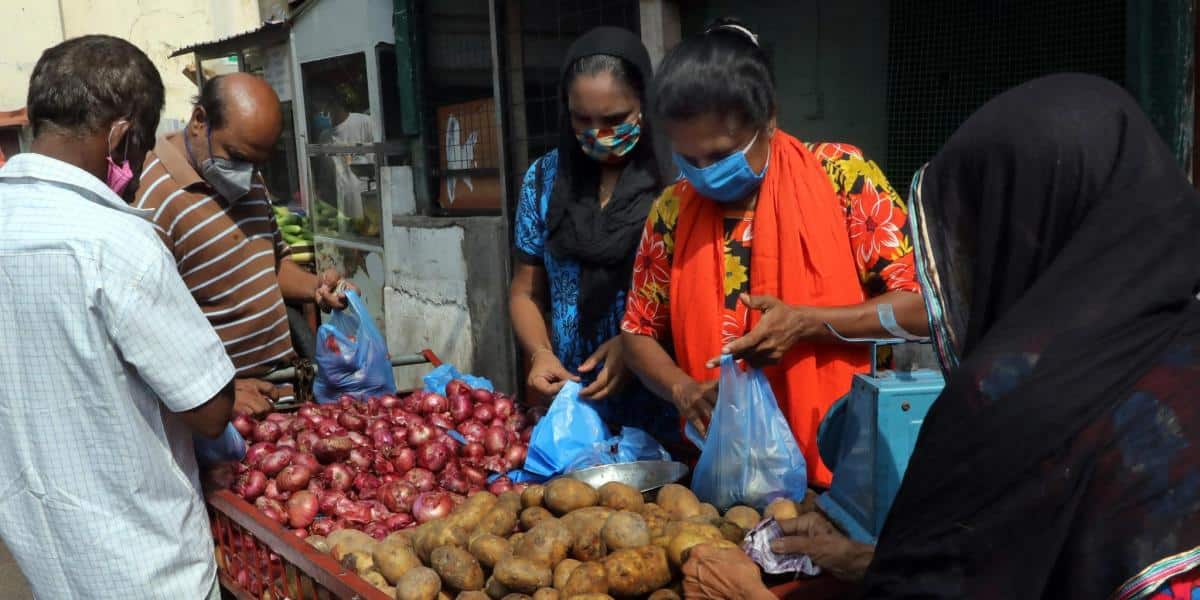

Banks have liquidity, but are SMEs really getting easier access to finance remains one of the most pressing questions facing Sri Lanka’s private sector in 2026. The banking system ended 2025 with a Rs. 175.2 billion liquidity surplus, up from Rs. 168.1 billion the previous year, while sector profits rose 19.3% to Rs. 369 billion. Short-term rates have occasionally drifted above the Overnight Policy Rate of 7.75%, yet banks continue to sit on excess funds. Meanwhile, small and medium enterprises which account for over 75% of all businesses and 45% of total employment still report high loan rejection rates and struggle to secure working capital.
The gap between system-wide liquidity and actual credit flowing to smaller operators is not closing as quickly as macroeconomic headlines suggest. For many SMEs, especially those needing flexible, short-term facilities to manage cash flow or seize opportunities, the recovery feels incomplete. This disconnect demands urgent attention if Sri Lanka’s post-crisis growth is to be broad-based and inclusive.
Banks Have Liquidity: Why It Has Not Fully Reached Smaller Operators
Sri Lanka’s banks are undeniably liquid. The Central Bank of Sri Lanka has deliberately allowed surplus liquidity to persist through 2025 and into early 2026 while implementing Statutory Reserve Ratio reforms to manage distribution more effectively. Liquidity Coverage Ratios remain comfortably above regulatory minimums, and the sector’s capital adequacy levels are strong. Private sector credit has expanded, particularly in larger corporate segments, yet the transmission to micro, small and medium enterprises remains uneven.
CBSL’s own credit surveys in early 2026 signal improving overall lending appetite, but SME-specific loan rejections have risen. Many smaller firms remain listed as high-risk at the Credit Information Bureau due to past non-performing loans from the 2022 crisis, making banks understandably cautious. Even with abundant liquidity in the system, risk-averse lending practices favour larger, well-collateralised borrowers.
Smaller operators often lacking formal financial statements, adequate collateral, or long credit histories find themselves sidelined. The result is a paradox: banks hold more than enough funds to lend, yet working capital for day-to-day operations, inventory purchases, or seasonal needs continues to be scarce for the majority of SMEs. This liquidity-access mismatch slows job creation and limits the very entrepreneurship that drives over half of national GDP.
Also in Explained | What Permanent Solutions Could Make Daily Life More Stable in Sri Lanka
Persistent Barriers to Working Capital and Flexible Financing for Smaller Firms
Working capital and flexible financing remain the biggest pain points for Sri Lankan SMEs despite the banking sector’s strong liquidity position. Traditional bank loans often come with rigid terms, high collateral requirements, and lengthy approval processes that do not match the fast-changing needs of small businesses. Many SMEs report that even when loans are approved, the funds arrive too late or carry interest rates that squeeze already thin margins.
Recent interventions illustrate both progress and limitations. In January 2026, the International Finance Corporation announced a $166 million financing package across three major banks, including $80 million in risk-sharing facilities that cover 50% of potential losses on eligible SME portfolios and $36 million in trade finance guarantees. A portion is specifically earmarked for women-owned enterprises. The government has also launched schemes such as the RE–MSME PLUS programme offering loans up to Rs. 1 million at just 3% interest for disaster-affected micro and small businesses.
These measures are designed to bridge the gap, yet early feedback from business chambers indicates that disbursement remains slow and many smaller firms still face rejection or are unaware of the facilities. Without simpler application processes, credit scoring models that look beyond collateral, and greater emphasis on cash-flow-based lending, liquidity in the banking system will continue to benefit larger players more than the thousands of smaller operators who form the backbone of the economy.
Government Schemes and International Support: Are They Closing the Gap Fast Enough?
Both government and international partners have stepped up efforts to channel liquidity toward SMEs, but questions remain about speed and scale. The 2025 budget included a US$667 million SME loan scheme targeting around 77,000 entrepreneurs, while the new RE–MSME PLUS initiative aims to support 130,000 disaster-affected businesses with concessionary rates. These programmes, combined with the IFC’s risk-sharing approach, represent a clear policy push to ease access.
However, structural barriers persist. Banks remain wary of fresh lending to previously distressed segments, and many SMEs lack the documentation or track record required under current credit assessment frameworks. Proposals such as a Rs. 300 billion “bad bank” to absorb legacy SME loans highlight the depth of the problem: without cleaning up balance sheets, banks are reluctant to deploy excess liquidity aggressively.
Smaller firms needing quick, flexible working capital for raw materials, wages, or market opportunities often turn to informal lenders at much higher costs or simply scale back operations. Until credit evaluation shifts toward forward-looking cash-flow analysis and digital lending platforms reduce approval times, the gap between system liquidity and real-world access will remain a brake on SME growth.
Bridging the Liquidity-Access Divide for Inclusive Economic Growth in Sri Lanka
Sri Lanka’s banks have liquidity, but SMEs are not yet experiencing significantly easier access to finance. The surplus funds, strong profitability, and targeted interventions from the Central Bank, government, and development partners create a solid foundation, yet the daily reality for smaller operators particularly those seeking working capital and flexible terms shows that money in the system does not automatically translate into credit on the ground. Closing this gap requires faster implementation of risk-sharing facilities, simplified digital application processes, updated credit scoring that rewards viable businesses rather than punishing past crises, and continued policy focus on SMEs as the engine of employment and regional development.
When smaller firms can readily access the working capital they need, the entire economy benefits through higher investment, job creation, and resilience to future shocks. The data from 2025 and early 2026 make the challenge clear: liquidity exists, but the transmission mechanism to Sri Lanka’s SMEs still needs urgent strengthening. Only then will banks’ excess funds truly power broad-based recovery rather than remaining parked in surplus accounts.
Also in Explained | The Devastating Impact of Cyclone Ditwah on Sri Lanka’s SME Sector