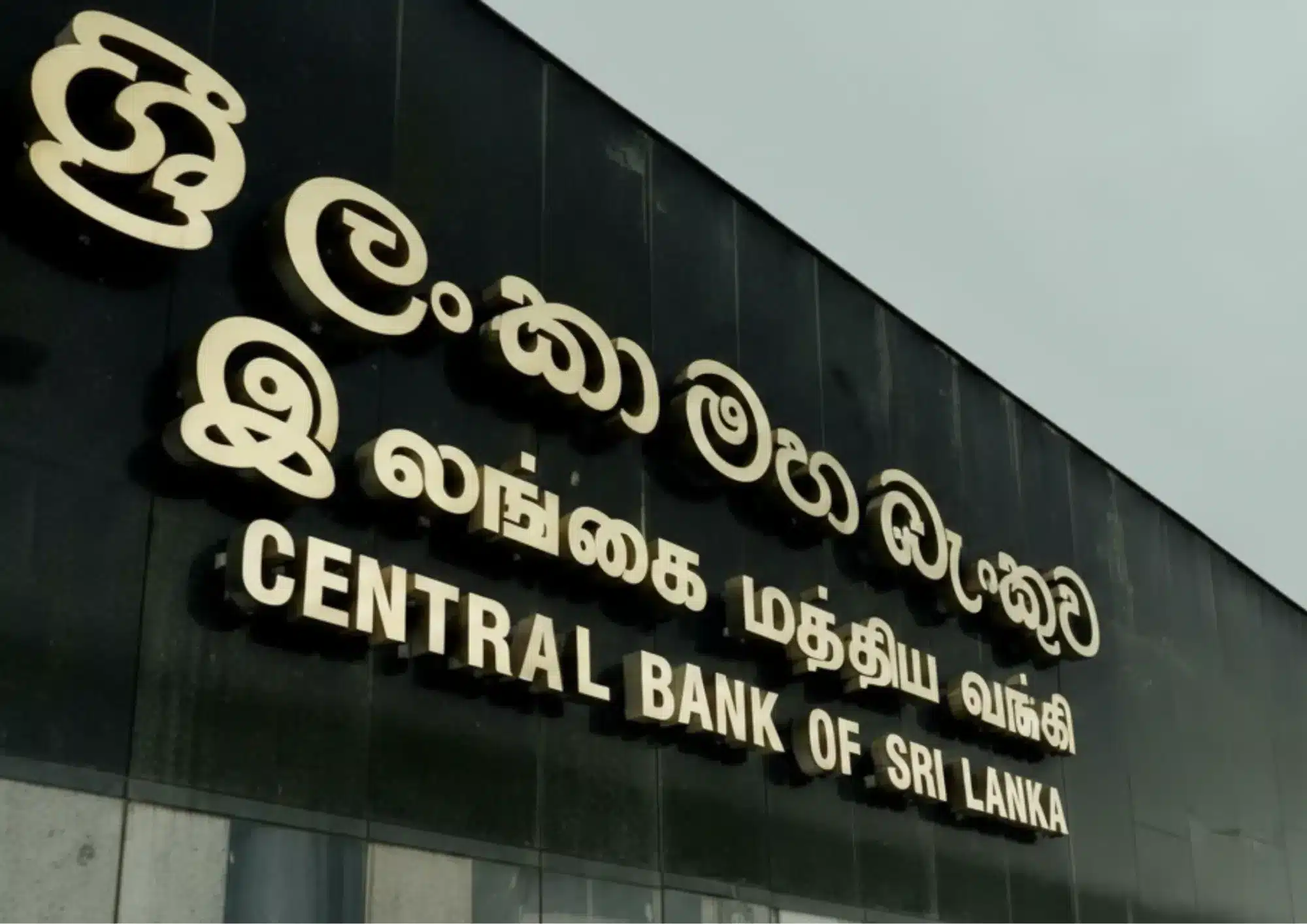
Sri Lanka’s largest bank, Bank of Ceylon (BOC), is preparing to raise up to Rs. 20 billion through Basel III‑compliant Tier II Sustainability Bonds. The Colombo Stock Exchange (CSE) has granted in‑principle approval for the listing, marking one of the most significant capital market developments of 2025.
The subscription list opens on 22 December and will be limited to qualified investors, as specified in the prospectus. With an initial offer of Rs. 10 billion and two additional options of Rs. 5 billion each, the issue represents both a test of investor appetite and a signal of BOC’s strategic priorities in strengthening its capital base.
Structure of the Bond Issue
The bonds are unsecured, subordinated, and redeemable, carrying a five‑year tenor from 2025 to 2030. In line with Basel III requirements, they include non‑viability write‑down features, ensuring compliance with international banking standards.
The initial issue will comprise up to 100 million bonds at an issue price of Rs. 100 each. In the event of oversubscription, BOC has the option to issue a further 50 million bonds. A second tranche of an additional 50 million bonds could take the total issue size to Rs. 20 billion.
Two coupon structures will be offered:
- Type A Bonds: Fixed annual coupon of 10.50%
- Type B Bonds: Floating rate equivalent to the 12‑month Treasury Bill rate plus 2%, payable annually
This dual structure provides flexibility for investors, catering to those seeking predictable returns and those willing to align with market‑linked rates.
Also in Explained | Rebuilding Sri Lanka’s Industrial Backbone: How Large-Scale Industries Will Recover After Cyclone Ditwah
Why Basel III Compliance Matters
Basel III regulations were introduced globally to strengthen bank capital requirements and risk management. For Sri Lanka, compliance is not just a regulatory necessity but a credibility marker in international markets.
By issuing Basel III‑compliant Tier II bonds, BOC demonstrates its commitment to global standards. The inclusion of non‑viability write‑down features ensures that the bonds can absorb losses if the bank’s capital falls below regulatory thresholds, protecting depositors and maintaining systemic stability.
Bank Of Ceylon’s Financial Strength
As of end‑September 2025, BOC reported total assets of Rs. 5.6 trillion, up 11% or Rs. 579 billion from end‑December 2024. The bank also reported retained earnings of Rs. 200.5 billion, underscoring its strong capital position.
This growth trajectory provides confidence to investors. The bond issue is not a rescue measure but a strategic move to diversify funding, strengthen Tier II capital, and align with sustainability objectives. For qualified investors, the combination of scale, compliance, and retained earnings offers reassurance of stability.
Investor Appetite and Market Dynamics
The subscription list opening on 22 December will test investor appetite for large‑scale bond issues in Sri Lanka. Qualified investors, including institutional funds, pension schemes, and high‑net‑worth individuals, are expected to participate.
The fixed coupon of 10.50% is attractive in a high‑interest environment, while the floating option linked to Treasury Bill rates provides flexibility. With Sri Lanka’s monetary policy still navigating inflationary pressures, both structures offer competitive returns relative to alternative instruments.
Oversubscription is a possibility, given BOC’s scale and reputation. The option to expand the issue size to Rs. 20 billion reflects confidence in demand.
Implications for the Capital Market
The listing of BOC’s sustainability bonds on the CSE is significant for several reasons:
- Market Depth: Large‑scale bond issues deepen the capital market, providing more instruments for investors and enhancing liquidity.
- Benchmarking: As the largest state‑owned bank, BOC sets benchmarks for other issuers. Its compliance with Basel III standards raises expectations across the sector.
- Investor Confidence: The issue signals stability in Sri Lanka’s banking sector, encouraging both domestic and foreign investors.
- Sustainability Focus: Positioning the bonds as “sustainability bonds” aligns with global trends in ESG (environmental, social, governance) investing, potentially attracting new categories of investors.
Strategic Timing
The timing of the issue is notable. Sri Lanka’s economy is recovering from Cyclone Ditwah, with infrastructure and industrial rebuilding underway. Financial institutions are under pressure to support recovery while maintaining stability.
By raising Tier II capital now, BOC strengthens its ability to absorb shocks, finance growth, and support lending. The bond issue also provides a signal to international partners that Sri Lanka’s banking sector is proactive in managing risks.
Risks and Considerations
While the bond issue is strategically sound, investors must consider risks:
- Non‑viability write‑down: Basel III features mean bonds can be written down if the bank’s capital falls below thresholds.
- Market volatility: Interest rate fluctuations could affect the attractiveness of floating‑rate bonds.
- Economic uncertainty: External shocks, including tariff pressures and global demand softness, could impact Sri Lanka’s broader financial stability.
Qualified investors are expected to weigh these risks against the bank’s strong asset growth and retained earnings.
Conclusion
Bank of Ceylon’s Rs. 20 billion Basel III‑compliant Tier II Sustainability Bonds represent a landmark in Sri Lanka’s capital market. With strong asset growth, retained earnings of Rs. 200.5 billion, and compliance with international standards, BOC is well‑positioned to attract qualified investors.
The dual coupon structure, oversubscription options, and sustainability positioning make the issue both flexible and forward‑looking. For Sri Lanka’s capital market, the listing signals depth, confidence, and alignment with global trends.
As the subscription list opens on 22 December, the outcome will provide insights into investor sentiment and the resilience of Sri Lanka’s financial sector. For business leaders, entrepreneurs, and institutional investors, the message is clear: Sri Lanka’s largest bank is not just weathering challenges, it is shaping the future of capital market stability.
Also in Explained | SpaceX’s $1 Trillion IPO: How Orbital AI Infrastructure Could Reshape Global Computing in 2026