
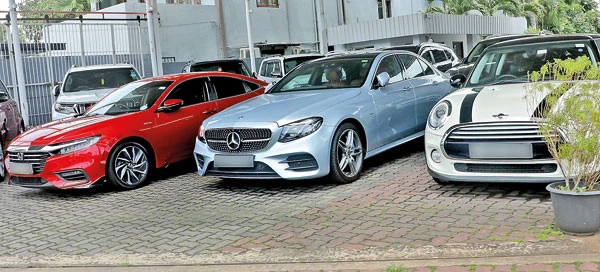
Vehicle import trends aren’t just consumer concerns — they shape logistics, retail, and SME transport costs in meaningful ways for Sri Lankan businesses in 2026. Following the phased relaxation of import restrictions that began in early 2025, the landscape continues to evolve with significant tax adjustments taking effect from April 2026. The introduction of the 2.5% Social Security Contribution Levy (SSCL) at the point of importation, alongside restructured customs duty bands and ongoing age restrictions, is influencing fleet renewal decisions, operational expenses, and supply chain efficiency. For logistics providers, retailers, manufacturers, and SMEs reliant on road transport, these policy shifts signal the need for proactive planning to manage costs while maintaining competitiveness amid moderating import demand.
Recent Policy Developments and Import Trends in Early 2026
Sri Lanka has continued the gradual normalization of vehicle imports that started in phases from early 2025. Priority was initially given to commercial and public transport vehicles such as lorries, buses, and school vans, with broader access extended to private and utility vehicles thereafter. Strict age limits remain enforced: most motor cars, SUVs, and motorcycles are restricted to under three years from the date of manufacture, while certain vans, dual-purpose vehicles, and lorries (GVW under 5MT) allow up to four or five years depending on the category. Only right-hand drive vehicles are permitted.
Key tax changes under Budget 2026 took effect from 1 April 2026. Customs import duty bands have been restructured into four simplified tiers — 0%, 10%, 20%, and 30% — with many motor vehicles falling under the higher bands. A major development is the application of the Social Security Contribution Levy (SSCL) at 2.5% on the vehicle value directly at importation. This removes the previous exemption at import stage and increases upfront landed costs. The Customs Duty Surcharge has been extended through the end of 2026, while some para-tariffs such as CESS are being phased out gradually. Individual importers continue to be limited to one vehicle per 12-month period, and authorities are monitoring foreign exchange outflows to maintain sustainable import levels.
February 2026 data showed a sharp year-on-year rise in the vehicle import bill, reflecting continued demand. However, after the strong post-liberalization surge in 2025, overall import momentum is moderating in 2026 due to absorbed pent-up demand, elevated dealer inventories, and tighter financing conditions including reduced loan-to-value ratios.
How Policy Changes and Moderating Demand Are Influencing Business Costs
The April 2026 tax adjustments, particularly the 2.5% SSCL collected at the port, raise upfront capital requirements for fleet operators and dealers. Combined with the new duty bands, this adds predictability but elevates acquisition costs for many vehicle categories. Moderating import volumes after 2025’s boom are helping stabilize supply, yet prices are expected to remain firm in the near term rather than decline sharply.
For businesses, this environment means higher costs when renewing or expanding vehicle fleets. Logistics and transport companies face increased expenses for trucks and vans, while retail and distribution SMEs using delivery vehicles may see ownership costs rise, potentially squeezing margins. On the positive side, the policy tilt toward newer vehicles (often more fuel-efficient, including hybrids) supports potential long-term savings on fuel and maintenance. However, the immediate cash-flow impact from the SSCL and related levies requires careful budgeting. Tighter financing further encourages more strategic, rather than reactive, procurement decisions.
Practical Implications and Strategies for Business Owners
The vehicle import policy directly affects logistics, retail, distribution, and other road-dependent sectors. Transport costs may rise in the short term, feeding into higher freight rates or service pricing for SMEs with limited ability to absorb increases. Larger operators may face margin pressure during fleet renewal cycles.
To anticipate and manage these shifts, business owners should:
- Review and time fleet renewal plans around the April 2026 tax changes to optimize costs where possible.
- Prioritize fuel-efficient or hybrid models to offset higher upfront costs through lower long-term operating expenses.
- Explore available financing options or schemes targeted at commercial vehicles while accounting for adjusted loan-to-value ratios.
- Strengthen relationships with importers and dealers for improved pricing visibility and potential bulk advantages.
- Incorporate expected cost increases into budgeting, pricing models, and operational planning, while evaluating efficiencies such as route optimization or digital logistics tools.
SMEs, in particular, may benefit from exploring leasing arrangements or shared mobility solutions as alternatives to outright ownership.
Turning Vehicle Import Policy Shifts into Sustainable Business Resilience
Sri Lanka’s vehicle import policy and demand dynamics in 2026 reflect a move toward more balanced management after the initial liberalization phase. While the April tax changes and moderating import volumes introduce short-term cost pressures on logistics, retail, and SME transport, they also promote greater efficiency and disciplined fleet planning.
Business owners who view these developments as a signal for smarter procurement, cost control, and operational improvements can better protect margins and strengthen competitiveness. By focusing on fuel-efficient vehicles, strategic timing, and enhanced logistics practices, Sri Lankan enterprises can navigate the current environment and build more resilient supply chains in a recovering economy. The coming months will highlight those who adapt proactively to support sustained business growth.
Also in Explained | Buyer’s Guide: Verifying Imported Vehicles in Sri Lanka and Avoiding Import Fraud