Why Every Global Crisis Ends Up at Sea? Recent global events in early 2026 have repeatedly converged on one sector: marine shipping. From the effective closure of the Strait of Hormuz in March following escalating Middle East conflict to the Red Sea disruptions that persisted from previous years, crises that begin far away quickly translate into higher fuel prices, fertiliser shortages, and supply chain pressures felt in Sri Lankan homes and businesses.
The sinking of an Iranian frigate in Sri Lanka’s Exclusive Economic Zone (EEZ) off Galle on 4 March 2026, followed by a second Iranian vessel seeking safe haven, brought the issue even closer to home. These incidents underscore a truth many had overlooked: shipping quietly powers nearly every aspect of modern life, from the fuel in our vehicles to the fertiliser on our farms and the goods on our supermarket shelves.
Sri Lanka, positioned at a strategic crossroads in the Indian Ocean, is particularly exposed. Colombo Port handled a record 8.29 million TEUs in 2025, a 6% increase from 2024 with transhipment accounting for around 81% of volume. Yet the same maritime routes that bring opportunity also transmit shocks. This analysis explores how shipping underpins Sri Lanka’s daily economy and why recent crises reveal its hidden centrality.
Also in Explained | The Rising Cost of Shipping and Freight – A Hidden Threat to Sri Lanka Exporters
Why Every Global Crisis Ends Up at Sea – The Invisible Backbone of Daily Life
More than 90% of global trade by volume moves by sea. In Sri Lanka, this means imported fuel, fertiliser, raw materials for manufacturing, and consumer goods all arrive via maritime routes. The Strait of Hormuz, which carries approximately 20% of global oil and LNG and a significant share of fertiliser trade (around one-third of seaborne urea and ammonia), is a prime example. When disruptions occur as seen in March 2026 with vessel traffic plunging 70–95% ripple effects are immediate and widespread.
In Sri Lanka, the March fuel price revision by Ceypetco and Lanka IOC directly reflected higher global crude prices triggered by Hormuz tensions. Auto Diesel rose Rs. 22 to Rs. 303 per litre, Petrol 92 Octane increased Rs. 24 to Rs. 317, and Kerosene went up Rs. 13 to Rs. 195. These adjustments affect everything from three-wheeler fares and school transport to factory energy costs and household budgets. Fertiliser imports, heavily reliant on Gulf sources routed through the strait, face similar pressures. Urea prices have surged globally, raising input costs for paddy, tea, and rubber farmers at a critical planting stage and threatening food security and export earnings.
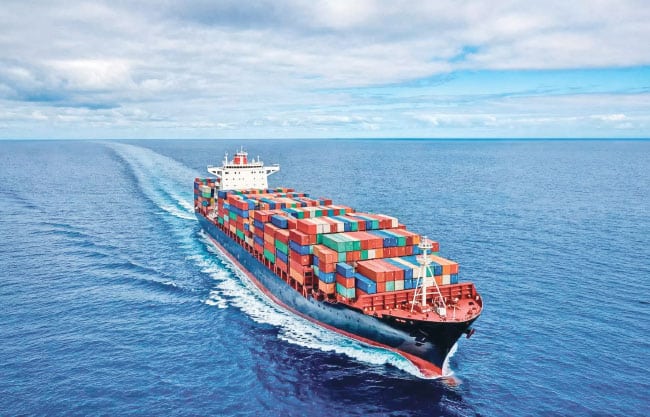
Container shipping faces parallel challenges. Rerouting around Africa due to earlier Red Sea issues already extended transit times by 10–20 days and raised freight rates. The added Hormuz pressure compounds delays and insurance costs, pushing up prices for imported electronics, clothing materials, and everyday essentials. Sri Lankan consumers experience this as higher costs for groceries, transport, and manufactured goods often without realising the maritime link.
Sri Lanka’s Strategic Position and Vulnerabilities
Colombo Port’s role as South Asia’s premier transhipment hub provides a buffer and an opportunity. In 2025, the port achieved its highest-ever throughput, and authorities target 10 million TEUs in 2026 with expansions at the East and West Container Terminals. Rerouting from affected Gulf ports such as Jebel Ali could potentially boost volumes, as seen during previous Red Sea disruptions when Colombo benefited from increased transhipment and bunkering demand.
Yet vulnerability remains high. Sri Lanka imports nearly all its fuel and substantial fertiliser volumes. Disruptions in key chokepoints raise landed costs, widen the trade deficit, and exert inflationary pressure even as the economy shows resilience with gross official reserves above USD 6.8 billion and a current account surplus. The recent EEZ incidents highlight maritime security as another layer: while Sri Lanka Navy’s prompt search-and-rescue operations demonstrated professionalism, any escalation could affect investor confidence in port-related projects and the blue economy.
Businesses feel the impact across sectors. Logistics and freight operators face higher operating expenses and delays. Exporters in apparel, tea, and rubber contend with elevated inland transport and international freight costs, eroding margins. Manufacturers using diesel generators or imported raw materials see production costs climb. Tourism operators, already navigating recovery, deal with higher fuel surcharges for transfers and potential shifts in global travel perceptions.
The Broader Lesson: Shipping Is Not Just Transport – It Is Economic Lifeline
Recent events reveal how interconnected global trade has become. A conflict thousands of kilometres away translates into higher prices at Sri Lankan petrol stations and fertiliser outlets within weeks. We often take shipping for granted until chokepoints falter whether the Strait of Hormuz, Bab el-Mandeb, or even the Panama Canal during droughts. For an island nation like Sri Lanka, where 90%+ of trade is seaborne, maritime stability is not a peripheral issue but a core determinant of cost of living, agricultural productivity, and industrial competitiveness.
The crises also spotlight opportunities. Colombo Port’s strategic location on east-west routes positions it to capture diverted traffic during disruptions, potentially accelerating growth toward the 10-million-TEU target. Investments in port infrastructure, digital logistics, and green shipping can enhance resilience. Sri Lanka’s blue economy vision encompassing fisheries, offshore resources, and maritime services gains urgency as global attention shifts to secure, diversified supply chains.
Moving Forward: Building Maritime Resilience
Sri Lanka cannot control distant geopolitics, but it can strengthen domestic preparedness. Diversifying import sources for fuel and fertiliser, accelerating renewable energy adoption, and investing in efficient logistics reduce exposure. Enhanced maritime domain awareness building on the Navy’s recent EEZ responses protects both security and commercial interests. Public-private partnerships in port development and skills training for the maritime sector can turn vulnerabilities into competitive advantages.
For businesses, the lesson is proactive risk management: scenario planning for freight volatility, fuel hedging where possible, and exploring near-shoring or alternative sourcing. Households feel the pinch through daily costs, underscoring the need for transparent communication on price adjustments and support measures for vulnerable groups.
Recent global events have made one reality unmistakable: shipping is not a background industry but the artery of modern economies. In Sri Lanka, where maritime trade directly influences fuel prices, food production, export competitiveness, and port revenues, recognising this centrality is essential. As 2026 unfolds amid ongoing uncertainties, prioritising maritime resilience will be key to sustaining recovery, protecting livelihoods, and positioning the country as a stable hub in an increasingly interconnected and vulnerable world.
The next crisis may again begin at sea. This time, Sri Lanka must be ready not just to respond, but to thrive.
Also in Explained | How Sri Lanka’s Trade Diversification Strategy Could Unlock New Markets