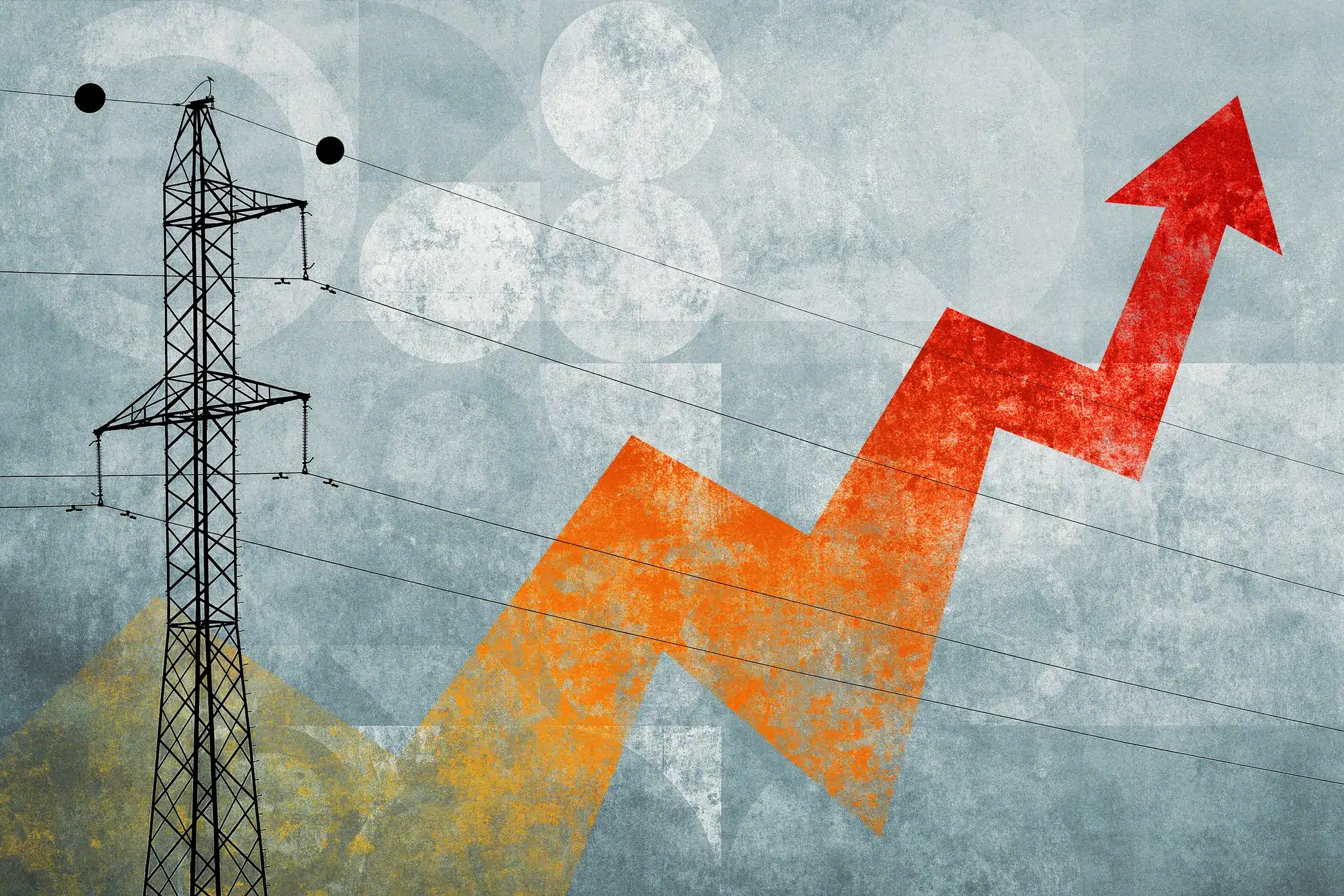
How rising electricity and energy tariffs affect businesses and household budgets has become a pressing reality for Sri Lankans following the tariff adjustments announced on 30 March 2026 and effective from 1 April. The Public Utilities Commission of Sri Lanka approved increases ranging from 4.3% for the lowest consumption slab (0–30 units) to 25% for households using more than 180 units, with most domestic consumers facing around 7.2% higher bills and industries seeing an 8.7% rise. Hotels will pay 9.9% more. These adjustments follow a 25% fuel price surge in late March driven by global energy market volatility.
For businesses, the hikes translate into higher production and operational costs that can squeeze margins and force pricing decisions. For households, they add direct pressure on monthly budgets already strained by transport and food costs. Business leaders and families alike must now plan strategically to absorb or pass on these increases while maintaining competitiveness and living standards in an environment where energy remains a major input cost.
Direct Impact on Household Budgets and Everyday Living Expenses by Rising Electricity and Energy Tariffs
Rising electricity tariffs immediately affect household cash flow, particularly for middle- and upper-consumption families. A typical middle-income household using 120–150 units per month will see its bill rise by roughly Rs. 300–500 monthly under the new structure. For larger families or those with air-conditioning, refrigeration, or electric water heaters in the higher slabs, the increase can exceed Rs. 1,000–2,000 per month. The steep 25% adjustment for consumption above 180 units hits larger or more energy-intensive homes hardest, forcing many to reconsider usage patterns.
These changes ripple into broader living costs. Higher electricity bills reduce disposable income available for groceries, education, healthcare, or savings. Families may cut back on non-essential appliances, shift to off-peak usage where possible, or invest in energy-efficient alternatives such as LED lighting or inverter fans decisions that require upfront capital many households lack. In rural and semi-urban areas, where incomes are often lower, the burden is felt more acutely even if absolute consumption is modest.
Combined with the recent fuel price hikes that raised transport and cooking costs, the cumulative effect is tighter monthly budgets and reduced purchasing power. Households that were already operating with limited buffers now face the strategic choice of absorbing the increase, reducing consumption, or seeking additional income sources to maintain their standard of living.
Also in Explained | Sri Lanka Vein Graphite: Can It Power the Global EV Battery Boom?
Operational Cost Pressures and Pricing Decisions for Businesses
For businesses across manufacturing, services, hospitality, and retail, electricity and energy tariffs represent a significant and largely unavoidable operating expense. Industries face an average 8.7% increase, while hotels a key foreign-exchange earner will pay 9.9% more. Small and medium enterprises, which often operate with thin margins and limited ability to pass costs forward, feel the pressure most acutely. A factory or commercial establishment consuming several thousand units monthly could see additional costs running into tens or hundreds of thousands of rupees each quarter.
These tariff rises force strategic adjustments. Businesses may accelerate energy-efficiency audits, invest in solar rooftop systems, or renegotiate supply contracts to offset the impact. Manufacturers of goods with high electricity intensity such as food processing, garments, or ceramics must decide whether to absorb the cost, raise product prices, or absorb reduced profitability. In the hospitality sector, higher tariffs could translate into increased room rates or food and beverage prices, potentially affecting competitiveness against regional destinations.
Retail and office-based businesses face similar dilemmas: higher air-conditioning and lighting costs during peak hours may prompt shifts to hybrid work models or revised operating schedules. The cumulative effect across the economy is higher input costs that can feed into inflation and slow private-sector expansion if not managed proactively. Forward-looking businesses are already modelling these tariff changes into their 2026 budgets and exploring long-term hedging through renewable energy adoption.
Strategic Planning and Mitigation Measures for Businesses and Households
Rising energy tariffs demand proactive planning rather than reactive cost-cutting. Businesses that treat the increase as a strategic signal are prioritising energy audits, demand-side management, and renewable integration to build resilience. Installing solar panels with net-metering, upgrading to energy-efficient equipment, or participating in time-of-use tariffs can yield meaningful savings within 12–24 months. Larger firms may also explore power purchase agreements or captive generation to reduce dependence on the national grid. For SMEs, government-supported schemes for energy efficiency or low-interest loans for green technology become critical tools to maintain competitiveness.
Households can adopt similar strategic approaches on a smaller scale. Simple behavioural changes such as using fans instead of air-conditioners during milder weather, scheduling high-consumption appliances for off-peak hours, or switching to energy-star-rated devices can limit the bill impact. Over the medium term, investing in solar home systems or efficient appliances offers both cost savings and greater energy security. Families should also review their overall budget to reallocate spending, perhaps by negotiating bulk purchases or seeking community-level solutions such as shared solar initiatives. Both businesses and households benefit from tracking consumption patterns through smart meters or simple tracking tools, turning the tariff hike into an opportunity to build more sustainable and cost-efficient energy habits.
Navigating Energy Cost Pressures for Sustainable Growth and Stability
Sri Lanka’s latest electricity and energy tariff adjustments, implemented from 1 April 2026, reflect the reality of cost-reflective pricing in a volatile global environment. While the increases create immediate challenges for businesses and households, they also underscore the need for a more diversified, efficient, and resilient energy system. Businesses that plan ahead with efficiency investments and renewable integration will emerge stronger and more competitive. Households that adapt consumption patterns and adopt smarter technologies will better protect their budgets and contribute to national energy security.
The strategic response to these tariff changes will determine how smoothly Sri Lanka transitions through this period of adjustment. By treating higher energy costs as a catalyst for innovation rather than an insurmountable burden, businesses and families can safeguard operations, preserve living standards, and support the broader goal of economic stability. The coming months will test the ability of both sectors to balance short-term pressures with long-term sustainability a balance that will shape competitiveness, affordability, and growth for the rest of 2026 and beyond.
Also in Explained | Why Services Exports (ICT/BPM) May Be Sri Lanka’s Next Big Export Engine