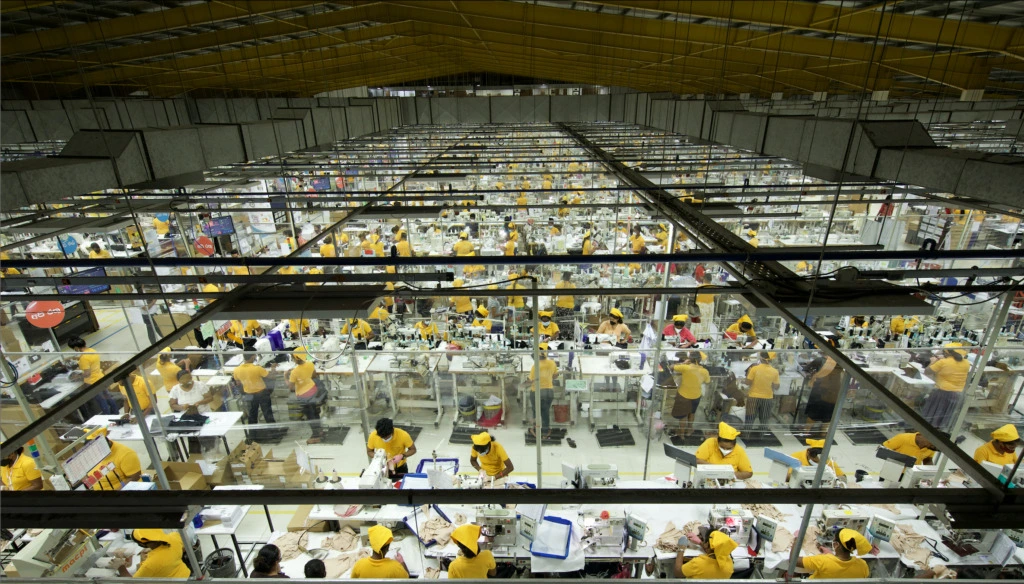
In February 2026, MAS Holdings, a leading player in Sri Lanka’s apparel and textile sector, announced a significant operational shift at its Methliya facility located within the MAS Fabric Park in the Thulhiriya industrial zone. Following the announcement communicated to employees on 19 February 2026, the company will cease garment manufacturing operations at the plant and repurpose the site to enhance its knitting, dyeing, and finishing capabilities. This move forms part of a broader effort to strengthen fabric manufacturing amid ongoing challenges in the global apparel market.
The decision affects approximately 2,200 employees at the Methliya plant. Production previously handled at the facility will be redistributed to other MAS apparel manufacturing sites within Sri Lanka. The company has emphasised that the repurposing leverages the site’s existing infrastructure, which is particularly suited for wet processing of fabrics. All changes are being implemented in full compliance with Sri Lankan labour laws and with the necessary regulatory approvals.
This development occurs against a backdrop of prolonged contraction in global apparel demand, particularly in key export markets such as the United States, European Union, and United Kingdom. Factors including economic slowdowns, high inflation, tariff-related pressures, and evolving policy shifts have impacted order volumes across major apparel-exporting nations, including Sri Lanka, Vietnam, China, and Bangladesh. MAS Holdings has described the step as a strategic response to these market realities, aimed at ensuring long-term operational stability and competitiveness.
Also in Explained | Sri Lanka’s Digital Nomad Visa – Unlocking Opportunities for Remote Professionals
Company and Sector Context
MAS Holdings has established itself as one of Sri Lanka’s flagship conglomerates in the apparel and textile industry, known for its vertical integration and commitment to ethical manufacturing practices. The group operates multiple facilities across the country and maintains a significant presence in international markets. The MAS Fabric Park in Thulhiriya itself represents a substantial investment in integrated textile capabilities, spanning infrastructure designed to support both fabric and garment production.
Sri Lanka’s apparel sector remains a cornerstone of the national economy, contributing substantially to export earnings and employment. The industry has historically benefited from preferential trade access, skilled labour, and a reputation for quality and compliance. However, like many apparel-dependent economies, it faces structural pressures from global supply chain reconfiguration, rising production costs in traditional hubs, and shifting buyer preferences toward sustainability, speed, and cost efficiency.
Recent industry data reflect volatility: while Sri Lankan apparel exports showed resilience in 2025 with cumulative growth in the first 11 months, monthly fluctuations and regional demand weaknesses underscore the need for adaptation. MAS Holdings’ move aligns with similar restructuring efforts observed in the sector, including the company’s own prior decisions to reorganise operations in other geographies such as Haiti and the Dominican Republic.
Strategic Advantages of the Repurposing Decision
From a business perspective, the repurposing of the Methliya plant offers several clear advantages. First, it allows MAS Holdings to deepen its capabilities in upstream fabric production knitting, dyeing, and finishing which are increasingly critical in a market where buyers demand greater control over supply chains and higher-value, sustainable materials. By concentrating resources on these areas at a site already equipped for wet processing, the company can improve efficiency, reduce duplication, and potentially enhance margins through vertical integration.
Second, the decision enables better allocation of garment production capacity across its existing Sri Lankan network. Rather than maintaining underutilised garment lines at Methliya amid softening demand, output is redirected to facilities better positioned to meet current order profiles. This optimisation supports cost control and responsiveness in a competitive landscape where rapid adaptation is essential.
Third, the move signals proactive leadership in responding to macroeconomic signals. Prolonged demand weakness in major markets requires decisive action to safeguard core profitability. By repurposing rather than simply closing the facility, MAS Holdings demonstrates asset stewardship, transforming an existing plant into a higher-value contributor rather than allowing infrastructure to remain idle. This approach can strengthen the company’s positioning for future growth when global conditions recover, potentially creating new opportunities in technical fabrics, sustainable dyeing technologies, or expanded fabric supply to both internal and external clients.
Finally, such strategic shifts contribute to overall organisational resilience. In an era of automation, digitalisation, and sustainability mandates, focusing on fabric manufacturing aligns with industry trends toward innovation and reduced environmental footprint in wet processing through modernised technologies.
Challenges and Potential Drawbacks
Despite these benefits, the decision naturally carries significant challenges, primarily centred on its human and local economic dimensions. The transition directly impacts 2,200 employees who have contributed to garment manufacturing at the site. While transfer options are available, relocation whether to other facilities within Sri Lanka or overseas, such as Jordan can present practical difficulties including family considerations, commuting distances, housing adjustments, and adaptation to new work environments.
For those who opt not to relocate, the company has committed to compensation packages exceeding statutory requirements, along with full settlement of dues and continued wages through the end of April 2026, including the April bonus. Nevertheless, the short-term financial and emotional adjustment for affected workers and their families remains a valid concern. In a region like Thulhiriya, where the plant forms part of the local industrial fabric, reduced activity could also influence ancillary businesses such as transport, catering, and small-scale suppliers.
Broader workforce morale across the group may experience temporary pressure during any period of uncertainty, even as the company maintains that operations at all other facilities continue normally. From an industry viewpoint, repeated restructuring announcements can amplify perceptions of vulnerability in Sri Lanka’s apparel sector, potentially affecting talent attraction and retention if not managed with transparency.
Additionally, while redistribution of production helps maintain overall output, there may be short-term logistical and training costs associated with integrating Methliya’s former capacity into other sites. Any delay in realising the full benefits of the new fabric-focused operations could temporarily affect cash flow or efficiency metrics.
Turning Challenges into Opportunities Through Responsible Execution
The key to transforming these potential downsides into long-term gains lies in deliberate, people-centred implementation, the approach MAS Holdings appears to be pursuing. Employee transfers, supported by a three-month salary incentive for relocation, can be reframed as career development opportunities. International assignments, such as to Jordan, expose workers to global best practices, new technologies, and diverse markets, building skills that enhance employability and personal growth. Successful retention of talent through these offers preserves institutional knowledge while strengthening the company’s multinational footprint.
For employees choosing separation, the enhanced compensation and wage continuity provide a critical buffer. When paired with proactive reskilling initiatives whether internally funded or in partnership with government and vocational institutions these packages can facilitate transitions into emerging roles in fabric manufacturing at the repurposed site, adjacent industries, or even entrepreneurship. Training in areas such as advanced dyeing techniques, quality control for sustainable fabrics, or digital manufacturing tools directly supports the plant’s new mandate, turning displaced garment expertise into specialised fabric competencies.
At the community level, collaboration with local authorities and industry bodies can mitigate regional impacts. The repurposed Methliya facility, once operational in its new capacity, may support higher-skilled employment in fabric manufacturing, gradually offsetting initial reductions. This evolution from garment assembly to advanced textile processing exemplifies industrial upgrading, a proven pathway for economies seeking to move up the value chain.
From a corporate standpoint, transparent communication and compliance with labour standards build trust with employees, regulators, and international buyers who increasingly prioritise ethical supply chains. A well-executed transition reinforces MAS Holdings’ reputation for responsible stewardship, potentially attracting new investment and talent. Over time, restored or enhanced profitability from optimised operations can fund further expansion, training programmes, and community initiatives—creating a virtuous cycle where short-term adjustment supports sustainable growth.
Wider Implications for Sri Lankan Industry and Policy
This case offers valuable lessons for other manufacturers in Sri Lanka and similar export-oriented sectors. It underscores the importance of agility in the face of global headwinds and the value of vertical integration as a buffer against pure garment-assembly vulnerabilities. Policymakers and industry associations may draw insights on the need for robust reskilling frameworks, incentives for technology adoption, and diversified trade strategies to complement private-sector restructuring.
For the apparel sector specifically, the episode highlights the ongoing shift toward higher-value activities such as fabric innovation and sustainable production areas where Sri Lanka can leverage its established strengths in compliance and quality. Supportive policies around skills development, energy costs for wet processing, and trade negotiations could amplify the positive outcomes of such corporate decisions.
Conclusion
MAS Holdings’ repurposing of the Methliya plant represents a pragmatic response to evolving global realities rather than a retreat from operations. By weighing the clear strategic benefits against the acknowledged human challenges and addressing the latter through structured support mechanisms, the company illustrates how difficult decisions, when handled responsibly, can lay the foundation for renewed competitiveness. As Sri Lanka’s business community continues to navigate a complex international environment, examples of adaptive, forward-looking transformation will be essential to sustaining growth and shared prosperity.
Also in Explained | Event-Based Tourism in Sri Lanka: The India-Pakistan T20 Clash Sets a New Benchmark