
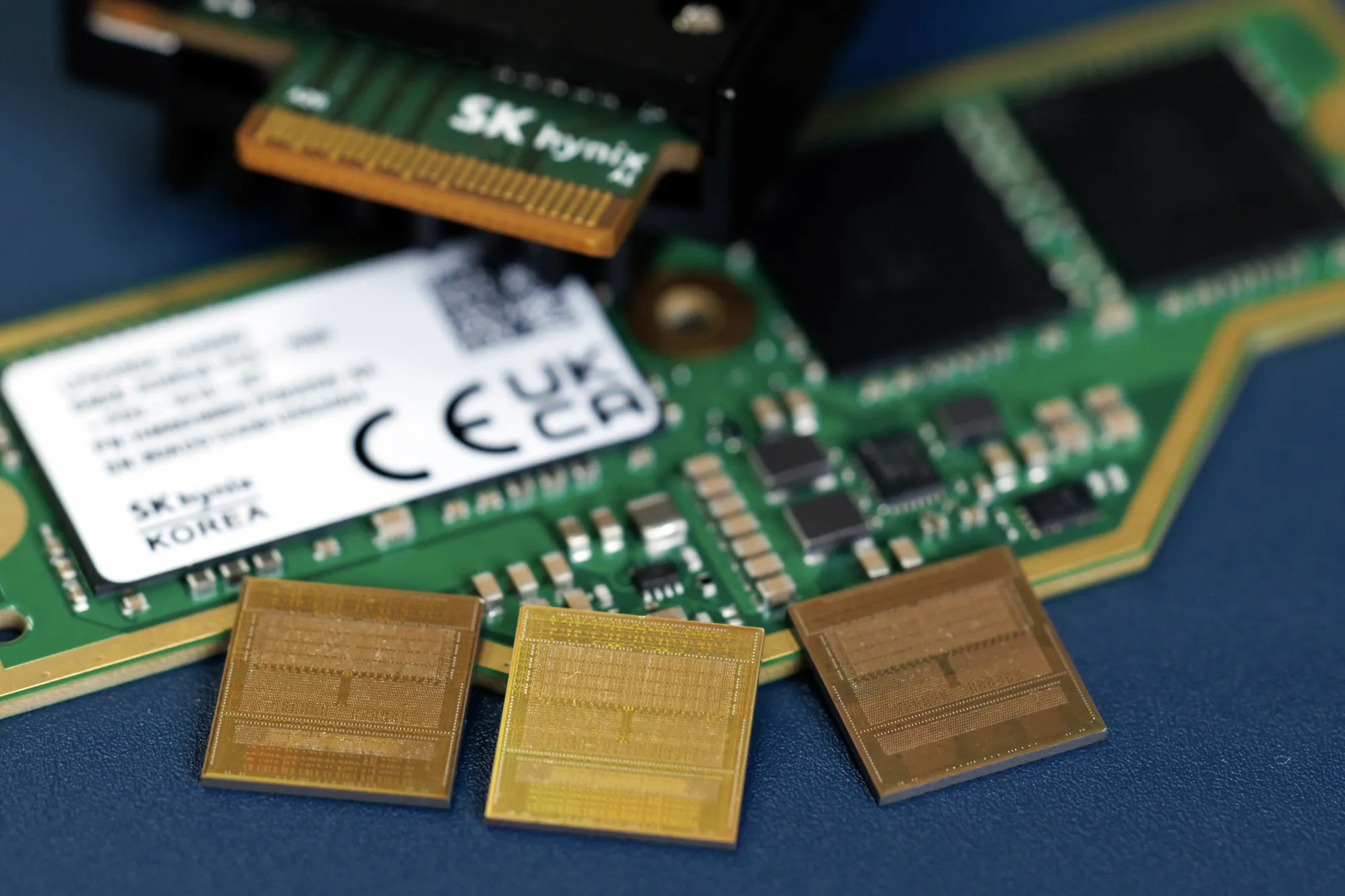
In early 2026, a severe global shortage of DRAM and related memory chips has emerged as one of the biggest challenges facing the consumer electronics industry. Driven primarily by explosive demand for High Bandwidth Memory (HBM) from AI data centers, manufacturers like Samsung, SK Hynix, and Micron are prioritizing high-margin AI components over standard DRAM used in smartphones, laptops, PCs, and gaming consoles. Reports from Bloomberg, TrendForce, and IDC highlight DRAM contract prices surging 90-95% quarter-over-quarter in Q1 2026 alone, the largest quarterly jump on record while overall supply growth lags far behind demand.
This structural shift, often dubbed the “memory supercycle” or “RAMmageddon,” is reshaping product pricing, launch timelines, and specifications. Major brands are facing tough choices: absorb costs, raise prices, downgrade specs, or delay releases. But is this crisis a necessary growing pain for the AI revolution, or a bad development that risks pricing everyday consumers out of essential technology? This analysis examines the causes, real-world impacts, advantages for the broader tech ecosystem, drawbacks for consumers, and the outlook ahead.
Also in Explained | Is OpenAI’s Hiring of OpenClaw Creator Peter Steinberger a Major Win for AI Agents?
The Context: AI’s Voracious Appetite for Advanced Memory
The root of the 2026 memory crisis lies in the rapid expansion of AI infrastructure. Hyperscalers and AI companies are securing massive volumes of HBM, a specialized, high-performance DRAM variant essential for training and running large models. TrendForce reports HBM demand growing 70%+ year-over-year in 2026, consuming up to 23% of total DRAM wafer output (up from 19% prior).
Conventional DRAM supply, meanwhile, is growing at just ~16% annually well below historical norms and insufficient for both AI and consumer needs. Major producers have shifted production lines to HBM for its higher profitability, creating a knock-on shortage for standard memory. Contracts are locked in through 2028, leaving consumer electronics firms competing for limited scraps.
Elon Musk has publicly described this as a “chip wall,” announcing Tesla’s multi-billion-dollar “TeraFab” semiconductor facility to produce logic chips, memory, and packaging in-house at scale potentially up to 1 million wafers monthly starting late 2026. This underscores how even large players are seeking vertical integration to escape dependency.
Why the Memory Chip Crisis Could Be a Net Positive for Technological Progress
While painful for consumers, the memory crunch offers compelling long-term benefits, particularly accelerating AI advancement and industry resilience.
- Fueling the AI Boom
Prioritizing HBM ensures faster development of next-generation models and data centers. This drives breakthroughs in generative AI, autonomous systems, and scientific computing, benefits that will eventually trickle down to consumer applications like smarter assistants and enhanced device features. - Higher Margins and Investment in Capacity
Surging prices provide record profits for memory giants (e.g., Samsung’s profits tripling), funding new fabs and R&D. Micron and others are expanding, with meaningful relief potentially by 2028 laying groundwork for abundant supply in the future. - Pushing Vertical Integration and Innovation
Companies like Tesla (via TeraFab) are motivated to build self-sufficiency, reducing future vulnerabilities. This could lead to more efficient, customized chips and lower long-term costs across industries, including EVs and robotics. - Forcing Efficiency in Consumer Design
Scarcity encourages optimized software and hardware, e.g.- better memory management in OSes or alternative architectures, potentially yielding more power-efficient devices. - Economic Signals for Balanced Growth
The crisis highlights AI’s resource intensity, prompting discussions on sustainable scaling and diversified supply chains, ultimately strengthening the global tech ecosystem.
These upsides frame the shortage as a temporary but necessary catalyst for innovation and infrastructure buildout.
The Severe Downsides for Consumers and Traditional Tech
The immediate impacts are overwhelmingly negative, hitting affordability, availability, and industry stability.
- Skyrocketing Prices Across Devices
Memory now comprises up to 30% of bill-of-materials costs (from ~10% previously). This translates to 15-30% higher retail prices for smartphones, laptops, and PCs, squeezing margins and consumer budgets especially in import-dependent markets like Sri Lanka. - Launch Delays and Spec Compromises
Sony is reportedly considering delaying PlayStation 6 to 2028 or 2029, disrupting the console cycle. Nintendo may hike Switch 2 prices by mid-2026, despite its recent launch. Entry-level devices risk RAM downgrades (e.g., 8GB standard instead of 16GB), reducing performance. - Broader Industry Strain
Analysts warn of potential bankruptcies or product line exits among smaller consumer electronics firms by late 2026. PC market shrinkage of ~5% and declining console sales add pressure, while automobiles and appliances face similar ripple effects. - Inequity and Delayed Upgrades
Higher costs discourage upgrades, prolonging use of older hardware and widening the digital divide. In emerging markets, this exacerbates access issues to modern technology. - Short-Term Relief Uncertainty
Tightness is expected through 2027, with no quick fixes, prolonging pain without guaranteed offsets from AI trickle-down benefits.
These cons make the crisis feel decidedly bad for everyday users and traditional consumer tech segments.
Painful Short-Term Trade-Off for Long-Term Gains
The 2026 memory chip crisis, fueled by AI’s dominance in HBM demand, represents a clear structural shift with mixed implications. On balance, it’s a challenging but arguably necessary phase: bad for consumer affordability and near-term innovation in gadgets, yet good for propelling AI forward and incentivizing resilient supply chains.
For Sri Lankan consumers and businesses, expect elevated import prices on electronics, potential delays in new models, and a shift toward repairs/upgrades of existing devices. Global relief may arrive by 2028 as new capacity comes online, but 2026-2027 will test patience.
Ultimately, this “supercycle” underscores AI’s transformative power and its costs. As companies like Tesla pursue self-reliance, the industry may emerge stronger, with more abundant, efficient memory enabling broader access down the line. For now, tech buyers face a tougher market, but the AI-driven future it enables could prove worth the wait.
Also in Explained | Can AI Accelerate Sri Lanka’s Digital Transformation?